Orionid Meteor Shower 2026 Cloud Cover Forecast: Regional Outlook Threatens Peak Viewing Across Premium Dark Sky Destinations
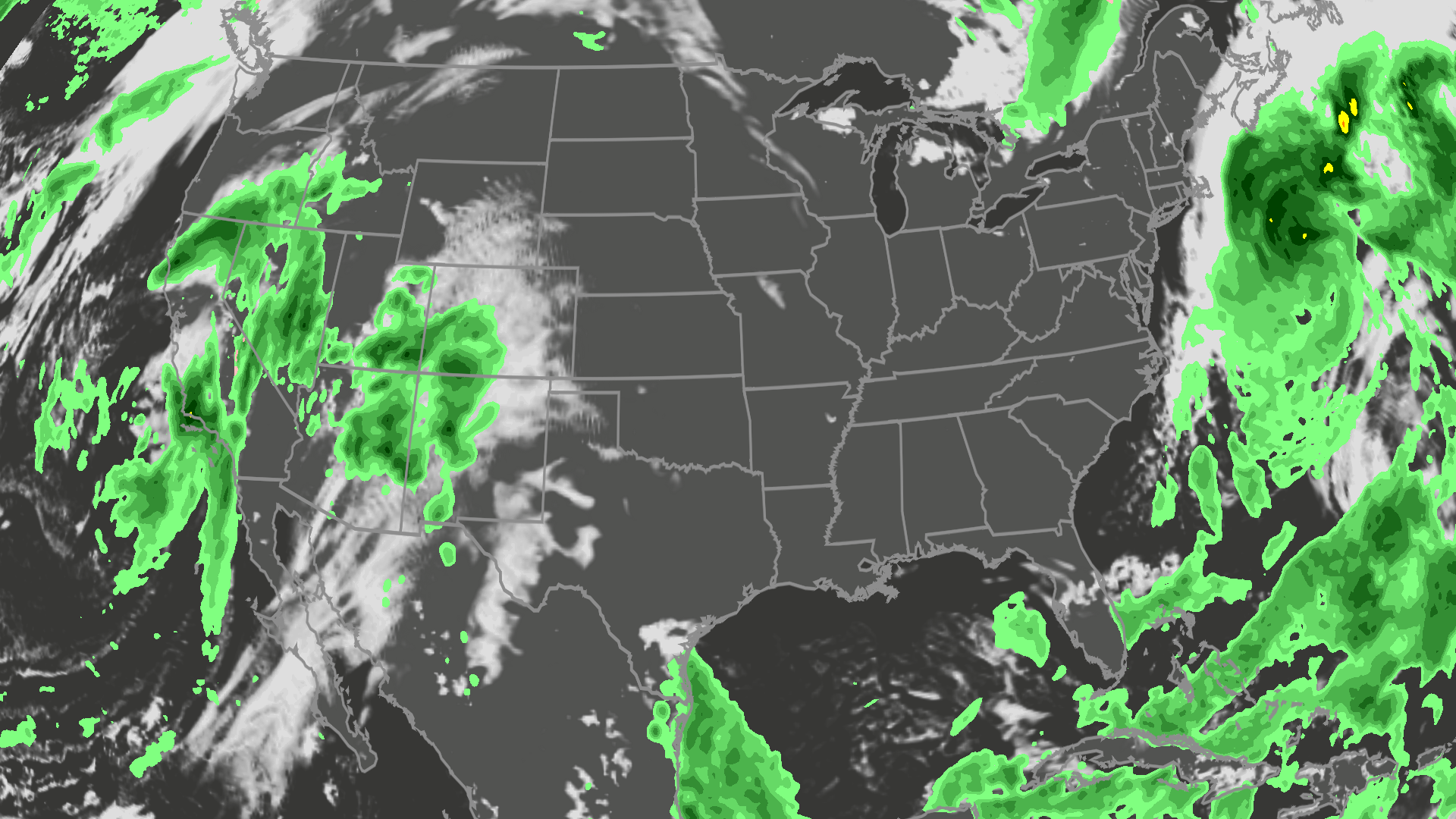
As astronomical enthusiasts and institutional astro-tourism operators prepare for the 2026 Orionid meteor shower—a premier celestial event generated by the passage of Earth through the debris trail left by Halley’s Comet—meteorological models are flashing warning signals. High-resolution satellite telemetry and atmospheric pressure analyses indicate that persistent, thicker cloud cover threatens to obscure viewing conditions across critical geographic corridors, most notably the high-elevation basins of the American Southwest.
For regional economies dependent on hospitality, capital allocation toward dark sky preservation, and high-yield eco-tourism, the incoming weather patterns introduce operational volatility. While celestial mechanics guarantee a consistent supply of meteors traveling at blistering velocities of roughly 66 kilometers per second, terrestrial cloud cover remains the ultimate bottleneck for asset visibility and stakeholder return on investment.
Executive Takeaways
- Regional Weather Disruption: Predictive atmospheric models project dense cloud layers over the Four Corners region, threatening to impair visibility at several premier dark sky parks during the 2026 peak.
- Economic and Sector Impact: High-end astrotourism lodges, local hospitality ventures, and regional infrastructure investments face localized revenue compression due to degraded sky-watcher turnout.
- Optimized Infrastructure Value: Facilities equipped with advanced meteorological risk mitigation, automated observatory systems, and enterprise-grade data streaming continue to capture viewer engagement regardless of local atmospheric opacity.
- Scientific Continuity: Despite atmospheric interference for terrestrial observers, global astronomical networks and orbital assets maintain uncompromised data capture, ensuring zero disruption to foundational research.
The convergence of rare astronomical phenomena and shifting weather patterns highlights the vulnerabilities inherent in weather-dependent enterprise models. As capital continues to flow into experiential travel and specialized dark sky real estate, stakeholders are increasingly forced to factor meteorological risk mitigation into their long-term strategic planning.
The Atmospheric Mechanics and Regional Forecast Breakdown
The Orionid meteor shower occurs annually during the autumn months, reaching its crescendo in late October as Earth intersects the vast debris stream shed by 1P/Halley. The resulting meteors are celebrated by astrophysicists and amateur astronomers alike for their luminous persistence and extreme velocity. However, maximizing the observational yield requires two non-negotiable variables: pristine dark skies devoid of anthropogenic light pollution, and a cloud-free atmospheric column.
For the 2026 event, predictive meteorological models compiled by leading weather bureaus highlight a stark regional dichotomy. While parts of the Pacific Northwest and the Eastern Seaboard experience favorable high-pressure ridges, the Four Corners region—comprising the intersection of Utah, Colorado, New Mexico, and Arizona—faces an encroaching upper-level trough. This system is forecast to pump moisture-laden Pacific air across the high plateaus, generating expansive stratiform and cumuliform cloud decks precisely during the optimal post-midnight viewing windows.
This development carries profound implications for designated International Dark Sky Parks within the affected zone, such as Natural Bridges National Monument, Chaco Culture National Historical Park, and Mesa Verde National Park. These locations have historically commanded premium valuation multiples in regional tourism indexes, leveraging their pristine nocturnal environments to attract high-net-worth travelers, professional photographers, and academic researchers.
| Region / Dark Sky Zone | Projected Cloud Cover (%) | Visibility Index | Economic / Tourism Risk |
|---|---|---|---|
| Four Corners Region (UT, CO, NM, AZ) | 65% – 85% | Poor to Marginal | High (Cancellations & Revenue Dip) |
| Northern Intermountain West | 30% – 45% | Moderate | Moderate (Flexible Itineraries) |
| Central Plains & Texas Panhandle | 10% – 25% | Excellent | Low (Surge in Last-Minute Bookings) |
| Appalachian Dark Sky Belt | 40% – 60% | Fair | Low-Moderate |
Industry & Market Implications: Winners, Losers, and Capital Allocation
The intersection of severe cloud cover forecasts and high-profile astronomical events triggers immediate ripples across the leisure, hospitality, and tech-enabled media sectors. Understanding the commercial landscape requires a dispassionate analysis of capital flows and operational resilience.
The Disadvantaged: Regional Hospitality and Localized Service Providers
Boutique hotels, luxury glamping operators, and guide services situated in the Four Corners footprint face immediate revenue compression. When cloud forecasts solidify into guaranteed overcast skies, cancellation rates spike among transient travelers whose itineraries are strictly optimized for celestial observation. Local businesses that project high-margin seasonal revenue spikes during peak meteor showers must absorb these transitory shocks, emphasizing the ongoing necessity for robust risk mitigation strategies and business interruption insurance.
The Beneficiaries: Virtual Observatories and Digital Media Infrastructure
Conversely, cloud interference over prime terrestrial real estate accelerates capital allocation toward digital alternative infrastructure. Global livestreaming networks, remote-controlled robotic observatories, and high-bandwidth cloud compute architecture providers capture an influx of displaced digital observers. Enterprises that stream high-definition astronomical feeds directly to consumer devices monetize the atmospheric obstruction of physical parks, converting localized weather volatility into global digital engagement metrics.
Furthermore, equipment manufacturers specializing in low-light digital sensors, specialized astrophotography filters, and portable tracking mounts experience a nuanced market response. While casual consumers may defer purchases, institutional and professional-grade buyers leverage advanced post-processing algorithms to extract data even through thin, translucent cirrus cloud layers.
Frequently Asked Questions (People Also Answered)
What causes the Orionid meteor shower, and why is 20th–22nd October critical?
The Orionid meteor shower is produced when Earth passes through the orbital path of Halley’s Comet, shedding particulate matter that burns up violently upon entering the upper atmosphere. The peak dates represent the densest concentration of this debris cloud, offering the highest spatial frequency of meteors per hour for terrestrial observers.
How does regional cloud cover impact official Dark Sky Park designations?
Cloud cover does not strip a location of its International Dark Sky status, as certification is fundamentally tied to the suppression of anthropogenic light pollution rather than real-time meteorological conditions. However, persistent cloud cover directly impacts the economic yield and educational throughput of these parks during high-profile celestial events.
Can high-altitude cloud layers be penetrated by consumer-grade telescopes or cameras?
Thick stratiform or cumuliform clouds completely block visual and optical light spectrums. However, thin cirrus layers or high-altitude haze can sometimes be partially mitigated by digital image stacking, specialized narrowband filters, and long-exposure sensors, though overall photon capture remains severely degraded.
What alternative regions benefit economically when prime western dark sky zones face weather anomalies?
When weather patterns obstruct western vistas, travelers frequently pivot toward secondary dark sky sanctuaries in the Southern Plains, the Texas Hill Country, or designated eastern preserves boasting favorable barometric pressure ridges, leading to localized surges in regional tourism yield.
Future Outlook: Strategic Horizons for Astrotourism and Atmospheric Monitoring
Looking past the immediate meteorological bottlenecks of the 2026 Orionid shower, the broader astrotourism sector is undergoing a structural maturation. Real estate developers, municipal planners, and hospitality conglomerates are no longer treating dark sky assets as passive, weather-dependent amenities. Instead, forward-thinking enterprises are integrating advanced meteorological forecasting tools, hyper-local Doppler radar arrays, and climate risk modeling into their infrastructure development plans.
As commercial space ventures expand and public interest in observational astronomy surges, the demand for resilient, high-visibility infrastructure will only intensify. Stakeholders who diversify their geographic asset portfolios, embrace digital streaming redundancies, and deploy sophisticated risk mitigation frameworks will successfully insulate themselves against the caprices of atmospheric turbulence, ensuring sustainable long-term returns in the burgeoning night-sky economy.