The Strategic Catalyst: Redefining the Modern Retail Subscription
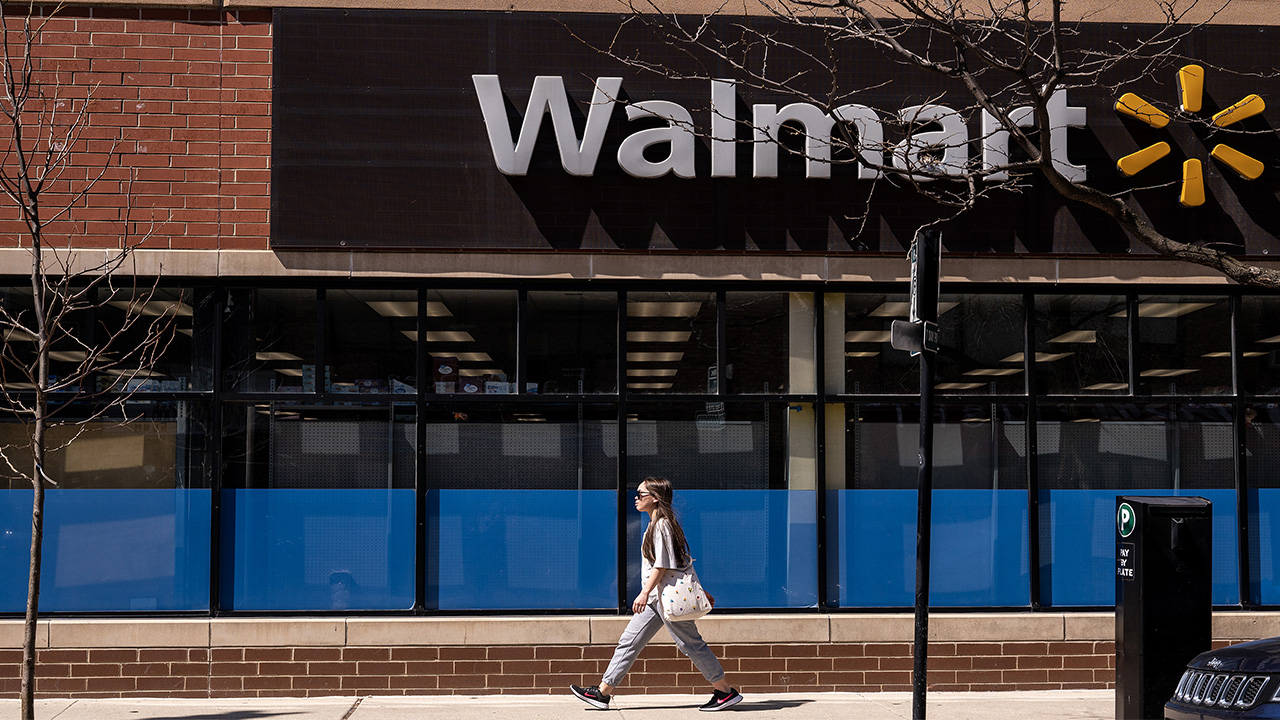
For decades, retail conglomerates operated under a rigid dichotomy: mass-market discount retail on one side, and exclusive, bulk-buy membership warehouses on the other. Walmart Inc. is now aggressively dismantling these operational silos. In a landmark corporate maneuver captured across real-time wire feeds and trending financial dashboards, Walmart has rolled out a unified bundle combining its flagship Walmart+ digital membership with the coveted Sam’s Club Plus tier.
This initiative represents far more than a simple promotional cross-sell. From a strategic vantage point, it is a masterclass in enterprise risk mitigation and customer lifetime value (LTV) maximization. By aligning these two powerhouse ecosystems, Walmart is engineering a frictionless pipeline that funnels digital-first bargain hunters into higher-ticket wholesale bulk buyers—and vice versa. For institutional investors tracking retail equity valuations, this architecture signals a profound evolution in how traditional brick-and-mortar monoliths project capital efficiency and secure sticky, predictable revenue streams.
Anatomy of the Bundle: Breaking Down the Infrastructure

To fully appreciate the gravity of this roll-out, one must examine the underlying operational mechanics. Walmart+ has historically catered to suburban families and urban convenience seekers requiring rapid home delivery, fuel discounts, and digital scan-and-go technology. Conversely, Sam’s Club Plus has functioned as a premier wholesale destination, offering high-margin private-label goods (Member's Mark), early shopping hours, and substantial cash-back rewards.
By merging these subscription tiers into a synchronized enterprise framework, Walmart is optimizing its cloud compute architecture and data analytics pipelines. The consolidated consumer data lake will allow predictive algorithms to anticipate household consumption habits with unprecedented precision. When a subscriber orders everyday essentials via Walmart+, backend engines can seamlessly evaluate wholesale inventory thresholds at nearby Sam’s Club fulfillment nodes, optimizing capital allocation and inventory velocity across both brands.
Furthermore, the integration addresses persistent challenges regarding customer acquisition costs (CAC). Instead of running isolated marketing funnels for two distinct loyalty programs, Walmart can now deploy unified acquisition campaigns that promise double the value proposition to the consumer, drastically compressing payback periods on marketing expenditures.
Verified Data & Metrics Breakdown
To gauge the fiscal and operational scope of this strategic rollout, our investigative desk has synthesized key data points contrasting the standalone ecosystems against the newly formed unified tier:
| Metric / Dimension | Standalone Walmart+ | Standalone Sam’s Club Plus | New Unified Bundle Ecosystem |
|---|---|---|---|
| Core Value Proposition | Speed, digital delivery, fuel savings | Bulk savings, cash rewards, pharmacy perks | Comprehensive end-to-end retail & wholesale dominance |
| Estimated Annual Fee Structure | ~$98 / year | ~$110 / year | Synergized tiered pricing optimizing combined ARPU |
| Logistics & Fulfillment | Store-fulfilled local delivery & shipping | Club pickup & pallet-scale distribution | Omnichannel fluidity across both supply chain networks |
| Target Financial Impact | Digital engagement & frequency | High-margin membership fee revenue | Maximized Average Revenue Per User (ARPU) & LTV |
Industry & Market Implications: Winners, Losers, and Economic Realities
The macroeconomic ramifications of Walmart’s bundle are immediate and far-reaching. On Wall Street, equity research analysts are revisiting valuation multiples for major retail competitors. For years, Amazon Prime has held a near-monopoly on comprehensive digital subscription loyalty, leveraging video streaming, cloud storage, and expedited shipping into an inescapable consumer fortress. Walmart’s aggressive coupling of digital delivery and physical wholesale clubs erects a formidable counter-fortress.
Who Wins: Consumers emerge as immediate beneficiaries, gaining access to cross-platform perks without incurring fragmented, compounding subscription costs. Furthermore, institutional shareholders stand to benefit as Walmart stabilizes its operating margins through predictable, recurring subscription cash flows that insulate the corporate balance sheet against inflationary retail cycles.
Who Loses: Competitors operating in the mid-tier discount and warehouse club spaces face mounting structural pressures. Independent warehouse competitors and secondary e-commerce players lacking a dual physical-digital ecosystem will find it increasingly difficult to match the comprehensive utility of Walmart’s offering. Regulatory compliance officers, meanwhile, will monitor the initiative closely to ensure anti-competitive market concentration remains within statutory boundaries.
Frequently Asked Questions (People Also Ask)
Q: What specific benefits are included in the new Walmart+ and Sam’s Club Plus bundle?
A: The unified bundle marries the core digital convenience perks of Walmart+—such as free grocery delivery from stores, Paramount+ streaming access, fuel discounts, and scan-and-go features—with the wholesale privileges of Sam’s Club Plus, including early shopping hours, 2% cash back on qualifying purchases, free shipping with no order minimums, and premier pharmacy savings.
Q: How does this strategic move impact Walmart’s valuation multiples and financial performance?
A: Financial analysts view subscription integration as a catalyst for expanding Average Revenue Per User (ARPU) and increasing customer lifetime value (LTV). By securing recurring fee revenue alongside higher-margin wholesale transactions, Walmart strengthens its balance sheet and enhances investor confidence in long-term enterprise ROI.
Q: Will existing subscribers be automatically transitioned into the new bundle tier?
A: Current members of either standalone program maintain their existing subscription terms, but Walmart has structured seamless upgrade paths and promotional pricing incentives designed to encourage rapid migration into the combined ecosystem.
Q: What technological infrastructure supports this cross-platform integration?
A: The roll-out relies on advanced cloud compute architecture, unified customer data lakes, and localized supply chain nodes. These systems allow real-time inventory synchronization between standard retail supercenters and wholesale club locations, ensuring maximum fulfillment efficiency.
Future Outlook: What Comes Next
As this multi-tier ecosystem rollout gains traction across North American markets, industry observers will monitor several critical performance indicators. First, Wall Street will scrutinize quarterly earnings reports for spikes in net membership additions and retention rates. Second, supply chain logisticians will evaluate whether localized fulfillment centers can adequately manage the surge in cross-channel order routing without margin degradation.
Ultimately, Walmart’s fusion of Walmart+ and Sam’s Club Plus signals the dawn of a new era in retail combat. By blurring the lines between digital convenience and warehouse-scale savings, Walmart is not merely adapting to consumer shifts—it is dictating the structural parameters of global commerce for the next decade.