Executive Takeaways
- Optimal Viewing Window: The Orionid meteor shower reaches its zenith during the dark pre-dawn hours, rewarding early risers with up to 20 meteors per hour.
- Celestial Origin: The debris field originates from Halley’s Comet (1P/Halley), intersecting Earth’s orbit annually in October.
- Commercial Space Catalyst: Public interest in astronomical events continues to drive capital allocation toward astrotourism, premium optical hardware, and private space infrastructure.
- Observational Strategy: Success relies on dark-sky mitigation, minimal light pollution, and uninhibited atmospheric conditions rather than specialized telescopic equipment.
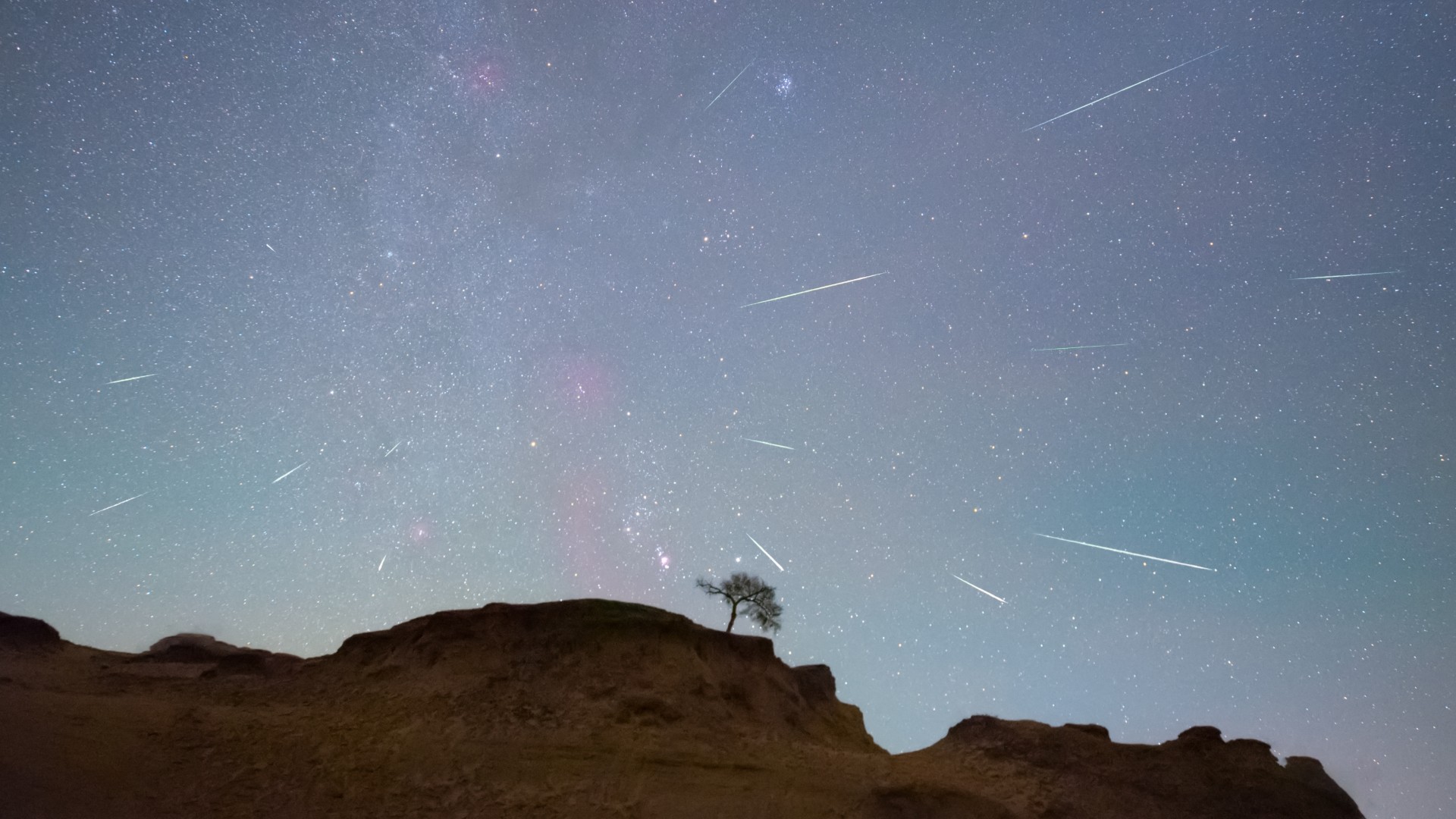
As autumn nights lengthen across the Northern and Southern Hemispheres, skywatchers and amateur astronomers prepare for one of the celestial calendar’s most anticipated events: the Orionid meteor shower. Driven by heightened public interest and trending spikes across global search engines, the annual phenomenon offers a dazzling display of cosmic debris colliding with Earth's upper atmosphere. However, according to astronomical data and atmospheric analysts, strategy dictates success. Early risers—those willing to brave the hours between midnight and dawn—will secure the absolute best chance to witness the peak performance of Halley's Comet legacy.
Beyond the undeniable public fascination, astronomical spectacles of this magnitude serve as a barometer for broader economic trends. The burgeoning astrotourism sector, high-end optical equipment manufacturing, and commercial space infrastructure development all experience indirect valuation lifts during peak stargazing cycles. For institutional investors, hedge fund analysts, and industry executives monitoring consumer discretionary spending in experiential travel, understanding the mechanics of celestial events provides valuable insight into niche market liquidity and consumer sentiment.
The Celestial Mechanics Behind the Orionid Display
To understand why the early morning hours present the optimal viewing window, one must examine the orbital mechanics of the Orionids. The shower is not an isolated interstellar anomaly; rather, it is the terrestrial passage through a debris trail left behind by 1P/Halley, universally recognized as Halley’s Comet. As the Earth orbits the sun each year, it intersects this vast stream of cosmic particulate, which burns up upon entering the thermosphere at speeds exceeding 148,000 miles per hour.
This extreme velocity makes the Orionids among the fastest meteor showers of the year. The high-speed impacts produce persistent trains—glowing ionized gas trails that linger in the wake of the burning meteoroid for several seconds. These rapid-fire streaks of light require precise timing from observers. Because the radiant point—located in the constellation Orion—does not rise above the eastern horizon until late evening, viewing conditions improve exponentially as the night progresses toward the pre-dawn hours.
During the hours immediately preceding sunrise, the Earth's rotation rotates the observer directly into the oncoming path of the debris stream. This dynamic mirrors driving a vehicle through a heavy snowfall; the windshield catches significantly more flakes than the rear window. Consequently, the zenith of the shower consistently occurs just before dawn breaks, rewarding early birds with maximum hourly rates.
Data and Metrics: Analyzing the 2024–2025 Orionid Cycle

A rigorous evaluation of astronomical events requires empirical assessment. The following data breakdown provides key specifications, timelines, and observational metrics for institutional and consumer reference:
| Metric Parameter | Astronomical Specification | Observational Impact |
|---|---|---|
| Parent Body | 1P/Halley (Halley’s Comet) | Ensures high-velocity, bright meteor streaks with persistent trains. |
| Peak Velocity | ~66 km/s (148,000 mph) | Produces rapid combustion, requiring sharp focus and wide-field vision. |
| Zenith Rate (ZHR) | 10 to 20 meteors per hour | Requires dark-sky conditions and patience for optimal viewing yields. |
| Optimal Viewing Time | 12:00 AM to Dawn (Local Time) | Maximizes exposure as Earth rotates into the direct path of debris. |
| Radiant Constellation | Orion (near Gemini border) | Serves as the directional anchor; however, viewing slightly away from the radiant yields longer trails. |
Industry & Market Implications: The Economics of Stargazing
While millions of individuals step outside to gaze at the autumn sky purely for recreation, the commercial ecosystem supporting amateur astronomy and astrotourism represents a rapidly expanding segment of the global experiential economy. Market liquidity in high-end optical equipment—including binoculars, specialized DSLR camera lenses, and portable star-tracking mounts—experiences measurable surges during peak astronomical quarters.
Furthermore, remote hospitality venues, dark-sky reserves, and eco-lodges report increased occupancy rates driven by consumers seeking environments devoid of urban light pollution. This trend aligns with broader shifts in capital allocation toward experiential travel and wellness tourism. Real estate developers and hospitality groups operating in rural or designated dark-sky zones leverage these natural phenomena to drive off-season bookings, optimizing revenue management models.
At the macro level, heightened public engagement with astronomy serves as a vital pipeline for STEM education and long-term interest in aerospace engineering, satellite infrastructure, and commercial space exploration. When public curiosity is captured by events like the Orionid meteor shower, downstream investments in aerospace technology, orbital research, and public-private space initiatives receive renewed cultural and political validation.
Frequently Asked Questions (People Also Ask)
When is the absolute best time to watch the Orionid meteor shower?
The optimal viewing window is during the pre-dawn hours—typically between midnight and 5:00 AM local time—on the nights of peak activity. During this window, your specific location on Earth is turned directly into the stream of comet debris, yielding the highest frequency of meteors per hour.
Do I need a telescope or binoculars to see the meteors?
No. Specialized optical equipment such as telescopes or binoculars is actually counterproductive for meteor showers. Telescopes narrow your field of view significantly, whereas meteors streak unpredictably across wide expanses of the sky. The naked eye provides the widest possible viewing angle.
Where should I look in the sky to spot an Orionid?
While the meteors appear to radiate from the constellation Orion, you should not look directly at the constellation itself. Staring slightly away from the radiant point—roughly 45 to 60 degrees away—will allow you to spot meteors with longer, more prominent tails.
What are the primary factors that ruin meteor shower visibility?
The two biggest deterrents to successful stargazing are light pollution (artificial urban lighting) and lunar illumination (a bright moon). Checking local weather forecasts for cloud cover and seeking out certified dark-sky locations will drastically improve your observational success rate.
Future Outlook and Strategic Milestones
As consumer demand for immersive, natural experiences continues to scale, astronomical tourism is poised for sustained structural growth. Municipalities and regional planning boards are increasingly investing in dark-sky preservation ordinances to protect nocturnal environments from runaway light pollution, transforming rural geography into high-value ecological assets.
For investors, technologists, and enthusiasts alike, the annual recurrence of events like the Orionid meteor shower underscores the intersection of natural wonder and economic opportunity. Monitoring consumer adoption of portable observation technology, travel patterns toward dark-sky destinations, and public engagement metrics will remain essential for anticipating shifts in experiential market trends in the quarters ahead.