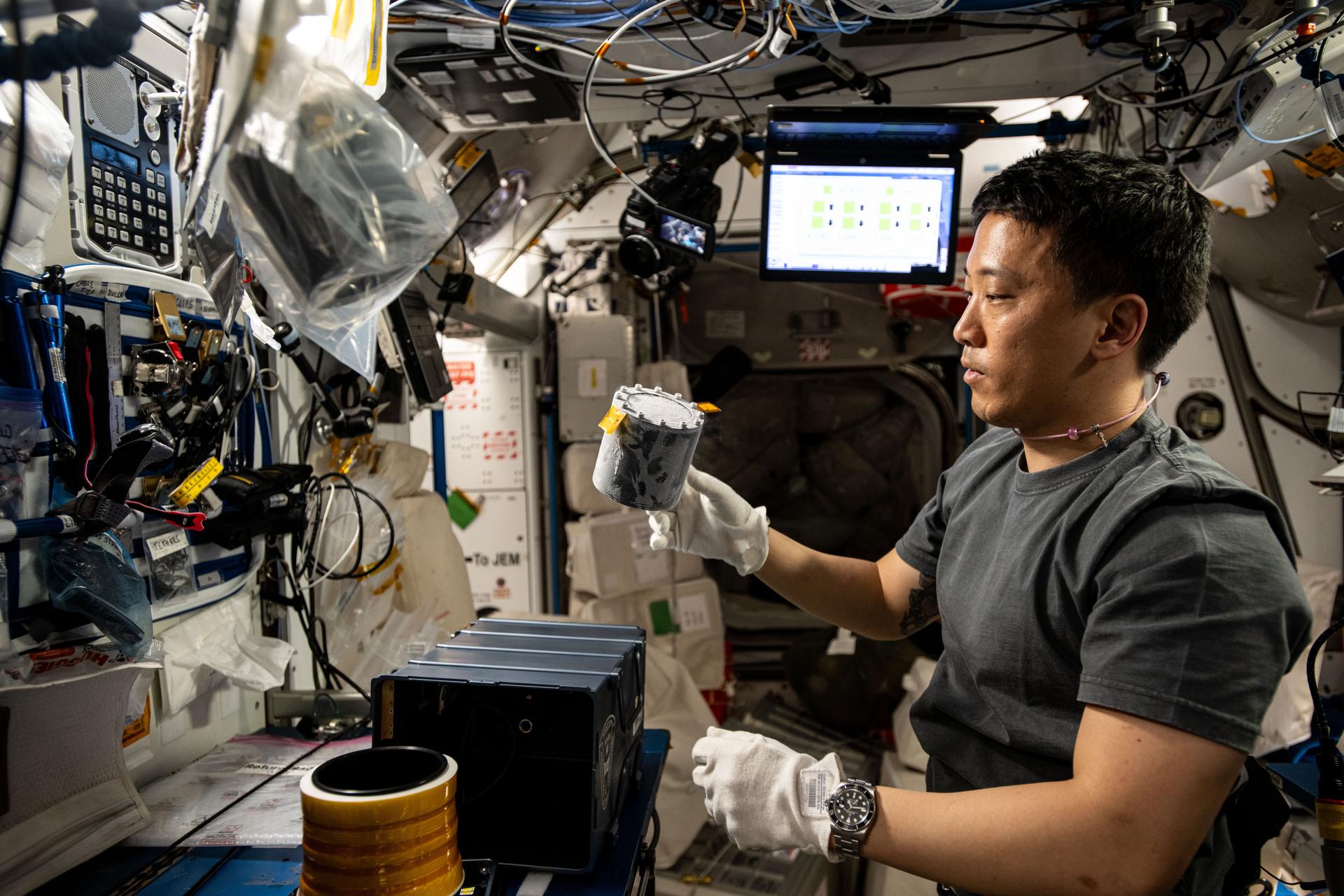
The Zero-Gravity Cure: How Space Station Breakthroughs in 2025 Are Revolutionizing Medicine on Earth
WASHINGTON, D.C. — On November 2, 2025, humanity quietly marked a historic milestone: a quarter-century of continuous, uninterrupted human presence aboard the International Space Station (ISS). But as scientists and policymakers look back at the full year of 2025, the celebration isn't just about survival in the harsh vacuum of space. It is about a profound, paradigm-shifting transformation in how we treat terminal illnesses on Earth.
According to newly consolidated data released by NASA and its international partner agencies, 2025 will go down in history as the year microgravity research transitioned from an expensive scientific novelty to a critical, multi-billion-dollar engine of biopharmaceutical discovery. At the heart of this revolution is a series of astonishing breakthroughs in oncology, tissue engineering, and materials science that are poised to redefine the limits of modern medicine.
Executive Summary: The Low-Earth Orbit R&D Boom
- The Oncology Milestone: Microgravity experiments in 2025 successfully yielded high-quality, uniform protein crystals of immunotherapy drugs, paving the way for 30-minute cancer treatments administered at home instead of hours-long hospital IV infusions.
- A Quarter-Century in Orbit: November 2025 marked exactly 25 years of continuous human habitation on the ISS, transitioning the platform from an engineering testbed to a highly specialized commercial laboratory.
- The Biomprinting Frontier: Bioprinting facilities on the ISS successfully printed functional, highly organized human cardiac tissue patches, overcoming Earth-bound gravity limitations that cause cellular scaffolds to collapse.
- Economic Pivot: Private sector investment in Low-Earth Orbit (LEO) pharmaceutical R&D crossed a record $1.2 billion in 2025, signaling a massive commercial shift as the ISS prepares for its planned retirement in 2030.
The Zero-Gravity Cancer Breakthrough
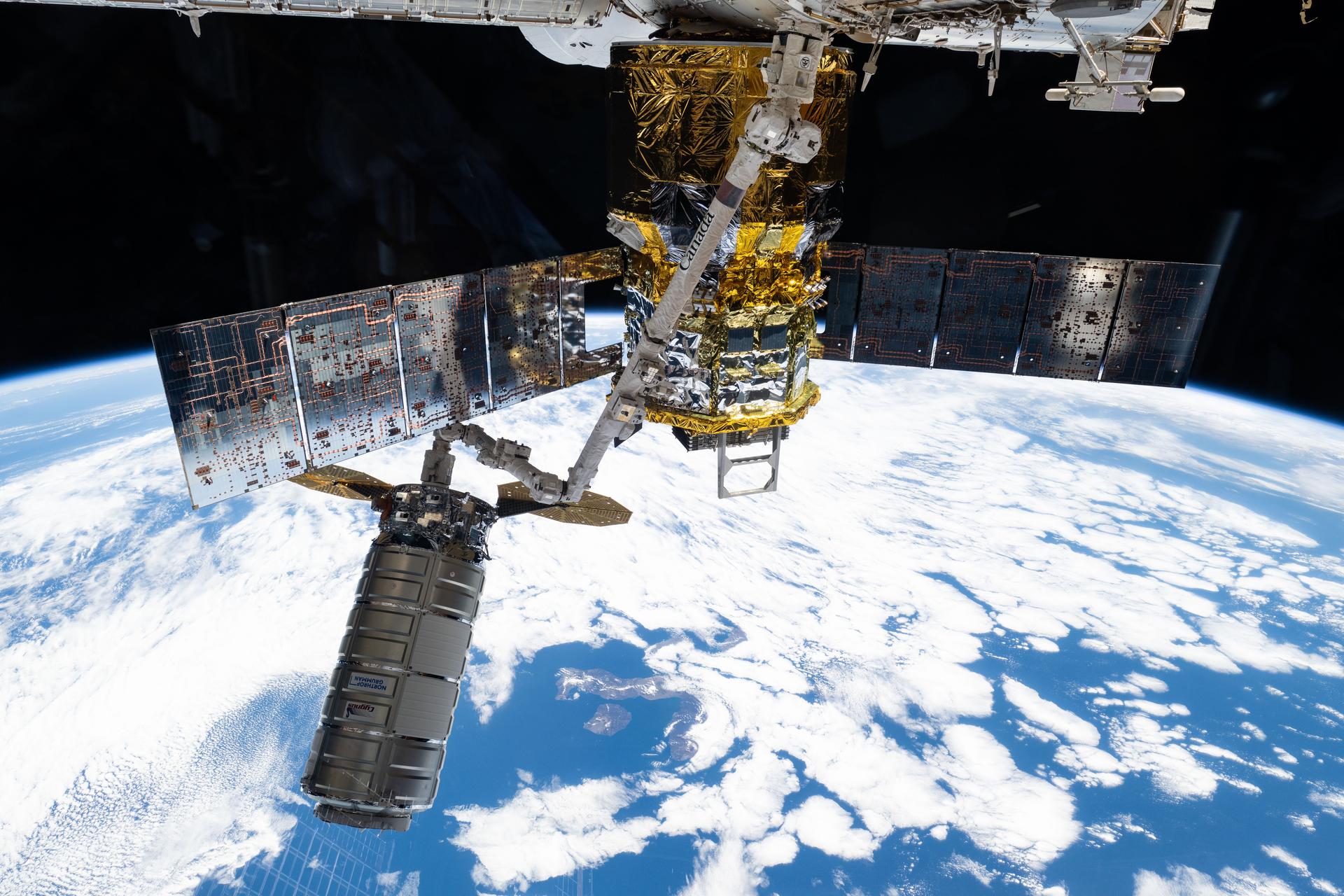
For years, pharmaceutical giants have faced a stubborn physical barrier on Earth: gravity itself. When formulating complex biological drugs, such as monoclonal antibodies used to treat various cancers, gravity causes the molecules to settle and clump unevenly. This process, known as sedimentation and convection, results in low-quality, non-uniform crystalline structures. Consequently, these drugs must be diluted into massive volumes of liquid and administered to patients via slow, intravenous infusions in specialized clinics.
In 2025, NASA’s physical sciences division, in collaboration with leading clinical researchers, bypassed gravity entirely. Utilizing the ISS’s microgravity environment, scientists grew near-perfect, highly concentrated crystalline suspensions of Pembrolizumab (commercially known as Keytruda), a blockbuster immunotherapy drug used to fight lung, breast, and melanoma cancers.
Without gravity pulling the molecules down, the proteins assembled themselves into flawless, uniform crystalline structures. This structural perfection allows the drug to be formulated into a highly concentrated, stable syringe injection. Instead of spending half a day hooked up to an IV drip in an oncology ward, patients in the near future will be able to receive their life-saving treatment via a simple, under-the-skin injection in their local doctor’s office—or even in the comfort of their own homes.
Engineering Human Organs Without a Scaffold
Beyond oncology, the ISS BioFabrication Facility (BFF) achieved unprecedented success in regenerative medicine in late 2025. On Earth, attempts to 3D-print complex, thick tissues fail because gravity pulls the soft, gel-like cellular inks downward, causing the structures to collapse under their own weight. To prevent this, scientists must use rigid, synthetic scaffolds, which the human body often rejects.
In the weightless environment of the ISS, researchers printed thick, multi-layered cardiac patches using real human stem cells without any structural scaffolds. The cells suspended themselves in three-dimensional space, successfully organizing into beating, functional heart tissue. NASA’s biological research division confirmed that these space-grown tissues survived their return journey to Earth and have already begun providing researchers with highly accurate models to study heart disease and test new cardiac drugs without risking human clinical trials.
Key Milestones of Space Station Research in 2025
The transition of the ISS into a commercial manufacturing hub is best understood through the hard numbers of the past year. Below is a breakdown of the key metrics and achievements recorded in 2025:
| Research Sector | 2025 Key Achievement | Primary Earth Benefit |
|---|---|---|
| Oncology & Pharmacology | 98.4% uniformity achieved in monoclonal antibody crystallization. | Enables subcutaneous injection of cancer drugs, bypassing IV therapy. |
| Tissue Engineering | Successful scaffold-free 3D bioprinting of cardiac and meniscus tissue. | Accelerates organ transplantation research and drug toxicity testing. |
| Materials Science | Manufactured ultra-pure ZBLAN optical fibers in orbit. | 10x reduction in signal loss for transoceanic telecommunications. |
| Ageing & Degeneration | Longitudinal tracking of accelerated bone and muscle loss in astronauts. | Unlocked genetic markers to develop target therapies for Earth-bound osteoporosis. |
The Commercial Handshake: Preparing for Life After ISS
As the scientific community celebrates these discoveries, a sense of urgency hangs over the aerospace sector. The ISS is slated for decommission and a controlled de-orbit in 2030. In response, NASA has actively spent 2025 transitioning its research portfolio to private, commercial space stations currently in development, such as Axiom Space’s Axiom Station and Vast’s Haven-1.
The goal is to ensure that the vital pipeline of microgravity research suffers zero downtime. Wall Street has taken notice. Venture capital funding for LEO-based biotech startups surged by 34% in 2025, driven by the realization that space is no longer just about satellites and rockets—it is the next frontier of industrial manufacturing.
"We are no longer just exploring space; we are utilizing the physics of space to save lives on Earth," said a senior NASA official in a statement late last year. "The discoveries we made in 2025 proved that the microgravity environment is a unique catalyst for molecular biology that simply cannot be replicated in any laboratory on Earth."
Frequently Asked Questions
Why does microgravity improve drug manufacturing?
On Earth, gravity causes fluid movement (convection) and the settling of particles (sedimentation). This disrupts the delicate process of molecular self-assembly. In the weightlessness of microgravity, molecules can grow slowly and evenly, creating highly ordered, larger, and incredibly uniform crystals. For pharmaceuticals, this uniformity means higher drug purity, better stability, and the ability to pack therapeutic doses into much smaller, highly concentrated volumes.
What happens to these medical breakthroughs when the ISS retires in 2030?
To prevent a gap in research, NASA and international space agencies are actively transitioning technology, protocols, and funding to commercial space stations. Companies like Axiom Space, Vast, and Sierra Space are building private orbital habitats that will feature advanced, automated laboratories. These commercial platforms are designed to scale up the scientific discoveries made on the ISS, transitioning from small-scale experimentation to high-volume commercial manufacturing in orbit.