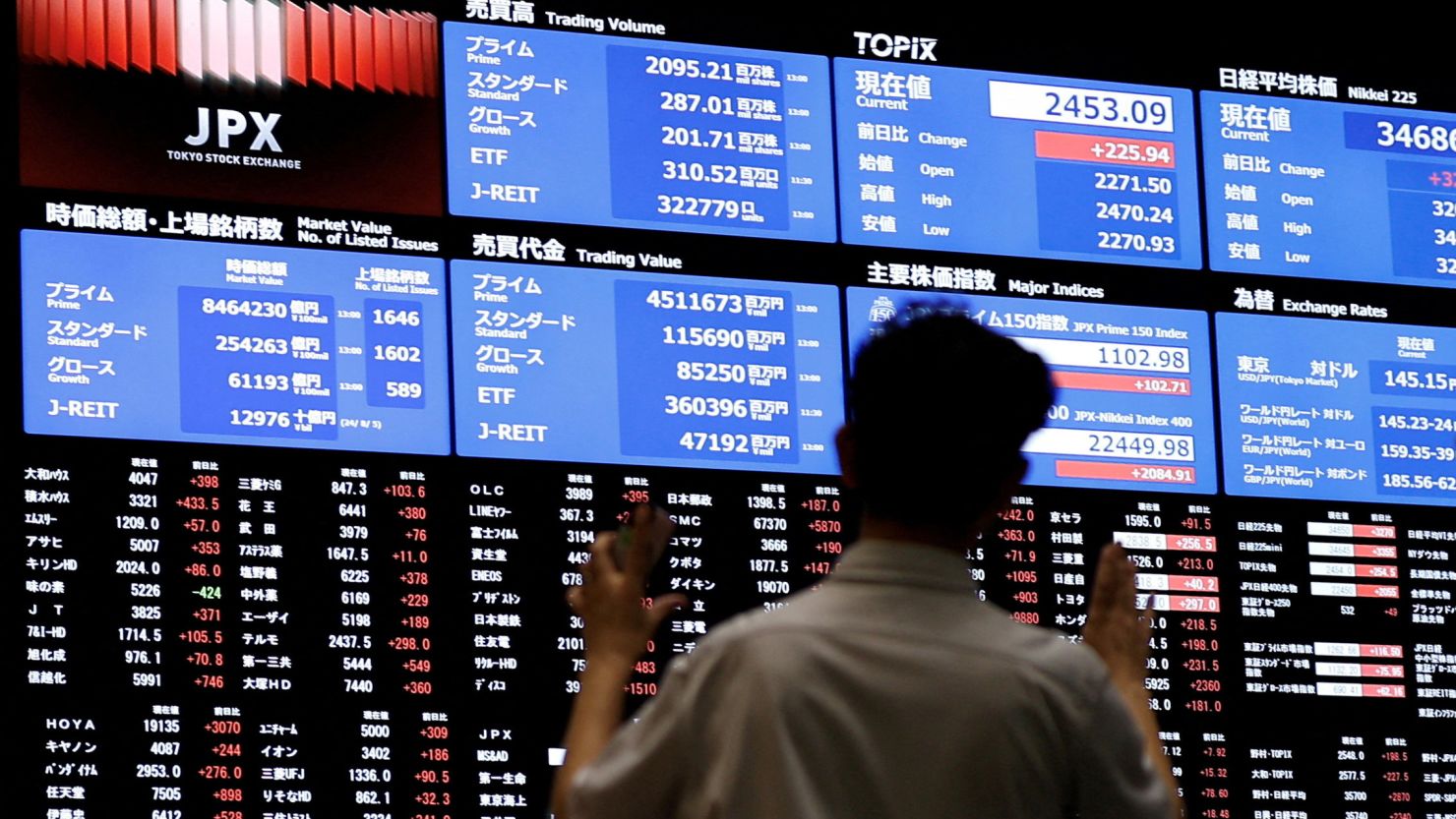
As the dust settles on a high-stakes U.S. presidential election, global financial architecture is experiencing a violent recalibration. Asian stock futures point to a decisive upward trajectory, buoyed by reduced political uncertainty and aggressive corporate capital allocation strategies, even as international crude oil benchmarks tumble. Institutional desks from Tokyo to Singapore are aggressively repricing risk, balancing the implications of impending fiscal policies, shifting valuation multiples, and structural adjustments in cross-border trade. For institutional investors, private equity syndicates, and corporate treasurers, this market wrap unpacks the mechanics driving the post-vote rally, the severe supply-demand pressures weighing down energy complexes, and the comprehensive macroeconomic outlook for the remainder of the fiscal year.
Executive Takeaways
Test Our Free AI & Tech Utilities Suite
Calculate LLM API token costs, analyze article dwell-time, or simulate tech DCA returns.
- Equities Surge on Clarity: Asian benchmark indices are poised for robust gains as the removal of U.S. election binary risk unleashes pent-up market liquidity and encourages renewed risk-on sentiment.
- Energy Market Liquidation: Crude oil futures experienced sharp downward pressure, driven by expectations of expanded domestic U.S. energy production, macroeconomic demand concerns, and recalibrated geopolitical risk premiums.
- Strategic Capital Allocation: Institutional portfolios are rapidly rotating away from defensive hedges toward high-beta technology, export-oriented industrials, and sectors positioned to benefit from anticipated regulatory relief.
- Macroeconomic Volatility & Risk Mitigation: Despite immediate equity gains, treasury yields and foreign exchange dynamics demand stringent risk mitigation protocols as central banks navigate shifting inflationary pressures.
The Catalytic Shift: Decoding the Post-Election Market Re-Pricing

Elections in the world's largest economy invariably send seismic shockwaves through global financial ecosystems, but the convergence of this year's U.S. vote with existing monetary policy pivots has created a unique market environment. For months, institutional asset managers maintained defensive postures, prioritizing high-yield fixed income, cash equivalents, and low-beta equities to hedge against binary political outcomes. With the electoral outcome established, the immediate unwind of these hedges has unleashed substantial market liquidity, driving a surge in buying activity across Asian exchanges.
The primary driver behind the Asian equity rally is the restoration of forward visibility. Corporate boards and institutional allocators can now model long-term capital expenditure, supply chain adjustments, and cross-border investments without the immediate threat of sudden trade policy disruptions. Consequently, valuation multiples—particularly across export-heavy manufacturing hubs in South Korea, Taiwan, and Japan—are experiencing a technical expansion. However, this bullish equity sentiment stands in stark contrast to the aggressive sell-off observed in the commodities complex, particularly in global crude oil markets.
Crude Oil’s Bearish Retracement: Supply Dynamics and Geopolitical Realities
The sharp contraction in oil prices following the election underscores a fundamental shift in energy market expectations. Brent crude and WTI futures both retreated as traders priced in a prospective expansion of U.S. domestic fossil fuel production under the incoming administration, encapsulated by the "drill, baby, drill" regulatory philosophy. This policy stance is widely anticipated to accelerate domestic extraction permits, loosen federal leasing restrictions, and increase overall global supply.
Simultaneously, broader macroeconomic indicators have injected demand-side anxiety into the energy equation. Slowing industrial activity in major Asian economies, coupled with uneven post-pandemic consumption patterns in the West, has left physical crude markets adequately supplied. Geopolitical risk premiums—which historically add a multi-dollar buffer to per-barrel prices—have compressed as markets anticipate renewed diplomatic pushes in key producing regions. For energy-importing nations across Asia, this downward slide in oil prices acts as a structural tax cut, easing inflationary pressures on corporate cost structures and bolstering consumer purchasing power.
| Market Segment | Pre-Election Trend | Post-Election Action | Key Macro Driver |
|---|---|---|---|
| Asian Equity Futures | Range-bound / Defensive | Sharp Upward Rally | Removal of binary risk, liquidity deployment |
| Crude Oil (WTI/Brent) | Volatile / Risk-Premium Supported | Significant Slide | U.S. supply expansion outlook, easing geopolitical tension |
| U.S. Treasury Yields | Elevated / Yield Curve Steepening | Consolidating Higher | Fiscal deficit concerns, growth expectations |
| Asian FX (Regional Currencies) | Depreciating vs. USD | Mixed / Selective Recovery | Dollar index fluctuations, local interest rate differentials |
Industry & Market Implications: Winners, Losers, and Economic Transmission
The bifurcation between rising equities and falling oil prices creates distinct sectoral winners and losers across global markets. Understanding these transmission channels is vital for portfolio managers seeking to optimize asset allocation and execute precise risk mitigation strategies.
The Winners
Aviation, Logistics, and Transportation: Lower jet fuel and bunker fuel costs provide an immediate, bottom-line boost to airlines and container shipping giants operating out of regional hubs like Hong Kong and Singapore. Operating margins are expanding as input costs drop.
Consumer Discretionary & Retail: With energy prices sliding, retail consumers face lower utility and fuel bills, translating into higher discretionary spending capacity across metropolitan Asian markets.
Technology and Semiconductor Manufacturers: Benefiting from reduced macroeconomic uncertainty, supply chain stability, and renewed enterprise IT spending, high-growth semiconductor ecosystems in South Korea and Taiwan are seeing aggressive institutional accumulation.
The Losers
Upstream Energy Producers: Independent exploration and production (E&P) firms, alongside state-backed national oil companies in emerging markets, face compressed cash flows and lower earnings per share (EPS) as lower commodity prices bite into revenue.
Alternative Energy Developers: Traditional fossil fuel deflation can temporarily damp relative valuation multiples for clean tech, green hydrogen, and electric vehicle supply chains, as traditional energy becomes temporarily more cost-competitive.
People Also Ask (Frequently Asked Questions)
Why are Asian stocks rising despite falling global oil prices?
While falling oil prices can sometimes signal global economic contraction, the current market reaction is primarily driven by the removal of U.S. election uncertainty and the direct benefit of lower energy input costs for Asian importing nations. The reduction in geopolitical risk premiums and a return of risk-on liquidity have outweighed the demand-side concerns typically associated with cheaper crude.
How does the U.S. election impact crude oil supply and pricing dynamics?
U.S. presidential administrations heavily influence domestic energy policies through federal leasing permissions, environmental regulations, and infrastructure approvals. A pro-fossil fuel administration typically signals higher future domestic output, which increases global supply expectations, exerts downward pressure on WTI and Brent benchmarks, and alters OPEC+ production strategy calculations.
What are the primary risk mitigation strategies for institutional portfolios in this environment?
Institutional investors are currently utilizing dynamic hedging strategies, including interest rate swaps to manage Treasury yield volatility, sector rotation into cash-flow-positive large-cap equities, and tactical currency overlays to protect against foreign exchange fluctuations driven by shifting capital flows.
Which sectors offer the best enterprise ROI following post-election market shifts?
Sectors benefiting from structural deregulation, reduced input costs (such as logistics and manufacturing), and robust enterprise technology adoption—specifically cloud compute infrastructure, AI-driven automation, and advanced semiconductor fabrication—are currently demonstrating superior capital efficiency and attractive valuation multiples.
Future Outlook and Strategic Milestones to Watch
Looking ahead, market participants must maintain a high degree of agility as the secondary and tertiary effects of the U.S. election materialize in legislative actions and central bank policy meetings. Key milestones over the next two quarters will dictate the longevity of the current equity rally and the stabilization floor for crude oil.
First, market strategists are closely monitoring Federal Reserve and regional central bank statements for signals regarding terminal interest rates and quantitative tightening trajectories. Stubborn inflation prints or fiscal deficit expansions could rapidly push bond yields higher, introducing headwinds for equity valuation multiples. Second, upcoming OPEC+ production quota meetings will serve as a critical battleground for oil pricing; any coordinated supply curtailments could swiftly reverse the recent crude liquidation.
Ultimately, while the immediate market wrap highlights a buoyant Asian equity landscape and a deflating energy complex, structural volatility remains the dominant macroeconomic theme. Enterprise leaders, institutional asset managers, and sovereign wealth funds must continuously recalibrate their operational frameworks, ensuring robust infrastructure scalability, strict regulatory compliance, and proactive risk management to navigate the evolving global economic landscape successfully.