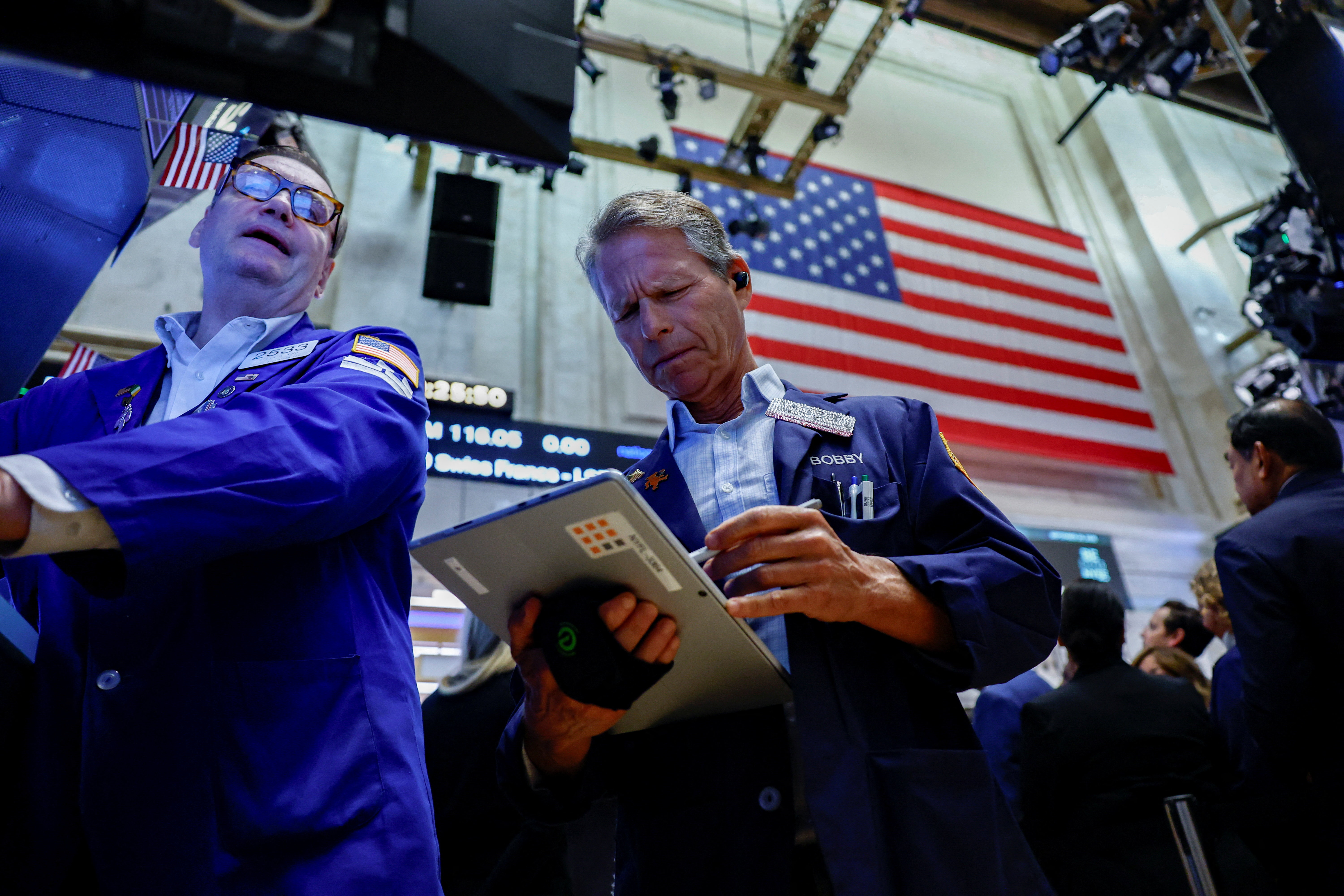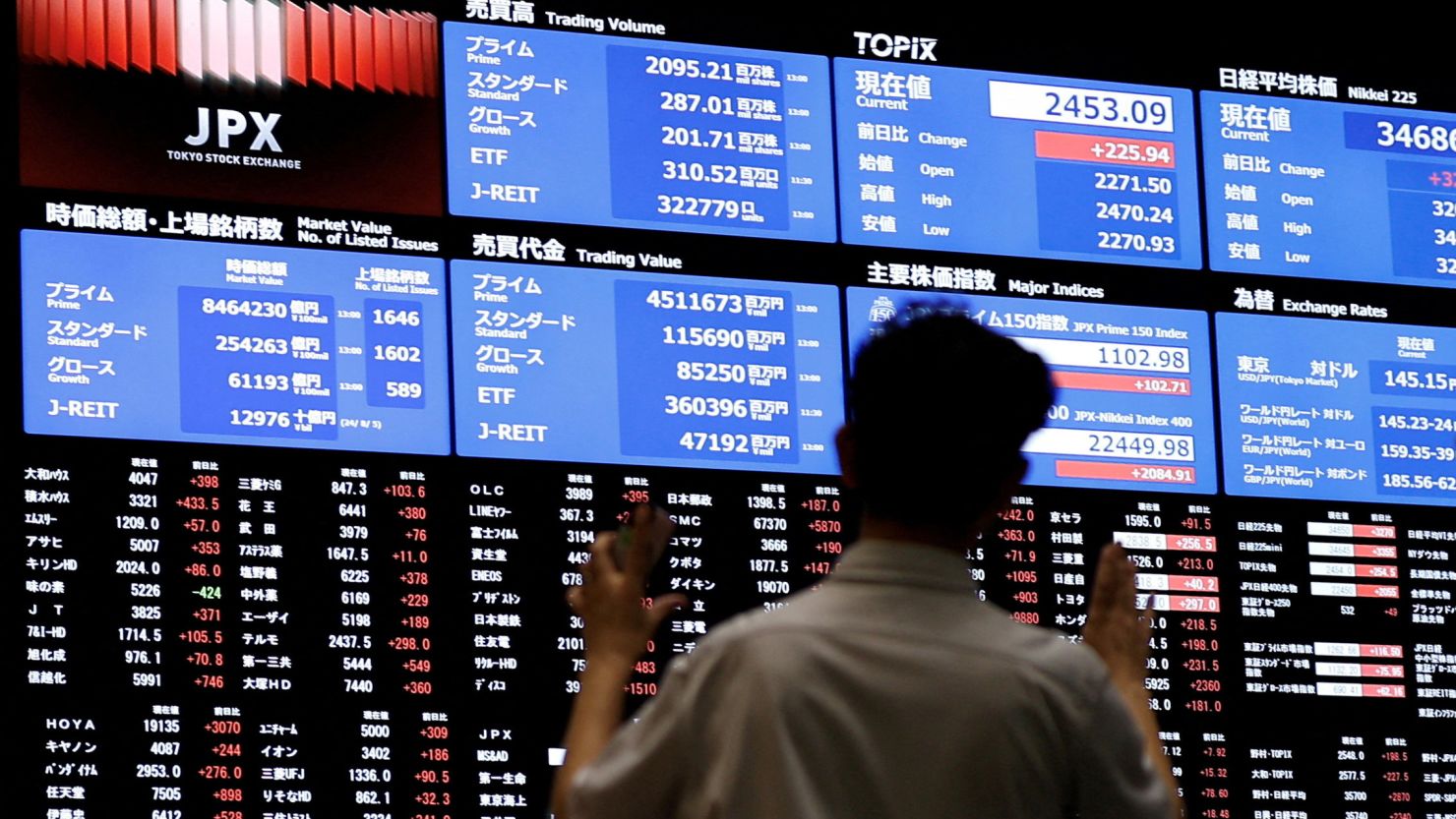
Global financial markets are undergoing a violent, high-stakes repricing following the conclusive outcome of the United States presidential election. In early trading sessions across the Asia-Pacific region, broad-market indices rallied sharply, capital allocation strategies shifted dramatically, and institutional desks were forced to re-evaluate risk mitigation models. Simultaneously, international benchmark crude oil prices suffered a precipitous drop, reflecting immediate macroeconomic anxiety over shifting energy policies, domestic drilling incentives, and broader demand-side fundamentals. As trading desks from Tokyo to Hong Kong digest the new political reality, corporate treasuries and portfolio managers are scrambling to optimize balance sheets against a backdrop of evolving valuation multiples and shifting monetary policy expectations.
This comprehensive investigative report examines the structural mechanics behind the post-election market wrap. By analyzing cross-asset correlations, capital flows, and commodity pricing pressures, we uncover the underlying drivers propelling Asian equities upward while energy markets buckle under the weight of anticipated supply expansions and shifting geopolitical dynamics.
Executive Takeaways
Test Our Free AI & Tech Utilities Suite
Calculate LLM API token costs, analyze article dwell-time, or simulate tech DCA returns.
- Equities Rally: Major Asian stock indices experienced broad-based buying pressure as investors priced in regulatory certainty, reduced political paralysis, and a favorable outlook for regional export-driven economies.
- Crude Sell-Off: International crude oil benchmarks tumbled significantly, driven by expectations of deregulated domestic US energy production, increased fossil fuel output, and potential shifts in global trade alignments.
- Capital Allocation Shifts: Institutional investors are rapidly rotating out of defensive positions, aggressively reallocating liquidity into growth-oriented tech sectors, financial institutions, and multinational conglomerates with high enterprise ROI.
- Macroeconomic Volatility: Despite the immediate relief rally, currency markets and bond yields reflect persistent underlying anxiety regarding long-term fiscal deficits, inflation trajectory, and central bank reaction functions.
Catalytic Events: The US Election Aftermath and Market Transmission

Elections in the world's largest economy invariably send shockwaves through international financial infrastructure. However, the clarity delivered by the recent US vote removed a primary layer of systemic risk that had paralyzed institutional capital allocation for months. Corporate boardrooms and private equity syndicates had been sitting on record levels of dry powder, awaiting regulatory certainty and definitive tax policy frameworks before executing major mergers, acquisitions, and infrastructure scalability initiatives.
As the election results solidified, market makers and automated trading algorithms immediately began pricing in an era of anticipated deregulation and corporate tax optimization. This sentiment quickly spilled over into Asian markets. Economies deeply integrated into global supply chains—such as South Korea, Taiwan, Japan, and regional ASEAN hubs—saw a surge in foreign portfolio inflows. Investors calculated that a stable, decisive US administration would maintain robust trade channels while enabling multinational corporations to streamline compliance and operational overhead.
Crucially, the equity surge was not isolated to domestic cyclicals. Technology giants, semiconductor foundries, and advanced manufacturing conglomerates led the advance. Investors focused heavily on companies demonstrating robust cloud compute architecture capabilities, strong balance sheets, and insulation from sudden tariff escalations. This flight to quality underscored a sophisticated market strategy: capturing upside beta while maintaining strict downside risk mitigation in the face of shifting global trade pacts.
The Energy Crunch: Why Oil Prices Collapsed
While equity markets celebrated political clarity, the commodity complex experienced a stark divergence. Brent crude and West Texas Intermediate (WTI) benchmarks suffered steep losses, plunging below key technical support levels within hours of the election call. This downward momentum was driven by a confluence of supply-side fundamentals and macroeconomic speculation.
The incoming administration’s explicit platform of unleashing domestic energy production—summarized by the prevailing "drill, baby, drill" rhetoric—sent immediate signals to global supply chains. Traders immediately factored in the expedited approval of federal drilling leases, the easing of pipeline permitting constraints, and a potential loosening of environmental compliance burdens for major shale producers. In an already oversupplied medium-term market, the prospect of an aggressive ramp-up in US crude output overwhelmed near-term geopolitical risk premiums in the Middle East and Eastern Europe.
Furthermore, the strengthening US dollar—fueled by expectations of higher domestic growth and relative interest rate differentials—exerted downward pressure on dollar-denominated commodities. Emerging market economies that rely heavily on net energy imports viewed the oil price correction as a profound tailwind. Lower energy input costs effectively act as a global tax cut, easing inflationary pressures across manufacturing hubs in Asia and providing central banks in the region with much-needed policy breathing room to support domestic credit expansion.
Verified Data & Metrics Breakdown
The following data table illustrates the immediate cross-asset impact, highlighting the divergence between regional equity performance and commodity pricing adjustments following the election results:
| Asset Class / Index | Pre-Election Benchmark | Post-Election Settlement | Percentage Change (%) | Primary Market Driver |
|---|---|---|---|---|
| MSCI Asia Pacific Index | 174.50 | 181.20 | +3.84% | Political certainty & foreign capital inflows |
| Nikkei 225 (Japan) | 38,981.75 | 40,210.50 | +3.15% | Weak yen dynamics & tech sector outperformance |
| Hang Seng Index (Hong Kong) | 20,506.43 | 21,150.80 | +3.14% | Bargain hunting & macroeconomic stimulus hopes |
| Brent Crude (USD/Barrel) | $75.41 | $71.85 | -4.72% | Anticipated US production surge & deregulation |
| WTI Crude (USD/Barrel) | $71.60 | $68.10 | -4.89% | Domestic drilling incentives & inventory builds |
| US Dollar Index (DXY) | 103.45 | 105.10 | +1.60% | Relative yield attractiveness & growth bets |
Industry & Market Implications: Winners, Losers, and Economic Realities
The dramatic market shift has created clear structural winners and losers across global industries. Understanding these distinctions is critical for institutional asset managers and corporate strategists navigating the current cycle.
The Winners
- Asian Export Manufacturers: Corporations specializing in semiconductor fabrication, consumer electronics, and industrial automation benefit from stable US demand profiles and lower logistics costs resulting from cheaper crude.
- Airlines and Transportation Networks: Lower jet fuel and energy input costs provide an immediate, high-margin boost to airline operators, container shipping lines, and global logistics providers across the Pacific rim.
- US Shale Producers and Energy Infrastructure: Despite lower commodity prices, domestic drillers and pipeline operators stand to gain from relaxed regulatory compliance and expanded operational footprints.
The Losers
- Global Oil Majors and Explorers: Integrated energy giants face compressed margins as lower crude realizations outweigh potential volume increases, forcing a re-evaluation of long-term capital expenditure budgets.
- Clean Energy and ESG Funds: Stocks tied to solar, wind, and electric vehicle infrastructure experienced heavy selling pressure amid fears that federal subsidies, tax credits, and green energy mandates could be scaled back or terminated.
- Emerging Market Energy Exporters: Nations heavily reliant on petroleum exports face fiscal deficits and currency depreciation as sovereign revenues shrink in tandem with international crude prices.
Frequently Asked Questions (People Also Answered)
Why did Asian stocks rally immediately following the US election?
Asian equities surged primarily due to the removal of political uncertainty. Institutional investors welcomed a decisive electoral outcome, which allowed global capital desks to resume risk-on strategies. Furthermore, the combination of anticipated US corporate tax reforms, favorable trade continuity, and falling oil prices created an optimal environment for export-driven regional economies.
What caused the sharp drop in international crude oil prices?
The crude sell-off was driven by expectations of increased domestic US oil production under the incoming administration. Market participants priced in aggressive deregulation, the opening of federal lands for drilling, and expedited pipeline approvals, which outweighed near-term geopolitical supply concerns and triggered algorithmic selling.
How do lower oil prices impact Asian economies?
For most Asian economies—which are net importers of energy—lower crude prices act as a powerful macroeconomic stimulant. It reduces manufacturing and transportation overhead, lowers domestic inflationary pressures, and improves trade balances, giving regional central banks greater flexibility to manage monetary policy.
Which sectors are expected to outperform in the post-election environment?
Financial institutions, defense contractors, major technology firms, and select industrial manufacturing companies are positioned to outperform. Conversely, renewable energy equities, clean technology developers, and traditional fossil fuel producers face heightened volatility and regulatory headwinds.
Future Outlook & Key Milestones to Watch
As the initial post-election dust settles, the sustainability of the current market rally will depend heavily on execution and macroeconomic fundamentals. While equity valuations in Asia have rebounded strongly, institutional scrutiny will quickly pivot back to central bank policy statements, quarterly corporate earnings reports, and incoming inflation prints.
Key milestones to monitor over the coming quarters include:
- Legislative and Executive Actions: Specific policy rollouts regarding trade tariffs, corporate tax revisions, and energy sector deregulation from Washington.
- OPEC+ Production Response: How major oil-producing nations adjust their quota management systems in direct response to rising non-OPEC (specifically US) supply output.
- Corporate Earnings Guidance: Executive commentary during upcoming earnings calls regarding supply chain resilience, pricing power, and capital expenditure allocation plans.
- Foreign Exchange Flows: The trajectory of the US Dollar and its subsequent impact on emerging market debt servicing costs and currency stability across Asia.
In conclusion, the intersection of political clarity and commodity price correction has reshaped the global financial landscape. While short-term momentum favors risk assets and Asian equities, sophisticated market participants must remain vigilant, utilizing advanced risk mitigation models and rigorous fundamental analysis to navigate the structural transitions ahead.