The Multi-Club Balance Sheet vs. High-Velocity Trading: Inside the High-Stakes Clash Between RB Leipzig and Eintracht Frankfurt
Executive Takeaways
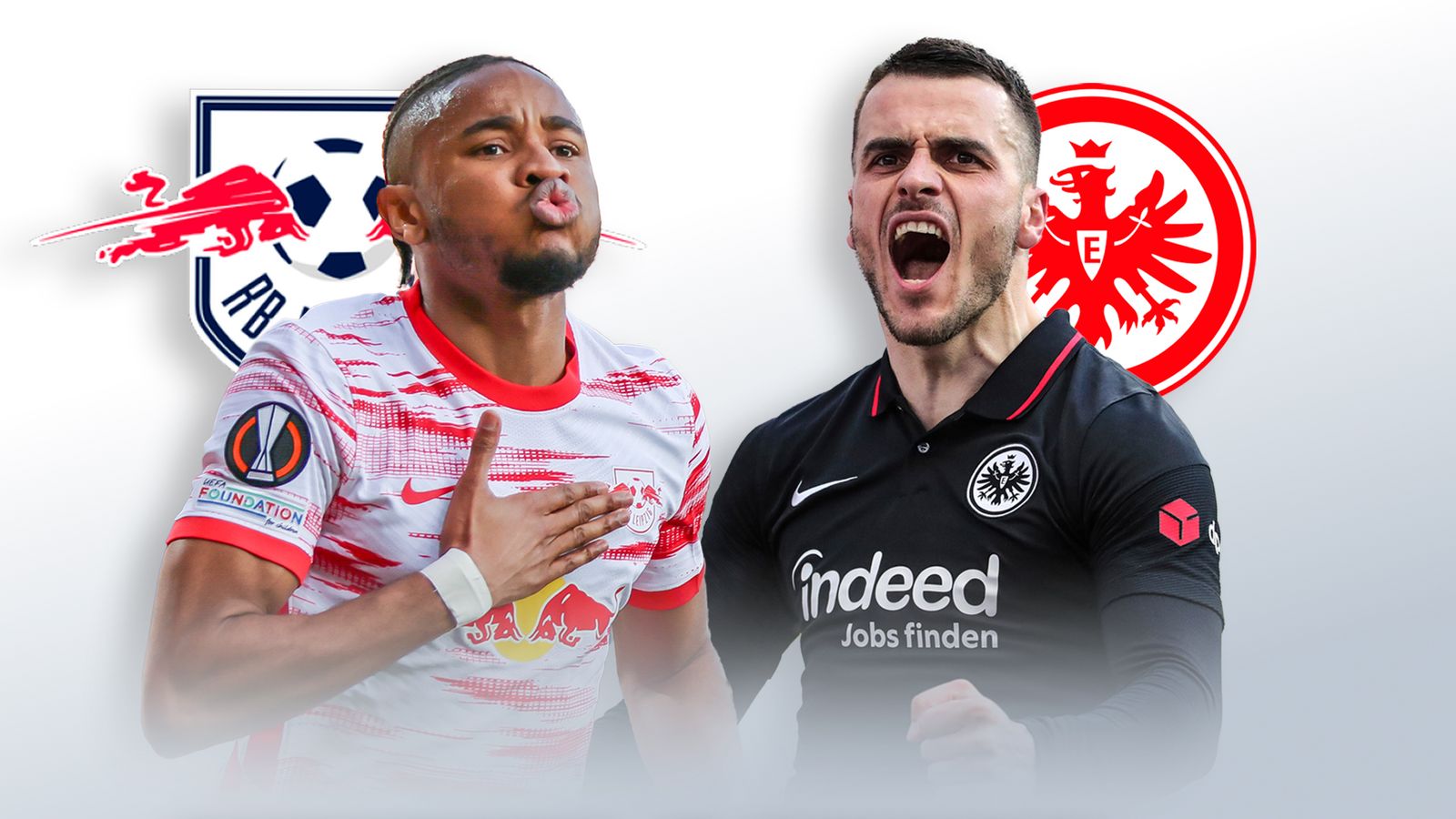
- Capital Architecture in Direct Conflict: The Bundesliga showdown between RB Leipzig and Eintracht Frankfurt represents more than a top-table clash; it is an ideological battle between Red Bull’s vertically integrated multi-club conglomerate and Frankfurt’s agile, high-margin player-trading enterprise.
- The €60M+ European Qualification Threshold: With the expanded UEFA Champions League Swiss-system format offering lucrative revenue windfalls, securing a top-four domestic finish has escalated from an operational goal to a non-negotiable metric for corporate solvency and player wage-to-turnover stability.
- Tactical Asymmetry: Marco Rose’s under-pressure tactical setup, designed around structured territorial dominance and counter-pressing recovery metrics, faces Dino Toppmöller’s high-velocity vertical transitions and low-block breakout mechanics.
- Infrastructure and Asset Valuation: Player assets including Christoph Baumgartner, Conrad Harder, and Frankfurt’s dynamic attacking core directly influence both clubs’ enterprise valuation multiples and balance-sheet amortizations ahead of upcoming transfer windows.
The Corporate Battlefield: Red Bull Synergy vs. Mainhattan Financial Engineering

When RB Leipzig welcomes Eintracht Frankfurt to the Red Bull Arena, the domestic fixture carries profound strategic and macroeconomic implications that reverberate across European football’s executive suites. On the surface, the fixture is a critical Bundesliga collision with domestic points and positional leverage on the line. Beneath the pitch, however, lies an intense case study in European sports asset management, contrasting private-capital multi-club scalability against the traditional member-governed, high-velocity trading desk model.
RB Leipzig operates as the apex predator of Red Bull GmbH’s global scouting network. Leveraging algorithmic talent discovery across satellite clubs in Salzburg, New York, and Bragantino, Leipzig minimizes search costs and compresses player-acquisition risk through an internalized pipeline. This model generates structural capital efficiencies, allowing the club to absorb localized form slumps while maintaining an elite baseline. Yet, with recent volatility on the pitch and mounting domestic pressure to protect an immaculate home record, the limits of centralized corporate planning are being tested against unpredictable tactical variables.
Conversely, Eintracht Frankfurt represents the pinnacle of speculative asset development within Germany’s financial capital. Backed by corporate advisory networks rooted in Frankfurt’s banking district, Die Adler have mastered the art of realizing massive capital gains via calculated talent arbitrage. By acquiring undervalued continental prospects, accelerating their production curves, and executing divestments at steep premiums—exemplified in historical exits like Randal Kolo Muani, Luka Jović, and Sébastien Haller—Frankfurt continuously self-funds squad modernization while operating within strict financial fair play and debt-service constraints.
Tactical Breakdown: High-Pressing Territorial Control Meets Vertical Velocity
From an analytical standpoint, the confrontation highlights a clash of distinct tactical architectures. Leipzig’s strategic blueprint revolves around high-intensity gegenpressing, localized overload zones, and accelerated direct distribution. Tacticians deploy a compact 4-2-2-2 or an asymmetric 3-4-2-1 structure built to compress space between the defensive and middle thirds, driving opposition turnovers within high-expected-goal (xG) quadrants.
Key personnel shifts underscore this strategic deployment. The emergence of physical attacking focal points like Conrad Harder alongside seasoned operators such as Christoph Baumgartner gives Leipzig dual avenues of penetration: aerial dominance inside the penalty box paired with technical secondary-run exploitation. Baumgartner’s spatial intelligence enables rapid counter-movements against deep defensive lines, disrupting opposition midfields that attempt to isolate Leipzig’s wide playmakers.
Eintracht Frankfurt counters with a system meticulously engineered for transitional leverage. Under Toppmöller, Frankfurt accepts deliberate periods of low-block containment, utilizing disciplined defensive spacing to absorb initial waves of pressure before launching vertical strikes into the space vacated by advancing full-backs. Frankfurt’s midfield pivot operates not merely as a defensive screen, but as an instantaneous launching pad for high-turnover counters, seeking to isolate Leipzig’s central defenders in broad-pitch one-on-one recovery footraces.
The High Stakes of Champions League Qualification Economics
The urgency surrounding this clash is magnified by the structural realignment of European club competition revenues. The expanded 36-team UEFA Champions League format, driven by centralized broadcast and commercial distribution packages, has substantially widened the financial divide between qualified participants and the domestic chasing pack. Missing out on the European elite tier inflicts an immediate minimum top-line revenue haircut of €60 million to €80 million—a catastrophic operational contraction that forces structural asset sales and diminishes negotiating leverage in the transfer market.
For Leipzig, sustained Champions League qualification is the foundational assumption behind their player wage structures and multi-year capital expenditure programs. For Frankfurt, qualifying for Europe’s premier competition provides the market liquidity required to retain elite prospects for an additional developmental cycle, systematically compounding enterprise value and boosting exit valuations when blue-chip European buyers come calling.
Operational & Financial Comparison Matrix
| Strategic Metric | RB Leipzig | Eintracht Frankfurt | Strategic & Market Context |
|---|---|---|---|
| Ownership / Operating Model | Multi-Club Network (Red Bull GmbH ecosystem; dynamic corporate integration) | 50+1 Member Club (Hybrid commercial AG structure with private banking syndicates) | Leipzig benefits from internal network synergies; Frankfurt relies on market-facing asset sales. |
| Player Trading Margin (5-Yr Trajectory) | High (€50M+ annual recurring capital gains via structured portfolio trades) | Exceptionally High (Specializes in triple-digit percentage returns on forward assets) | Frankfurt’s model demands immediate scouting replacement; Leipzig recycles via pipeline clubs. |
| Wage-to-Turnover Ratio Target | ~55% – 60% (Anchored by international commercial underwriting) | ~50% – 54% (Conservative corporate fiscal policy to mitigate revenue volatility) | UEFA Squad Cost Rule compliance (70% ceiling) forces strict operational cost controls. |
| Core Tactical Identity | High-intensity pressing, rapid counter-pressing, territorial compression | Direct transitional play, low-block structural stability, vertical outlet isolation | Contrasts Leipzig's high spatial commitment against Frankfurt's counter-attack efficiency. |
| UEFA Enterprise Value Multiplier Impact | Direct exposure to global brand valuation and portfolio scalability | Elevated local brand equity, corporate hospitality, and matchday commercial yield | European qualification dictates access to tier-1 institutional sponsorship tiers. |
Industry & Market Implications: The Macro Football Ecosystem
The broader implications of this tactical and operational clash extend deeply into the European sports finance landscape, illustrating the diverging mechanisms through which clubs manage economic volatility and squad amortization.
The Winners: Multi-Club Syndicates and Strategic Arbitrageurs
If RB Leipzig stabilizes their home record and secures all three points, it validates the operational durability of multi-club data infrastructure. Centralized scouting algorithms, shared athletic performance databases, and shared medical resources insulate corporate football conglomerates against the natural variances of player fatigue and domestic slumps. A victory preserves Leipzig's capital valuation multiples and assures corporate partners of consistent exposure across UEFA's premier digital broadcasting inventory.
Conversely, an Eintracht Frankfurt triumph cements the viability of the agile, mid-tier European club operating as an elite development platform. By consistently defeating heavily capitalized competitors, Frankfurt proves that disciplined structural hedging, opportunistic squad building, and sophisticated tactical adaptability can outmaneuver corporate scale. A victory solidifies their trajectory toward direct Champions League qualification, driving enterprise revenue gains across hospitality, merchandise, and dynamic international broadcast rights distributions.
The Losers: Traditional Bureaucratic Governance
The broader losers in this evolving competitive paradigm are legacy clubs that have failed to adopt modern capital allocation frameworks. Traditional domestic institutions relying on static regional fanbases and sluggish decision-making architectures find themselves structurally outpaced. Whether contending with Red Bull's global pipeline or Frankfurt's rapid-turnover trading desk, clubs lacking analytical recruitment infrastructure face chronic roster stagnation, ballooning wage-to-revenue ratios, and eventual relegation from continental revenue distribution.
Frequently Asked Questions (People Also Ask)
Why is the RB Leipzig vs. Eintracht Frankfurt fixture considered a crucial tactical match?
The fixture represents a classic tactical confrontation between RB Leipzig’s high-pressing, possession-dominant counter-pressing structure and Eintracht Frankfurt’s elite transition-based counter-attacking mechanics. The match serves as a strategic litmus test for whether disciplined low blocks can neutralize complex high-possession attacking systems in elite European football.
How does UEFA Champions League qualification impact the financial stability of these clubs?
Qualifying for the UEFA Champions League provides an estimated baseline revenue injection of €60 million to €80 million through starting fees, performance bonuses, television pool shares, and increased matchday receipts. For RB Leipzig, this revenue supports higher player wage structures and infrastructure costs; for Eintracht Frankfurt, it dramatically elevates player retention capacity and squad balance-sheet valuations.
What is the core difference between the operating models of RB Leipzig and Eintracht Frankfurt?
RB Leipzig operates as the flagship asset within Red Bull’s global multi-club ownership ecosystem, utilizing centralized international scouting networks and vertical talent transfers. Eintracht Frankfurt operates as a traditional, member-influenced German club that utilizes private financial syndication and high-velocity talent trading to purchase undervalued prospects, develop them, and sell them at significant capital gains.
Future Outlook & Strategic Milestones
As the domestic campaign approaches critical mid-season and late-season inflection points, the performance metrics generated from the Leipzig-Frankfurt confrontation will establish immediate operational directives for both sporting directors and executive boards.
In the near term, squad depth and physiological recovery metrics will dictate tactical rotations as domestic schedules compress against European midweek commitments. Key focal points include Christoph Baumgartner’s production efficiency in final-third breakthroughs, the clinical progression of Conrad Harder, and Frankfurt’s ability to maintain defensive compactness without sacrificing transitional dynamism.
Looking toward upcoming transfer windows, the financial outcome of this fixture will influence boardroom liquidity. The club that solidifies its grip on a Champions League berth will dictate transfer market terms, leveraging guaranteed European cash flows to ward off low-ball acquisitions while securing high-profile talent on favorable amortization schedules. The loser faces increased margin compression, heightened scrutiny over executive capital allocation, and the potential necessity of divesting key assets to ensure continuous compliance with domestic and international financial fair play mandates.