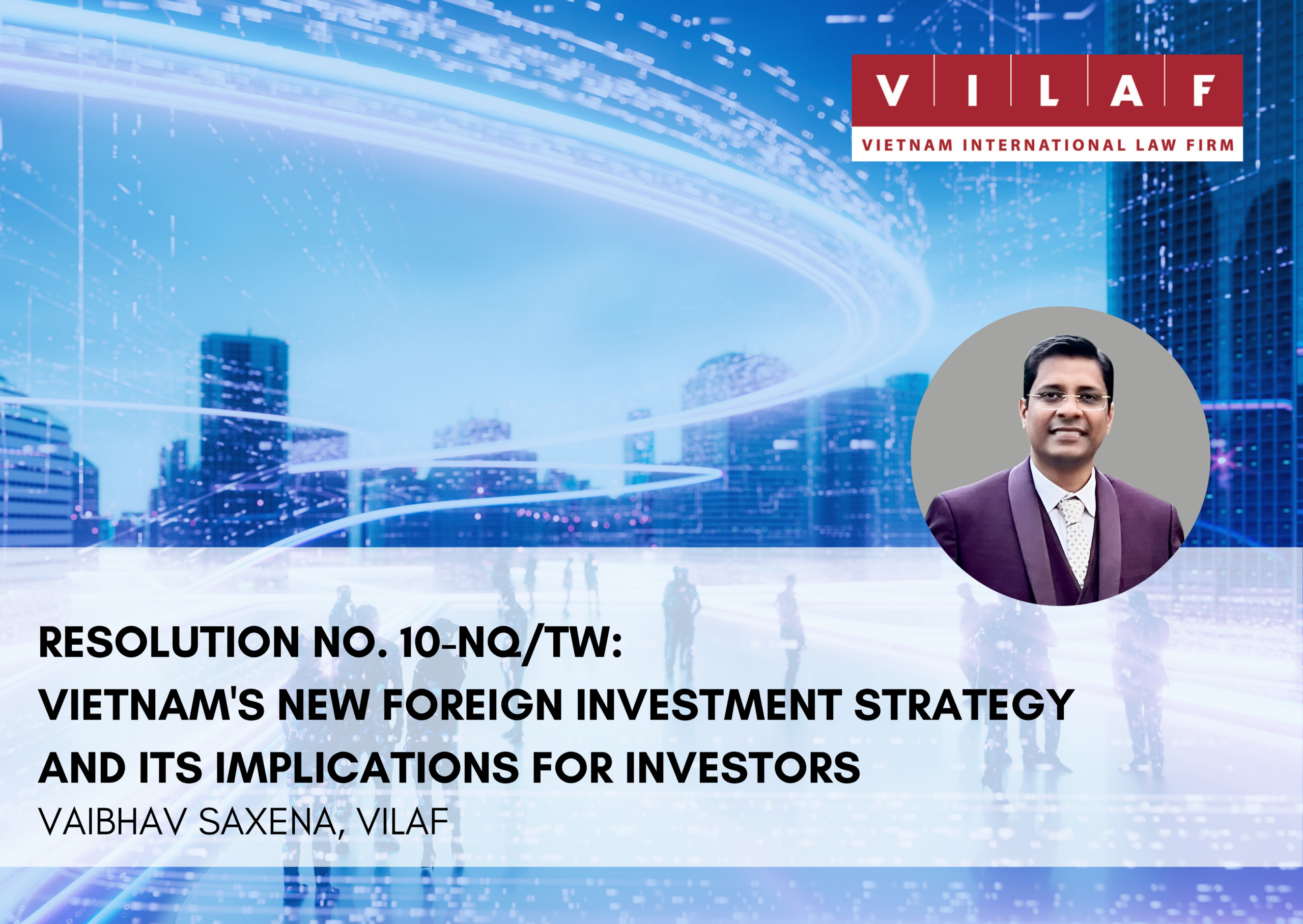
The Vietnam Pivot: Inside Resolution 10-NQ/TW and the Death of Cheap-Labor FDI
HANOI — For three decades, Vietnam played a winning hand in the global manufacturing sweepstakes. Armed with low-cost labor, streamlined logistics, and aggressive tax incentives, the Southeast Asian powerhouse built an economic miracle on the back of assembly lines churning out everything from Nike sneakers to Samsung smartphones.
That playbook is officially retired.
In a high-stakes legislative pivot that is already sending ripples through corporate boardrooms from Tokyo to New York, Hanoi has unleashed Resolution 10-NQ/TW. This landmark economic strategy marks a decisive ideological and structural shift: Vietnam is no longer interested in simply collecting foreign direct investment (FDI) volume. It wants value, technology transfer, and sustainable integration.
For multinational corporations accustomed to treating Vietnam as a low-cost arbitrage play, the rules of engagement have fundamentally changed. As global supply chains face unprecedented fragmentation, Resolution 10-NQ/TW signals Hanoi’s ambition to vault into the ranks of high-income economies—leaving cheap assembly lines behind in favor of semiconductors, green energy, and high-tech R&D.
From Volume to Value: Decoding the Shift
To understand the gravity of Resolution 10-NQ/TW, one must look at Vietnam’s economic trajectory over the last ten years. While the country successfully positioned itself as the premier "China Plus One" alternative during the US-China trade tensions, policymakers in Hanoi grew increasingly concerned about a middle-income trap.
Low-cost manufacturing drove impressive GDP growth, but it generated relatively low domestic value-add, strained local infrastructure, and exposed the economy to environmental degradation. Resolution 10-NQ/TW addresses these vulnerabilities head-on.
- Quality Over Quantity: Tax incentives and land concessions will no longer be handed out indiscriminately to labor-intensive projects. Future approvals will prioritize tech-transfer depth and capital efficiency.
- The Domestic Linkage Mandate: A core pillar of the new strategy forces foreign multinational enterprises (MNEs) to forge deeper integration with domestic small- and medium-sized enterprises (SMEs), ending the era of isolated "enclave" manufacturing.
- Decarbonization as a Baseline: High-polluting industries will face stringent regulatory hurdles. Clean energy compatibility is now a prerequisite for major FDI approvals.
- Workforce Upgrading: Incentives are heavily skewed toward foreign investors who commit to funding localized vocational training, engineering academies, and R&D facilities.
The Boardroom Reaction: Adaptation or Obsolescence

The reception among foreign chambers of commerce has been a mix of calculated caution and strategic alignment. While legacy manufacturers reliant on cheap labor are sounding alarms over rising operational overheads, tech giants and green energy conglomerates are viewing Resolution 10-NQ/TW as a long-awaited regulatory green light.
"Vietnam is growing up," says a senior economic advisor to foreign investors based in Ho Chi Minh City, speaking on condition of anonymity. "For years, investors exploited cheap inputs without building local ecosystems. Resolution 10-NQ/TW tells the world: If you want access to Vietnam's workforce and strategic trade agreements, you must contribute to our national modernization."
The policy arrives at a critical juncture. With global minimum tax rules taking effect and regional competitors like Indonesia and India aggressively courting capital, Vietnam needed a differentiator. By targeting the high end of the global value chain—particularly semiconductor packaging, testing, and high-tech electronics—Hanoi is betting that intellectual capital will prove stickier than cheap wages.
Key Metrics: Old FDI Strategy vs. Resolution 10-NQ/TW
| Strategic Metric | Legacy FDI Model | Resolution 10-NQ/TW Framework |
|---|---|---|
| Primary Objective | Job creation and export volume | Technological depth and domestic value-add |
| Target Industries | Garments, footwear, basic assembly | Semiconductors, AI, green tech, advanced R&D |
| Environmental Standard | Lenient compliance for rapid industrialization | Strict ESG alignment and net-zero benchmarks |
| Local Supply Chain | Minimal integration (heavy reliance on imports) | Mandatory localization and SME partnerships |
What This Means for Global Investors
For executives mapping out capital expenditure for the remainder of the decade, the implementation of Resolution 10-NQ/TW requires an immediate audit of operational footprints in Vietnam. Greenfield projects centered on low-wage arbitrage will face tighter bureaucratic friction and reduced incentives.
Conversely, firms willing to partner with local universities, invest in sustainable infrastructure, and bring advanced engineering capabilities onshore will find an administration eager to fast-track approvals and provide robust state backing.
Ultimately, Resolution 10-NQ/TW is more than just a regulatory update; it is an economic declaration of independence. Vietnam has signaled that it refuses to remain the world's cheap workbench. For global capital, the message is clear: upgrade your strategy, or look elsewhere.
Frequently Asked Questions
What is the primary goal of Resolution 10-NQ/TW?
Resolution 10-NQ/TW aims to pivot Vietnam's foreign direct investment strategy away from low-cost, labor-intensive manufacturing toward high-quality, high-tech industries, green energy, and sustainable domestic supply chain integration.
How will this affect existing manufacturing plants in Vietnam?
Existing low-cost operations will not be forced out immediately, but they will face increasing regulatory scrutiny, fewer tax incentives, and stricter environmental standards as Hanoi prioritizes modernization and technological upgrading.