Yield Shock Wall Street: Stock Futures Flat as Bond Market Carnage Triggers Global Investor Panic
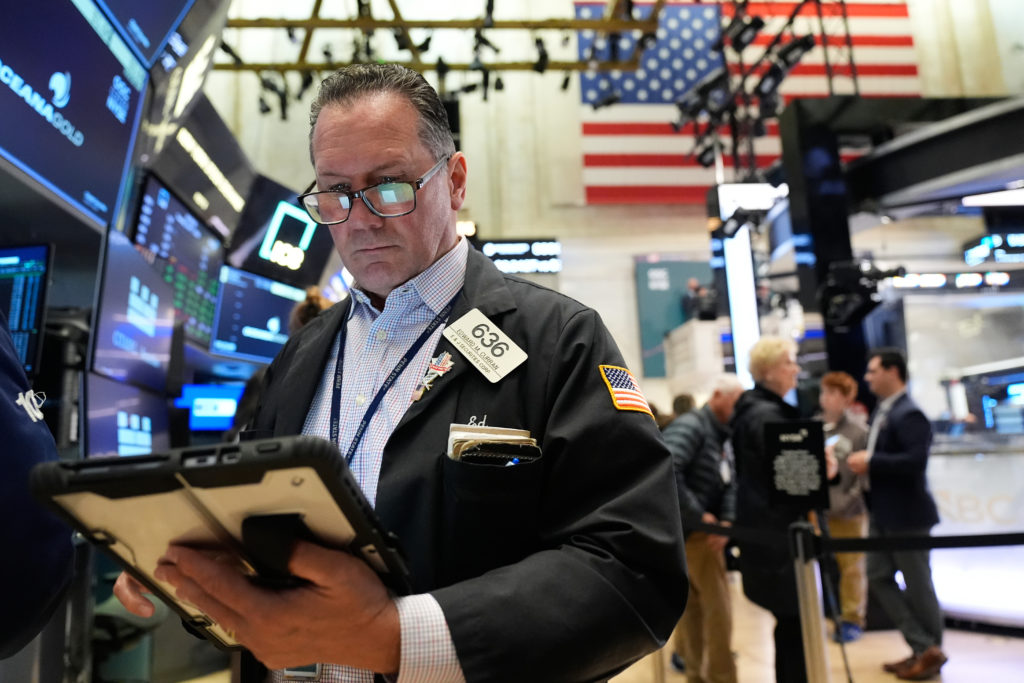
NEW YORK — Wall Street is bracing for further turbulence this morning as U.S. stock futures struggle for direction, hovering flat following a brutal market sell-off triggered by a sudden, aggressive spike in Treasury yields. Investors across global financial hubs are hastily reassessing portfolio risk as the benchmark 10-year Treasury yield surged to multi-month highs, sending shockwaves through equity valuations, rate-sensitive growth sectors, and commodity markets.
The sudden tightening of financial conditions has upended weeks of relative market complacency. With borrowing costs climbing rapidly, institutional desks and retail traders alike are parsing economic data, Federal Reserve signaling, and global supply pressures to determine whether this rout is a short-term correction or the dawn of a prolonged liquidity squeeze.
At a Glance: Current Market Snapshot
- Dow Jones Industrial Average Futures: Flat to marginally lower in early pre-market activity.
- S&P 500 Futures: Stagnant as traders digest soaring sovereign debt yields.
- Nasdaq 100 Futures: Under persistent pressure, led by mega-cap technology sell-offs.
- 10-Year Treasury Yield: Hovering near critical multi-month highs following a sharp weekly surge.
- Crude Oil: Facing additional headwinds as energy markets weigh economic slowdown risks against supply constraints.
The Catalyst: Why Treasury Yields are Driving the Sell-Off

The root of the current market anxiety lies in the fixed-income market. As Treasury yields climb—driven by persistent inflation fears, robust economic printouts, and heavy sovereign debt issuance—the fundamental math underpinning equity valuations is shifting dramatically.
When risk-free government bonds offer attractive yields exceeding 4.5% to 5%, institutional capital naturally rotates away from high-multiple equities. This dynamic has hit the technology and growth sectors hardest, as future corporate earnings are discounted at much higher rates. The rapid upward momentum in yields caught many leveraged funds off guard, prompting cascading stop-loss orders and a sharp liquidation wave across major exchanges.
"We are witnessing a classic valuation reset dictated by the bond market," said Sarah Jenkins, Chief Global Strategist at Apex Capital Management. "For months, equity markets tried to look past the rising cost of capital. The sheer velocity of this latest yield spike has forced investors to confront the reality that higher-for-longer interest rates are finally biting corporate margins."
Key Market Metrics and Asset Performance
| Asset Class / Index | Current Status | Trend Direction | Primary Market Driver |
|---|---|---|---|
| S&P 500 Futures | Flat / Consolidation | Neutral-Bearish | Bond market volatility & profit-taking |
| 10-Year U.S. Treasury | Elevated Yields | Bullish Yield / Bearish Bond | Inflation persistence & issuance concerns |
| Crude Oil (WTI) | Volatile / Lower | Bearish | Macro growth fears & industrial demand |
| US Dollar Index (DXY) | Strengthening | Bullish | Safe-haven flows & widening yield differentials |
Broader Economic Fallout: Energy and Commodities Join the Retreat
The turmoil is not confined strictly to equities and bonds. Commodity markets, particularly crude oil, are feeling the pinch as well. Industry leaders and energy analysts warn that a broader macroeconomic slowdown, supercharged by restrictive monetary policy, could dampen global energy demand.
Despite ongoing geopolitical tensions in key producing regions, oil prices slipped during the latest sell-off session. Energy executives note that industrial consumers are becoming increasingly cautious about inventory management as the cost of commercial borrowing continues to scale peaks not seen in over a decade.
"The energy complex is caught in a tug-of-war," noted energy sector analysts in a recent briefing. "On one side, tight structural supply supports prices; on the other, macro headwinds driven by skyrocketing yields and tighter financial conditions threaten to choke off demand growth."
What Lies Ahead for Investors?
As Wall Street navigates this volatile landscape, all eyes remain fixed on upcoming macroeconomic data releases and commentary from central bank officials. Market participants are desperately seeking clues regarding whether policymakers will acknowledge the tightening financial conditions or maintain their hawkish stance to stamp out lingering inflationary pressures.
Portfolio managers advise caution, recommending a defensive posture that emphasizes robust balance sheets, strong free cash flow, and low debt-to-equity ratios. While the flat movement in stock futures suggests a momentary pause in the bleeding, traders agree that volatility is likely to remain elevated in the immediate trading sessions.
Frequently Asked Questions
Why do rising Treasury yields cause a stock market sell-off?
Rising Treasury yields increase the risk-free rate of return, making government bonds more attractive compared to stocks. Additionally, higher yields drive up borrowing costs for corporations and consumers, which can depress future corporate earnings and force a downward revision of stock valuations—particularly for high-growth tech companies.
Are stock futures currently indicating a market crash?
No. While stock futures are flat following a notable sell-off session, they currently reflect consolidation and caution rather than a systemic crash. However, heightened volatility means intraday price swings remain significant as traders react to bond market movements.