Grid Warfare Erupts: Russia and Ukraine Trade Devastating Energy Strikes as Trump’s Ceasefire Push Stalls
WASHINGTON & KYIV — The stark reality of the frontlines has brutally punctured diplomatic optimism. Just hours after former U.S. President Donald Trump claimed he could broker an immediate ceasefire to end the grinding conflict, both Moscow and Kyiv have unleashed massive, coordinated waves of long-range aerial attacks targeting each other’s critical energy infrastructure.
The escalation marks one of the most intense bombardments of power generation and distribution facilities in recent months. It signals that despite mounting international pressure and shifting political winds in Washington, neither side is willing to cede strategic leverage on the battlefield or dial back their campaign to freeze and starve the adversary of power.
At a Glance: The Escalation Breakdown
- The Diplomatic Clash: Trump asserted he could halt the war overnight, but the claim was instantly overshadowed by roaring air-raid sirens and missile impacts across Eastern Europe.
- Targeted Assets: High-voltage substations, thermal power plants, and natural gas transit hubs in multiple regions took direct hits from drones and cruise missiles.
- Human Toll: Emergency rolling blackouts have plunged millions of civilians into darkness and freezing conditions, intensifying the humanitarian crisis.
- Market Reaction: European benchmark natural gas prices surged immediately following wire reports of the grid strikes, stoking fresh inflation fears.
The Anatomy of the Strikes: Missiles Meet the Grid

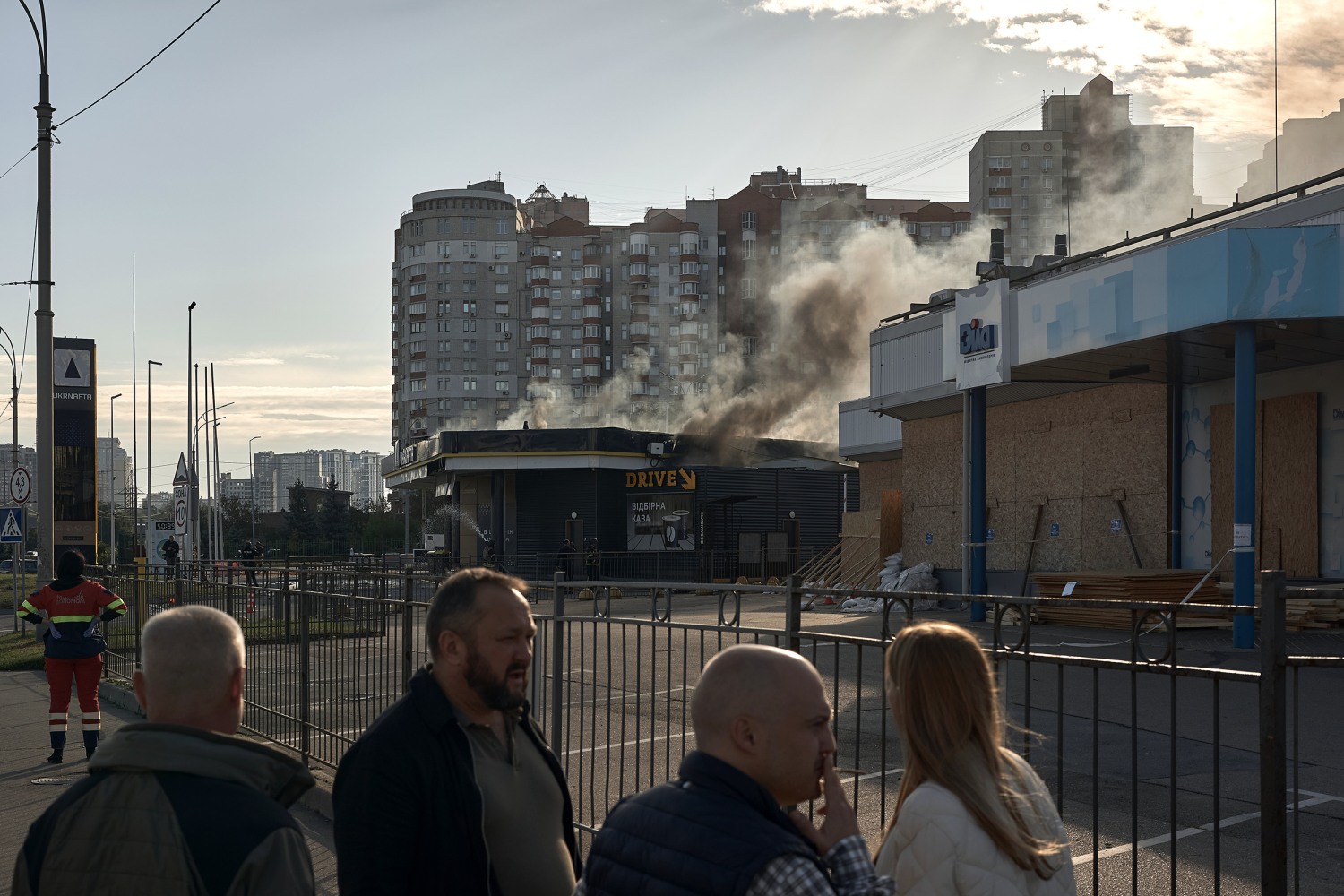
According to verified wire reports and regional military administrations, the latest campaign began late Thursday and extended into Friday morning. Russian forces deployed waves of Iranian-designed Shahed loitering munitions alongside precision cruise missiles, targeting regional power grids in central and western Ukraine. Ukrainian state energy operators confirmed severe damage to vital high-voltage infrastructure, forcing emergency shutdowns to prevent catastrophic cascading failures.
In a clear demonstration of its expanding asymmetric capabilities, Ukraine retaliated with deep-strike drone operations aimed at Russian energy logistics. Reports confirmed successful hits on fuel depots and electrical substations within Russian border oblasts. Kyiv's military strategy remains laser-focused on degrading the logistical supply lines that fuel the Kremlin's ongoing offensive operations.
| Metric / Indicator | Status / Impact | Market & Strategic Implication |
|---|---|---|
| Primary Targets | Substations, Thermal Plants, Fuel Depots | Direct disruption of domestic heating, power, and military supply chains. |
| Civilian Impact | Emergency blackouts across multiple oblasts | Heightened humanitarian strain ahead of peak seasonal weather demands. |
| Energy Markets | European gas futures spiked ~4.5% | Renewed volatility in global commodity markets and inflationary pressure. |
| Diplomatic Reality | Ceasefire claims rejected by kinetic actions | Proves profound disconnect between political rhetoric and battlefield reality. |
Why Trump’s Ceasefire Claims Are Colliding with Reality
The timing of the attacks has triggered intense debate among foreign policy analysts in Washington and European capitals. Trump’s repeated assertions that he can end the war within 24 hours through direct negotiation have faced severe skepticism from military strategists. The weekend's fiery exchanges illustrate precisely why: both belligerents remain convinced that victory—or at least an advantageous bargaining position—must be forged through kinetic dominance rather than premature compromise.
"Political promises made on the campaign trail or from podiums cannot override the hard calculus of survival currently driving both Moscow and Kyiv," said a senior European defense analyst speaking on condition of anonymity. "Until the cost of continuing these energy-grid attacks outweighs the strategic benefits for both leaderships, diplomatic breakthroughs will remain out of reach."
The Humanitarian and Economic Fallout
As winter approaches, the weaponization of energy infrastructure continues to extract an agonizing toll on the civilian population. Hospitals, water treatment facilities, and residential complexes are bearing the brunt of the blackouts. International humanitarian agencies have ramped up warnings that sustained strikes on the power grid could trigger a new wave of internal displacement.
Economically, the strikes ripple far beyond the immediate war zone. Global energy markets reacted swiftly to the news. European natural gas futures climbed as traders calculated the heightened risk of permanent structural damage to transit pipelines and regional generation capacity. Central bankers are closely monitoring the situation, acutely aware that another energy shock could derail ongoing efforts to tame inflation.
Frequently Asked Questions
1. Why is energy infrastructure a primary target in this conflict?
Targeting power grids, fuel depots, and heating plants is a deliberate strategy to degrade the enemy's economic stability, disrupt military logistics, and break civilian morale by causing widespread blackouts and heating failures.
2. Can international mediators enforce a ceasefire despite these attacks?
Enforcing a ceasefire requires mutual consent and verified enforcement mechanisms on the ground. Because both Russia and Ukraine believe they can still shift the military balance in their favor, neither side has shown a willingness to halt operations based solely on external political claims.