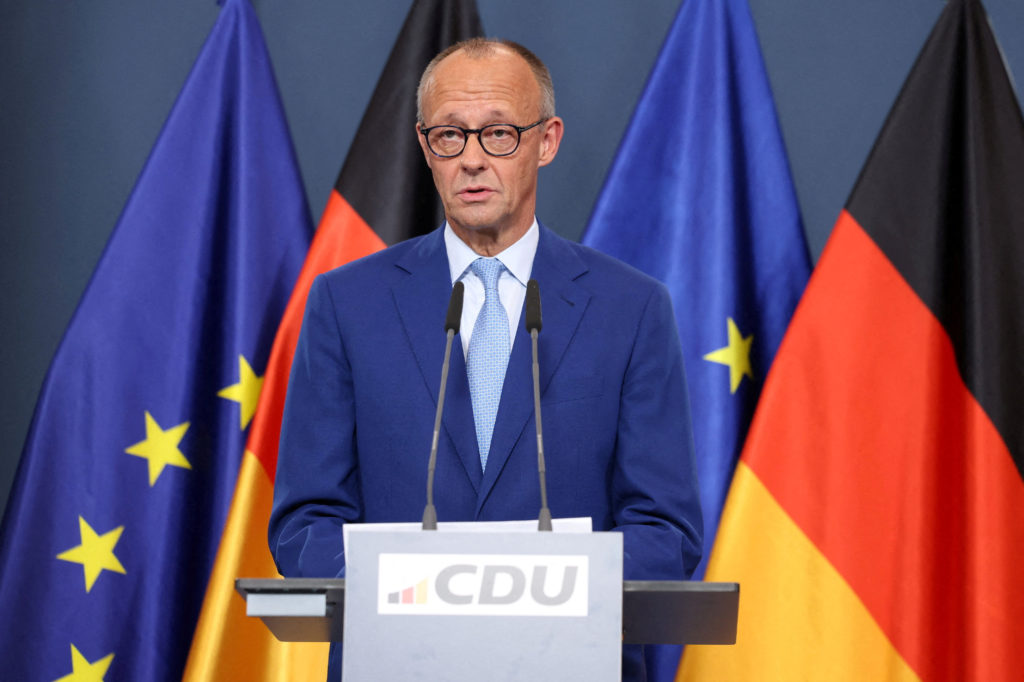
Germany’s Reform Gamble: Chancellor Merz Defies Historic Election Rout to Double Down on Economic Shakeup
BERLIN — Facing the most severe political crisis of his chancellorship, German Chancellor Friedrich Merz has vowed to aggressively press ahead with his controversial economic and structural reforms, despite suffering a historic defeat in a crucial state election. The electoral rout has sent shockwaves through Berlin’s political establishment and raised serious questions about the stability of the federal coalition.
The election, widely viewed as a referendum on Merz’s austerity-leaning economic policies and labor reforms, saw his party suffer unprecedented losses, while populist parties on both the left and right made significant gains. Yet, speaking from the party headquarters in Berlin, a defiant Merz made it clear that he has no intention of pivoting to a more populist, high-spending agenda.
Executive Summary: The Crisis in Berlin
- The Electoral Blow: Chancellor Friedrich Merz’s coalition suffered a historic defeat in a key regional state election, signaling deep voter frustration with inflation, energy costs, and economic stagnation.
- The Defiant Stance: Merz rejected calls to dilute his structural reform agenda, insisting that Germany’s long-term competitiveness depends on painful, immediate fiscal adjustments.
- Market & Industry Reaction: While German business leaders warn of prolonged political gridlock, financial markets remain highly sensitive to any sign of fiscal slippage in the Eurozone's largest economy.
- Coalition in Jeopardy: The scale of the defeat has widened cracks within the federal coalition, with junior partners openly questioning the government's current trajectory.
The Ballot Box Backlash: A Mandate Rejected?
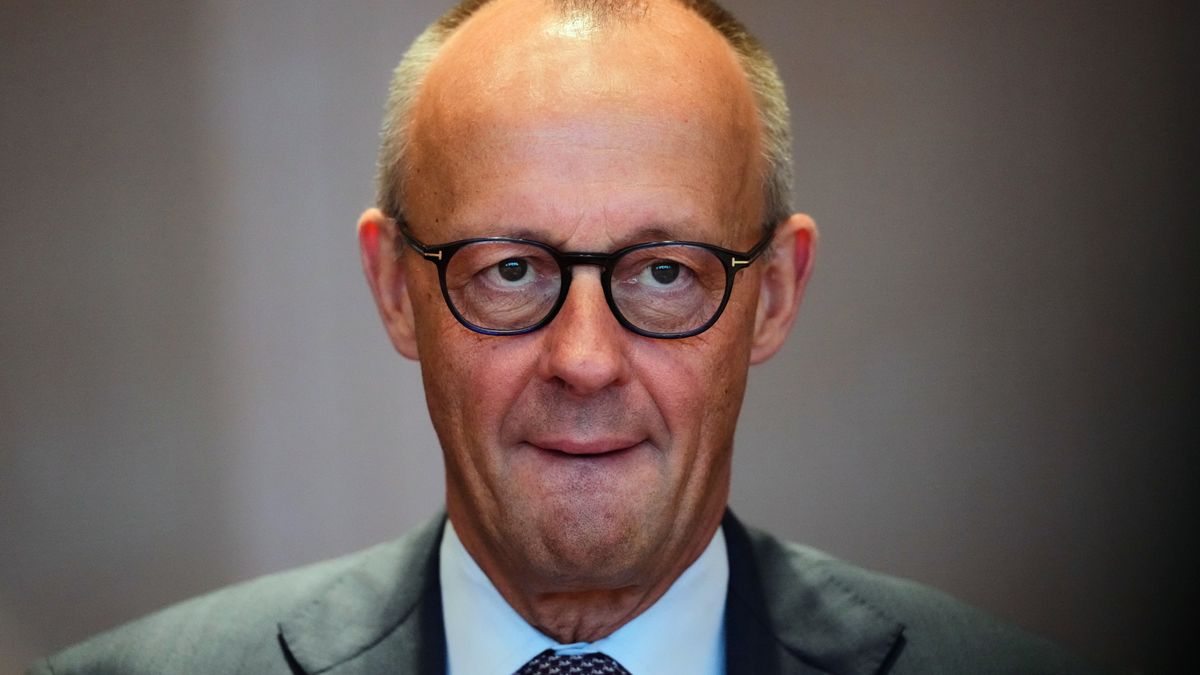
The regional election results represent a watershed moment in modern German politics. For decades, Germany's centrist parties have maintained a stable grip on regional parliaments. However, Sunday's vote demonstrated a profound realignment of the electorate. Discontent over soaring energy prices, bureaucratic inertia, and a stagnant industrial sector translated into a surge of support for opposition parties.
Political analysts point to the rapid rise of fringe parties as a direct response to Merz's "hard-nosed" economic approach. Since taking office, the Chancellor has championed a return to strict constitutional debt limits (the Schuldenbremse), resisted calls for sweeping industrial subsidies, and proposed controversial reforms to the social welfare system designed to incentivize work. Critics argue these policies have disproportionately impacted working-class households already struggling with the cost-of-living crisis.
"No Alternative": Merz Doubles Down on Structural Reforms
Despite the clear electoral rebuke, Chancellor Merz was resolute in his post-election press conference. "We have heard the message from the voters, but we cannot afford the luxury of standstill," Merz told reporters. "Germany is facing deep, structural challenges that have been swept under the rug for over a decade. Retreating into comfortable populist spending policies now would be a betrayal of the country's economic future."
The Chancellor’s reform package aims to tackle Germany’s acute labor shortages, modernize its digital infrastructure, and lower corporate tax burdens to attract foreign direct investment. However, these plans require significant legislative cooperation, which has now been severely compromised by the election outcome.
The Key Pillars of the Merz Reform Agenda
At the heart of the Chancellor's controversial legislative push are three primary pillars aimed at reviving the "Sick Man of Europe":
- Labor Market Deregulation: Easing hiring and firing laws to encourage small and medium-sized enterprises (Mittelstand) to expand their workforces.
- Strict Fiscal Discipline: Maintaining a hard cap on new national debt to curb inflationary pressures, despite pressure from coalition partners to increase borrowing.
- Bureaucracy Reduction: Fast-tracking planning permissions for critical infrastructure, particularly in the energy and telecommunications sectors.
Industrial Leaders Sound the Alarm
The reaction from Germany’s corporate elite has been mixed. While many executives support Merz’s pro-market rhetoric, they fear that a weakened Chancellor will lead to legislative paralysis. The Federation of German Industries (BDI) warned that political instability could further deter investment at a time when major manufacturers are already shifting production abroad due to high energy costs.
"What German industry needs above all else is predictability," said a senior economist at a major Frankfurt-based investment bank. "If the Chancellor cannot command a stable majority or if his own cabinet begins to fracture, we will see a further flight of capital from German equities."
The Changing Political Landscape
The shift in voter sentiment is clearly illustrated by the dramatic changes in seat distribution and overall vote share compared to the previous election cycle. The rise of alternative parties has left the traditional centrist bloc with a highly fragmented path to governance.
| Political Party / Bloc | Previous Vote Share (%) | Current Election Share (%) | Net Change (Percentage Points) |
|---|---|---|---|
| Chancellor Merz’s Coalition | 38.5% | 24.1% | -14.4% |
| Mainstream Opposition | 26.2% | 22.8% | -3.4% |
| Populist / Alternative Parties | 18.3% | 31.5% | +13.2% |
| Others / Independents | 17.0% | 21.6% | +4.6% |
What Lies Ahead: A Winter of Discontent?
With the federal budget negotiations looming, Merz's resolve will be put to the ultimate test. Several high-ranking members of his own coalition have already hinted that they may demand concessions, particularly regarding social spending and environmental initiatives, as the price for their continued support.
Should the coalition collapse, Germany could be plunged into an early federal election—a scenario that markets fear could lead to prolonged instability in the heart of the Eurozone. For now, Chancellor Merz is betting his political survival on the belief that voters will eventually reward fiscal responsibility once the long-term benefits of his structural reforms begin to materialize. It is a high-stakes gamble that will shape the future of Europe's economic powerhouse for years to come.
Frequently Asked Questions (FAQ)
Why did Chancellor Merz’s party suffer such a significant defeat?
The defeat was largely driven by widespread voter dissatisfaction with Germany's current economic performance. High inflation, elevated energy costs, and controversial cuts to social welfare programs alienate core demographics, leading to a massive protest vote in favor of populist and alternative political parties.
Will this election defeat stop Germany’s economic reforms?
No. Chancellor Merz has explicitly stated that he intends to push ahead with his structural reform agenda, arguing that short-term political pain is necessary to secure Germany’s long-term economic competitiveness. However, the political reality of a weakened coalition will make passing these reforms through parliament significantly more difficult.