Wall Street Shaken: U.S. Oil Breaches $100 and Markets Plunge After Trump Fails to Reassure Investors
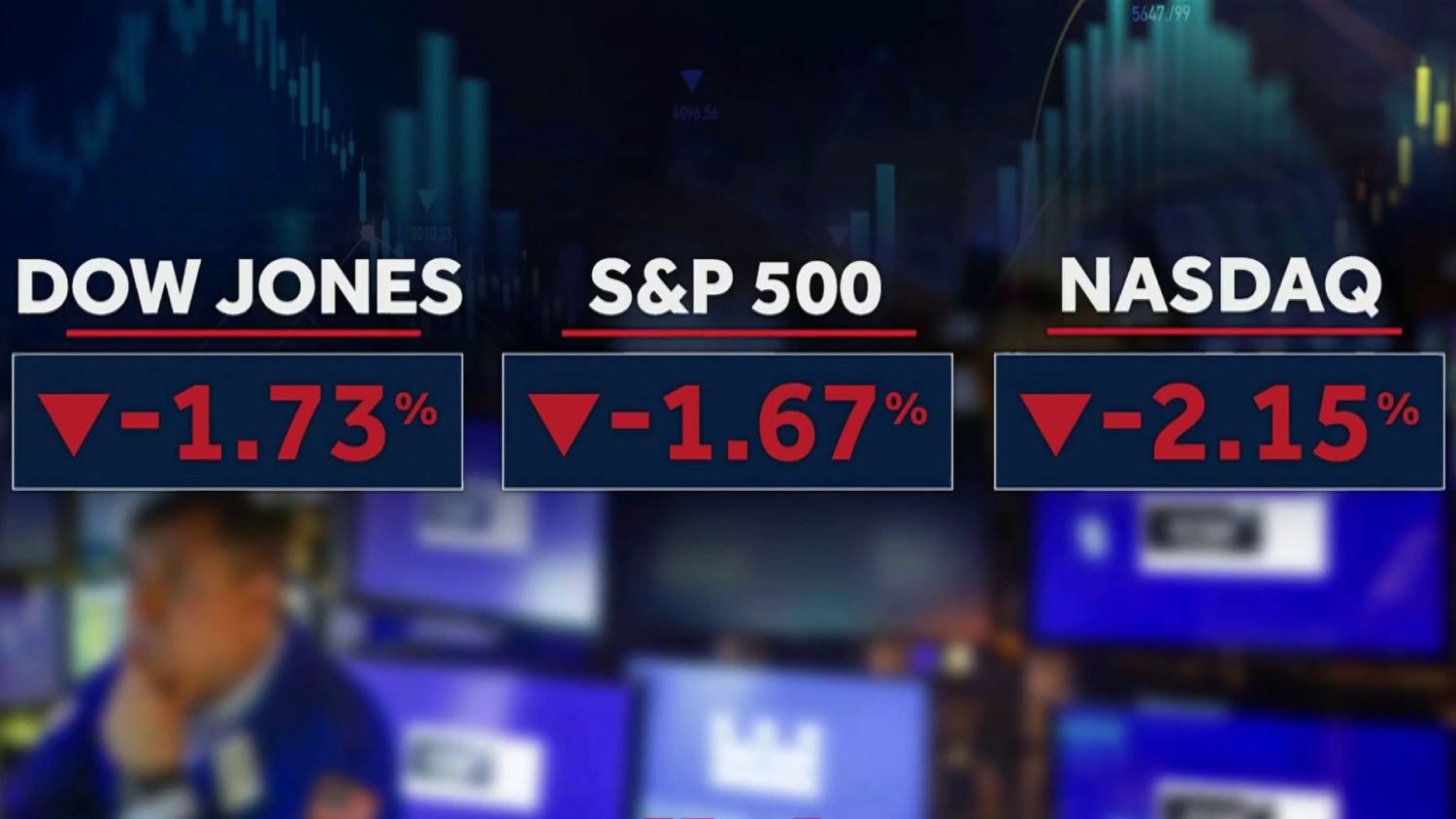
NEW YORK — Financial markets suffered a brutal sell-off on Friday, sending major stock indices tumbling and pushing U.S. crude oil past the psychologically critical $100-a-barrel threshold. The dramatic market downturn was triggered after an address by President Trump failed to calm mounting investor anxiety over severe geopolitical disruptions and escalating energy supply shocks.
According to primary reports from NBC News, the economic fallout stems from unprecedented bottlenecks in global energy infrastructure. The disruption to flows of oil and gas has been so substantial that corporate boardrooms, trading floors, and federal regulators are now scrambling to reprice risk across nearly every major sector of the global economy.
At a Glance: The Market Shockwave
- U.S. Crude Oil: Surged past $100 per barrel for the first time in the current cycle amid intensifying supply constraints.
- Equity Markets: Wall Street indexes experienced sharp intraday declines, wiping out billions in market capitalization.
- The Catalyst: President Trump’s high-profile address failed to offer concrete assurances or immediate relief to jittery institutional investors.
- Broader Impact: Supply chain bottlenecks are threatening to reignite inflationary pressures globally.
The Speech That Missed the Mark
Hopes had been high on trading floors ahead of the administration's scheduled address. Wall Street executives and institutional asset managers were looking for definitive policy measures, strategic petroleum reserve releases, or diplomatic breakthroughs to stabilize jittery commodities markets. Instead, market participants found the commentary short on immediate, actionable solutions.
“Markets were pricing in a roadmap, and what they received was rhetoric,” said a senior commodities strategist at a major New York investment bank, speaking on the condition of anonymity. “When energy flows are restricted to this degree, uncertainty becomes the most expensive commodity on the planet. Crossing $100 oil is a flashing red light for consumer price inflation.”
If this new reality sets in—characterized by sustained triple-digit energy costs and persistent supply chain blockades—it would stand in stark contrast to the moderate inflation trajectory the Federal Reserve had anticipated heading into the second quarter of 2026.
Energy Markets Under Siege
The energy sector remains the epicenter of the current crisis. Physical oil markets have tightened dramatically over recent weeks following severe pipeline and maritime transit disruptions. Traders report that physical barrels are commanding steep premiums as refiners fight for limited feedstock.
The breach of the $100 mark immediately reverberated through transportation, manufacturing, and consumer goods sectors. Airlines, logistics giants, and chemical producers bore the brunt of the equity sell-off, as rising fuel costs threaten to compress corporate profit margins heading into the upcoming earnings season.
| Asset / Index | Movement | Key Driver |
|---|---|---|
| U.S. Crude Oil (WTI) | Surged above $100/bbl | Substantial disruptions to global oil and gas flows |
| S&P 500 | Sharp Decline | Broad-based sell-off driven by inflation fears |
| Nasdaq Composite | Heavy Losses | Growth stocks pressured by rising Treasury yields |
| Energy Sector ETFs | Outperformed / Volatile | Benefiting from high commodity prices, tempered by risk-off sentiment |
What This Means for the Economy and Your Portfolio
As Wall Street digests the implications of a $100 oil environment, economists are revising their forecasts for monetary policy. The Federal Reserve, which had been weighing potential interest rate adjustments to support cooling growth, now faces a delicate balancing act. Persistent energy inflation could force central bankers to keep borrowing costs elevated for longer than investors care to stomach.
For everyday consumers, the ripple effects will soon appear at the retail pump, utility bills, and grocery store checkouts. Supply chain logjams, combined with high energy overhead, inevitably pass costs down to the end consumer.
Institutional portfolios are already pivoting toward defensive postures. Asset managers are rotating out of high-growth equities and into cash equivalents, short-duration Treasuries, and select defensive commodities to hedge against lingering volatility.
Frequently Asked Questions
Why did U.S. oil prices cross $100 per barrel?
The surge past $100 is driven by substantial and sustained disruptions to the global flows of oil and gas. Physical supply bottlenecks have outpaced current production capabilities, forcing refiners and traders to bid up available barrels.
How are financial markets reacting to President Trump’s address?
Wall Street responded negatively because the administration's remarks lacked concrete policy steps or immediate relief measures to address energy supply restrictions, leaving investors anxious about prolonged inflation and economic drag.