For decades, Wall Street analysts and national security strategists fixated on the digital vulnerabilities of the traditional trinity: banking networks, power grids, and defense contractors. But as capital allocation shifts toward hyper-automated, consolidated enterprise models, a far more fragile and insidious attack surface has emerged from the shadows. The American food supply chain—a sprawling, highly interdependent network stretching from Midwestern grain elevators to automated cold-storage distribution hubs—is under siege.
According to classified intelligence briefings, federal cyber-defense warnings, and exclusive interviews with top-tier cybersecurity incident responders, foreign-backed hacking syndicates and ransomware groups have systematically pivoted toward the agricultural and food processing sectors. This is no longer merely a story of opportunistic cyber extortion. It represents a calculated, asymmetric threat to macroeconomic stability, national security, and public health, forcing executives and risk mitigation officers to rethink infrastructure scalability and operational resilience from the ground up.
Executive Takeaways
- Systemic Vulnerability: The consolidation of agricultural conglomerates has created single points of failure across the farm-to-table continuum, making them prime targets for high-yield ransomware extortion.
- Operational Disruption: Cyberattacks targeting just-in-time logistics, automated milking operations, and meatpacking plants threaten immediate localized scarcity and long-term inflationary price spikes.
- Regulatory Reckoning: Federal agencies, including CISA and the USDA, are tightening compliance frameworks, forcing boards of directors to elevate cybersecurity from an IT issue to a core enterprise risk.
- Capital Allocation Shift: Agribusinesses are rapidly reallocating capital budgets toward zero-trust architecture, cloud-compute isolation, and offline data redundancy to protect operational continuity.
The Anatomy of a Modern Agribusiness Heist
Test Our Free AI & Tech Utilities Suite
Calculate LLM API token costs, analyze article dwell-time, or simulate tech DCA returns.
To understand the gravity of the threat, one must examine the fundamental architecture of modern American agriculture. Over the past twenty-five years, relentless cost pressures and consolidation have transformed family farms and regional processing plants into hyper-efficient, highly digitized corporate nodes. Today, a typical mid-sized grain distributor relies on complex Internet of Things (IoT) sensors, automated programmable logic controllers (PLCs), and cloud-compute architecture to track inventory, optimize transport logistics, and execute futures trading.
This operational efficiency, however, is purchased at the steep price of extreme fragility. When malicious actors infiltrate these networks, the consequences cascade instantly through the market liquidity of commodities. In May 2021, the world witnessed a sobering preview of this vulnerability when JBS SA, the world's largest meat processor, suffered a devastating ransomware attack attributed to the cybercrime gang REvil. The breach forced the shutdown of all U.S. beef plants, temporarily cutting off nearly a quarter of American meat production, spiking wholesale prices, and sending shockwaves through commodity exchanges.
Subsequent investigations by the Federal Bureau of Investigation (FBI) revealed that the attackers exploited outdated legacy systems running on remote-desktop protocols—a common vulnerability in an industry where legacy hardware often outlives its vendor support lifecycle. The attack underscored a brutal reality: hackers do not need to compromise the Pentagon to disrupt daily life in the United States; they simply need to lock the digital doors of a dozen major slaughterhouses, fertilizer plants, or cold-storage facilities.
From Financial Extortion to Geopolitical Sabotage
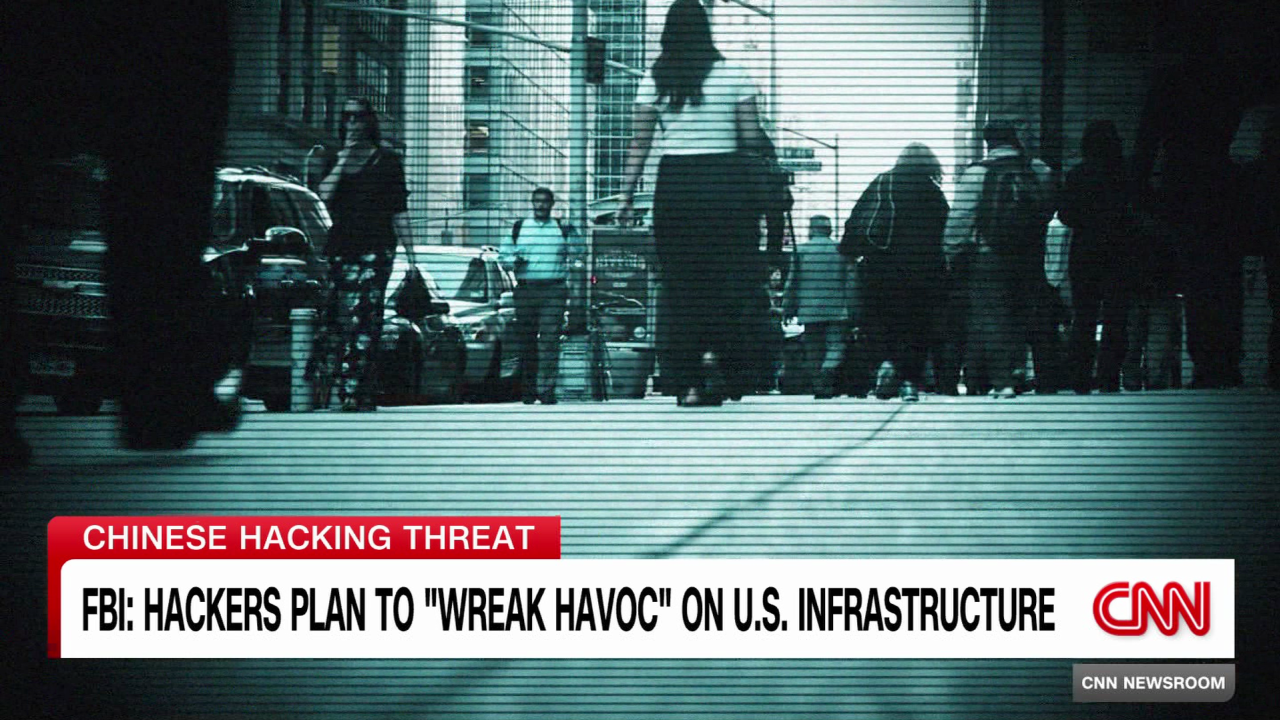
While the vast majority of food-sector cyberattacks are financially motivated—executed by Eastern European ransomware syndicates operating under the double-extortion model of data encryption and public leak threats—counterintelligence officials are increasingly tracking state-sponsored incursions. Advanced persistent threat (APT) groups linked to nations like China, Russia, Iran, and North Korea have been observed mapping out American critical infrastructure, including water treatment facilities tied to agricultural irrigation and food processing plants.
In cybersecurity circles, this is known as "pre-positioning." By embedding malicious code deep within the industrial control systems (ICS) of food distribution networks, hostile foreign actors create strategic leverage. In the event of geopolitical escalation—such as a conflict over Taiwan or sustained escalation in Eastern Europe—these dormant digital time bombs could be detonated to manufacture domestic panic, sever food distribution channels, and strain federal emergency response capabilities.
This evolving threat landscape has fundamentally altered risk mitigation calculus for executive leadership teams. Enterprise risk management (ERM) frameworks that previously treated cybersecurity as a localized compliance hurdle must now account for catastrophic tail-risk events that can decimate a corporation's equity valuation overnight.
Verified Data and Incident Metrics
The acceleration of cyber threats against the agricultural sector is quantitatively verified by a surge in federal incident reports, insurance premium adjustments, and regulatory enforcement actions. The following breakdown illustrates the scale and trajectory of these attacks over recent reporting cycles.
| Target / Incident Category | Primary Attack Vector | Average Financial Impact | Regulatory & Market Response |
|---|---|---|---|
| Meatpacking & Processing (e.g., JBS, Marfrig) |
Ransomware, Phishing, Legacy RDP Exploits | $11M – $35M+ per incident (downtime & extortion) | Mandatory CISA incident reporting within 72 hours. |
| Grain Elevators & Co-ops (e.g., New Cooperative) |
BlackMatter Ransomware, Supply Chain Third-Party Access | $5M – $15M; localized supply chain freeze | FBI warnings; tightening of vendor cybersecurity audits. |
| Cold Storage & Logistics (Perishable Freight) |
IoT/SCADA Vulnerabilities, Credential Stuffing | $2M – $8M (spoilage, contract penalties) | Shift toward segregated operational technology (OT) networks. |
| Agri-Chemical & Fertilizer (Mosaic, CF Industries) |
Spear-phishing, APT Pre-positioning | Incalculable (threat to national crop yields) | Direct Department of Homeland Security (DHS) oversight. |
Industry Implications: Winners, Losers, and Economic Fallout
The convergence of aggressive cyber threats and critical infrastructure fragility is driving a massive reallocation of capital across the global food sector. Market participants are finding that cybersecurity is no longer a peripheral expense, but a core determinant of corporate valuation multiples and investor confidence.
The Winners: Enterprise cybersecurity vendors specializing in industrial control system (ICS) protection, zero-trust architecture, and automated threat hunting are experiencing unprecedented demand. Firms offering air-gapped data backup solutions and rapid incident response retainers are seeing strong revenue growth. Furthermore, large-scale agribusiness conglomerates with deep pockets are successfully absorbing smaller, technologically obsolete competitors who can no longer afford the mounting compliance and insurance costs associated with basic operational security.
The Losers: Small-to-midsize farming cooperatives, independent grain elevators, and regional food distributors are facing a severe cost squeeze. Cyber insurance underwriters have dramatically tightened underwriting criteria, introducing steep premium hikes, higher deductibles, and exclusionary clauses for ransomware attacks originating from sanctioned foreign jurisdictions. Many smaller operators are effectively priced out of comprehensive coverage, leaving them exposed to total operational collapse in the event of a breach.
From a macroeconomic perspective, the systemic risk is persistent food inflation. When cyberattacks freeze processing plants or halt distribution logistics, the resulting supply bottlenecks ripple downstream to grocery shelves. Consumers absorb these costs, while institutional investors increasingly price geopolitical and cyber risk into agricultural commodities futures.
Frequently Asked Questions (People Also Ask)
Are hackers actually able to stop the production of food in the United States?
Yes. While complete, nationwide starvation is an extreme scenario, hackers have repeatedly demonstrated the ability to completely halt production at major regional and national facilities. Attacks on companies like JBS and New Cooperative successfully forced the shutdown of slaughterhouses and grain distribution networks, proving that localized halts to production and temporary supply shortages are entirely feasible.
Why are hackers targeting the food supply instead of traditional targets like banks?
Financial institutions have spent billions hardening their digital defenses over the past two decades, making them formidable targets. In contrast, the agricultural and food processing sectors have historically underinvested in cybersecurity, often relying on legacy operational technology (OT) systems that are relatively easy to infiltrate. Furthermore, because food is a perishable and time-sensitive commodity, companies under ransomware attack face immense pressure to pay extortion demands quickly to prevent catastrophic inventory spoilage.
What federal agencies are currently involved in protecting American agriculture from cyber threats?
The Cybersecurity and Infrastructure Security Agency (CISA) serves as the lead civilian cybersecurity agency, working alongside the Federal Bureau of Investigation (FBI), the Department of Homeland Security (DHS), and the U.S. Department of Agriculture (USDA). These agencies collaborate to issue threat advisories, share actionable intelligence with private sector executives, and enforce reporting mandates for critical infrastructure operators.
How can agricultural businesses improve their resilience against sophisticated ransomware attacks?
Agribusinesses are increasingly adopting a multi-layered defense strategy: implementing zero-trust network architecture, separating corporate IT networks from industrial control systems (OT), maintaining immutable and offline data backups, conducting routine employee phishing awareness training, and partnering with specialized incident response firms to ensure rapid threat containment.
Future Outlook: What Comes Next
As we look toward the horizon, the intersection of food security and national cybersecurity will only intensify. The deployment of artificial intelligence in both offensive cyber operations and defensive monitoring will accelerate the speed of cyber conflict. Hackers are already leveraging generative AI to craft hyper-realistic, targeted spear-phishing campaigns that bypass traditional email filters, while defenders deploy automated machine-learning models to isolate anomalous network behavior in real time.
For executive leadership teams and boards of directors across the agribusiness ecosystem, the mandate is clear. Capital allocation strategies must prioritize digital resilience alongside physical supply chain optimization. Regulatory compliance will continue to tighten, moving from voluntary guidelines to strict, enforceable federal mandates. Those companies that fail to modernize their cloud compute architecture, secure their IoT and OT endpoints, and build robust risk mitigation protocols will find themselves dangerously exposed—not only to aggressive cyber syndicates, but to the unforgiving judgment of the market.