Executive Takeaways
- The Strategic Pivot: Anthropic is actively assembling an in-house custom AI chip design team to engineer proprietary silicon specifically optimized for its Claude frontier models, aiming to bypass the prohibitive "Nvidia tax."
- CapEx Pressure: Nvidia’s next-generation server racks have reached price tags exceeding $3 million, forcing hyperscalers and tier-1 AI labs to reassess their capital allocation and seek massive infrastructure scalability alternatives.
- The Alliance Dilemma: While Anthropic remains deeply tethered to Amazon Web Services (AWS) and Google Cloud for infrastructure, building an in-house silicon team represents a critical risk mitigation strategy to prevent single-source cloud lock-in and boost long-term valuation multiples.
- Foundry & IP Partners: To bring its custom Application-Specific Integrated Circuits (ASICs) to fruition, Anthropic is positioned to collaborate with custom silicon design giants like Broadcom or Marvell, relying on TSMC’s cutting-edge packaging technologies.
The Silicon Bottleneck: Anthropic’s High-Stakes Leap Into Hardware

In the hyper-competitive arena of generative artificial intelligence, the battle lines are shifting from algorithmic superiority to the brutal physics of compute infrastructure. Anthropic, the high-profile AI safety and research lab behind the Claude family of models, has quietly initiated plans to build its own custom AI chip design team. According to industry insiders and recent hiring patterns, this move signals a definitive evolution in Anthropic's corporate strategy, transitioning the firm from a pure-play software and model developer into an integrated hardware-software pioneer.
This structural pivot comes at a defining moment for the macroeconomic landscape of artificial intelligence. As frontier models scale exponentially, the cost of training and deploying these systems has ballooned. For Anthropic, which secured billions in capital commitments from tech giants Amazon and Google, reliance on external silicon providers presents a compounding threat to its gross margins and long-term enterprise ROI. By seeking to design its own chips, Anthropic joins an elite tier of technology giants—including Apple, Google, Meta, Microsoft, and Amazon—intent on wrestling control of their hardware supply chains away from Nvidia.
The Catalytic Event: The Exorbitant Toll of the Nvidia Monopoly
The catalyst for Anthropic’s aggressive entry into semiconductor design is the soaring, near-unsustainable cost of third-party hardware. Nvidia’s dominant market share in data center GPUs has allowed the semiconductor giant to command gross margins approaching 80%. Its most advanced server racks—integrating cutting-edge architectures like Blackwell and its successor platforms—now carry price tags that could easily exhaust the liquid capital of even well-funded startups. For a firm like Anthropic, which requires tens of thousands of GPUs to train its next-generation Claude models, the status quo represents a critical bottleneck to enterprise scalability.
Moreover, the physical limitations of off-the-shelf silicon present technical hurdles. Standard GPUs are engineered as general-purpose accelerators capable of handling a broad spectrum of parallel computing workloads. Anthropic’s workloads, however, are highly specialized, dominated by specific transformer model architectures, mixture-of-experts (MoE) routing algorithms, and agentic workflows. General-purpose GPUs waste considerable silicon area and power budget on instruction sets that Anthropic's workloads never utilize. A bespoke ASIC, engineered from the ground up to execute Claude’s specific mathematical operators, promises order-of-magnitude improvements in energy efficiency, processing latency, and throughput.
Inside Anthropic’s Silicon Strategy: Designing the Claude ASIC
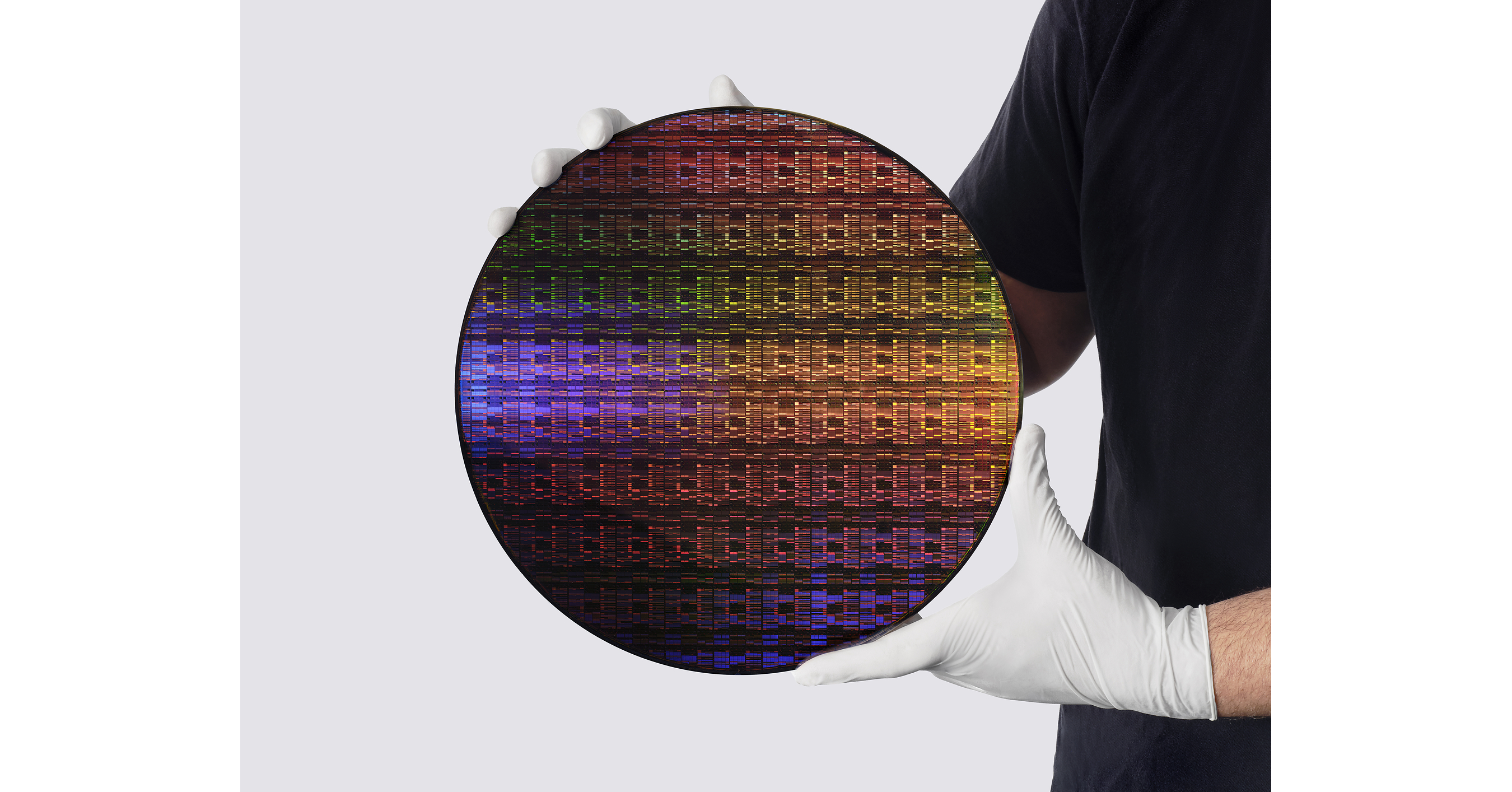
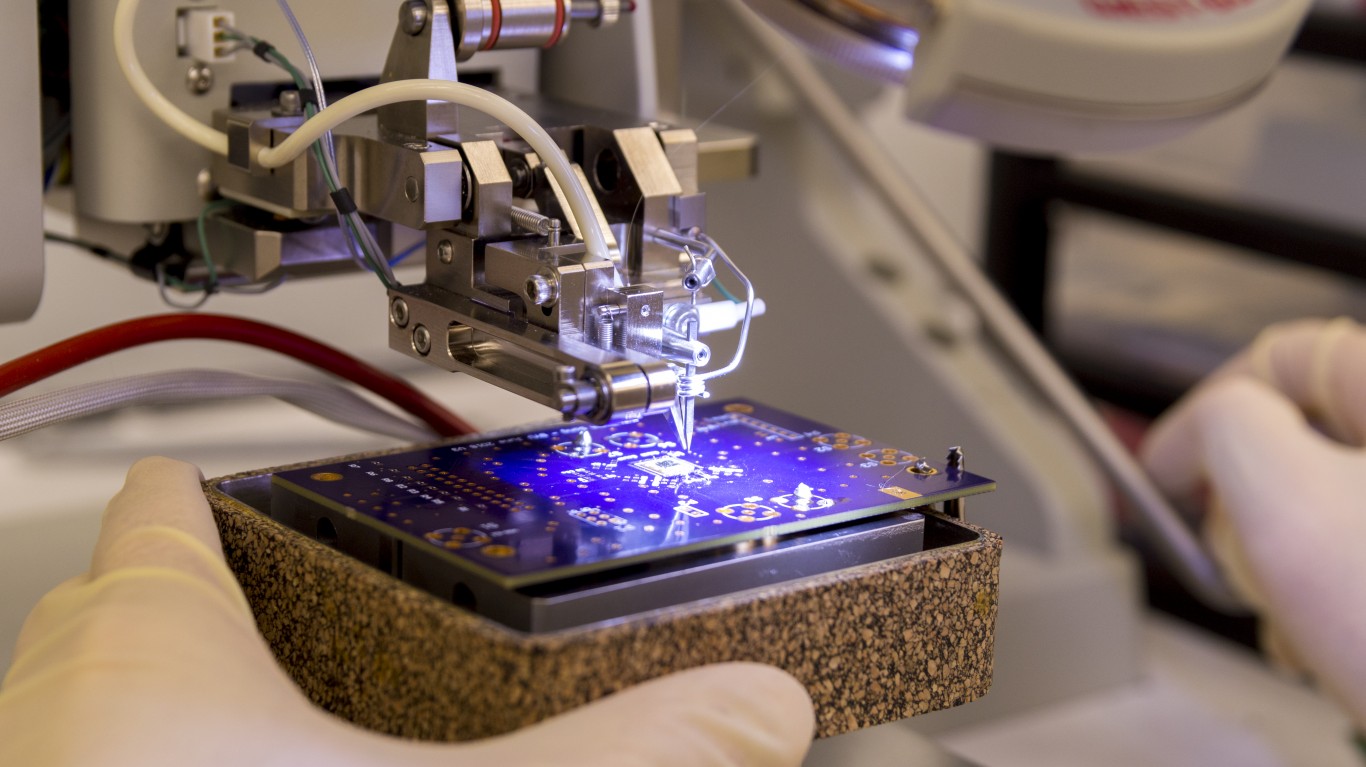
Developing a proprietary semiconductor from concept to tape-out is one of the most capital-intensive endeavors in the modern industrial world. It requires elite, highly compensated hardware engineers, expensive Electronic Design Automation (EDA) software licenses from the likes of Synopsys and Cadence, and guaranteed access to advanced lithography nodes from Taiwan Semiconductor Manufacturing Company (TSMC).
Industry analysts point out that Anthropic is unlikely to design a chip entirely from scratch. Instead, the firm is expected to adopt a co-design methodology, utilizing proven silicon IP blocks and partnering with physical design services. This approach allows Anthropic to focus its engineering resources on the proprietary compute engine—the core matrix multiplication units and on-chip SRAM interconnects—while outsourcing standard interfaces like PCIe Gen 6, HBM3e/HBM4 memory controllers, and ultra-high-bandwidth chiplet interconnects to specialized design houses like Broadcom or Marvell.
This strategy also has profound implications for Anthropic’s cloud compute architecture. Because Anthropic is heavily backed by Amazon (which has committed up to $8 billion in capital) and Google, any in-house silicon must seamlessly integrate with existing cloud infrastructures. Amazon’s Annapurna Labs (the division behind AWS Trainium and Inferentia) and Google’s TPU team represent both partners and competitors in this space. By building its own chip team, Anthropic maintains critical leverage, ensuring it can dictate the precise specifications of the hardware it leases or co-develops with these cloud hyperscalers.
Verified Infrastructure & Silicon Landscape
The table below outlines the current state of custom AI silicon, contrasting Anthropic's projected goals against existing market alternatives as of mid-2026:
| Chip Platform | Primary Developer | Target Workload | Key Technical Specifications | Strategic Limitations / Vendor Lock-in |
|---|---|---|---|---|
| Nvidia Blackwell / GB200 | Nvidia | General Transformer Training & Inference | TSMC 4NP, HBM3e, NVLink 5 (1.8 TB/s) | Extremely high premium, supply chain constraints, low buyer negotiating leverage. |
| Google TPU v5p / v6 | Google / Broadcom | Large-Scale Transformer Training | Custom ASIC, 3D Topology Interconnect, High-Bandwidth Memory | Exclusive to Google Cloud Platform (GCP); limits multi-cloud flexibility. |
| AWS Trainium 2 / 3 | Amazon (Annapurna) | Deep Learning Model Training | Custom architecture optimized for AWS EC2 UltraClusters | Tied strictly to AWS infrastructure; software stack maturity lagging behind CUDA. |
| Projected Anthropic ASIC | Anthropic (In-House / Co-designed) | Claude-Specific Inference & Agentic Execution | Tailored low-precision (FP4/FP8) matrix engines, optimized MoE routing | High initial design CapEx; reliant on TSMC packaging allocation (CoWoS). |
Industry & Market Implications: Who Wins and Who Loses?
Anthropic's decision to pursue custom silicon carries deep ramifications across the global technology value chain. The financial and strategic impacts will reverberate through semiconductor foundries, design service providers, and venture capital syndicates alike.
The Winners: Foundries, Design Services, and IP Licensors
The primary beneficiaries of this industry-wide rush toward custom silicon are the enablers of the semiconductor ecosystem. TSMC, as the undisputed leader in advanced foundry nodes (3nm and 2nm) and advanced packaging (CoWoS), stands to gain massive order volumes regardless of whether Nvidia or its customers design the chips. Similarly, silicon design giants such as Broadcom and Marvell will see increased demand for their ASIC development platforms, which drastically accelerate the time-to-market for specialized AI accelerators.
Intel Foundry Services (IFS) and Samsung Electronics could also find lucrative opportunities as secondary source foundries, provided they can successfully scale their advanced packaging capacities to meet the stringent thermal and bandwidth demands of modern AI silicon.
The Loses: Nvidia's Margin Monopoly
While Nvidia’s near-term earnings remain insulated by the insatiable, immediate demand for compute, the long-term threat to its absolute market dominance is real. As major AI labs—including OpenAI (which is also actively pursuing custom chip strategies) and Anthropic—transition their high-volume, predictable inference workloads to proprietary, application-specific silicon, Nvidia’s share of the highly profitable inference market will face structural erosion. While Nvidia will likely retain its crown for bleeding-edge, generalized training clusters, the highly lucrative volume market of enterprise-scale inference is increasingly vulnerable to specialized, cheaper in-house chips.
The Venture Capital and Valuation Multiples Impact
From a capital allocation perspective, investing in silicon design is a double-edged sword. On one hand, it significantly increases Anthropic's cash burn rate in the short to medium term. On the other hand, vertical integration dramatically de-risks the company's operating model. Investors evaluating Anthropic’s valuation multiples will look favorably upon a proprietary hardware stack that offers structural cost advantages. By lowering the marginal cost of serving Claude queries, Anthropic can dramatically improve its unit economics, paving the way for sustainable profitability and mitigating the risk of margin compression during an eventual market consolidation.
People Also Ask (FAQ)
Why is Anthropic building its own AI chips instead of using AWS or Google chips?
While Anthropic utilizes AWS Trainium and Google TPUs through its strategic cloud partnerships, building an in-house chip design team allows the company to create custom silicon architectures specifically engineered for its Claude models. This hyper-optimization improves processing speeds and reduces power consumption. Furthermore, designing its own chips acts as an essential risk mitigation strategy, reducing Anthropic's dependency on its primary investors' cloud platforms and giving them vital bargaining leverage.
How long does it take for a company like Anthropic to deploy a custom AI chip?
The typical lifecycle for designing, taping out, testing, and manufacturing a custom ASIC at advanced nodes (3nm or below) ranges from 18 to 36 months. Given that Anthropic is currently building out its core design team, the market should not expect to see proprietary Anthropic silicon running in production data centers before late 2027 or 2028. In the interim, they will continue to rely heavily on Nvidia GPUs and their partners' custom accelerators.
Will this move hurt Anthropic's relationship with Amazon and Google?
It is highly unlikely to rupture these relationships; rather, it will evolve them. Amazon and Google are well aware that the ultimate goal for tier-1 AI developers is full vertical integration. Anthropic's chip design team will likely collaborate closely with AWS's Annapurna Labs and Google’s infrastructure teams to ensure that any custom Anthropic silicon can be seamlessly hosted within their respective cloud compute architectures, satisfying regulatory compliance and enterprise security standards.
What are the biggest technical challenges Anthropic faces in designing its own silicon?
The primary hurdles are physical and logistical. First, securing allocation for TSMC's ultra-scarce Chip-on-Wafer-on-Substrate (CoWoS) packaging technology is incredibly difficult, as Nvidia, AMD, and the hyperscalers currently monopolize this capacity. Second, building a mature software compiler stack (similar to Nvidia’s CUDA) that can seamlessly translate high-level PyTorch code into low-level machine instructions for a proprietary chip is an immense engineering challenge that often takes years to perfect.
Future Outlook: The Era of the Vertically Integrated AI Giant
Anthropic’s push into custom silicon represents the realization of a fundamental truth in computing history: software eventualities always dictate hardware realities. Just as Apple realized that its software ambitions for the iPhone and Mac required proprietary "A" and "M" series silicon, the creators of frontier AI models are realizing that the path to true artificial general intelligence (AGI) cannot be paved solely with general-purpose GPUs.
As we look toward the late 2020s, the boundary between AI research labs and semiconductor companies will continue to blur. The winners of the AI race will not merely be the companies with the smartest algorithms, but those that successfully execute a vertically integrated strategy—co-designing the model architecture, the training datasets, the operating software, and the underlying silicon. Anthropic’s quiet entry into the semiconductor arena is a clear declaration that it intends to be one of the few giants standing when the dust of this technological revolution finally settles.