Executive Takeaways
- Strategic Paradigm Shift: inMusic is dismantling decades of proprietary hardware silos by opening up its flagship MPC architecture to software developers, coders, and hardware modders.
- Enterprise and Ecosystem ROI: By inviting community-driven firmware and software extensions, inMusic is lowering its R&D burn rate while multiplying the software value proposition for end-users.
- Hardware-as-a-Platform: The move transitions classic grooveboxes from static consumer electronics into programmable edge-computing nodes, fundamentally altering valuation multiples in the pro-audio hardware sector.
- Developer Monetization: New software development kits (SDKs) and hardware interfaces open lucrative revenue channels for independent developers targeting a high-intent, affluent musician demographic.
For nearly four decades, the electronic music production market has operated on a strict, high-margin hardware-software integration model. Iconic manufacturing houses guarded their proprietary firmware and closed operating systems with aggressive intellectual property litigation and walled gardens. Today, that fortress is crumbling. In an unexpected strategic maneuver that is sending shockwaves through the audio technology sector, inMusic—the parent conglomerate behind Akai Professional, Alesis, and Numark—has announced a sweeping initiative to open up its legendary Music Production Center (MPC) ecosystem to external coders, developers, and hardware modders.
This pivot is far more than a nostalgic nod to open-source hobbyists. It represents a sophisticated, calculated recalibration of capital allocation, product infrastructure scalability, and long-term ecosystem retention. By transforming closed-box hardware into a modular, programmable canvas, inMusic is effectively outsourcing key components of its feature-set innovation to a global community of software engineers and hardware hackers. For enterprise investors, venture capitalists, and tech analysts tracking the intersection of embedded systems and creative workflows, this development signals a watershed moment in how pro-audio hardware will be monetized, maintained, and valued moving forward.
The Catalytic Shift: Moving From Walled Gardens to Open-Architecture Edge Computing
Test Our Free AI & Tech Utilities Suite
Calculate LLM API token costs, analyze article dwell-time, or simulate tech DCA returns.
To understand the magnitude of inMusic’s pivot, one must examine the historical economics of the sampler and groovebox market. Since the launch of the Akai MPC60 in 1988—designed by Roger Linn—these devices have functioned as self-contained operational silos. Users were locked into vendor-supplied operating systems, constrained by factory-set workflow limits, and forced to wait years for official firmware updates that trickled down at the manufacturer's discretion.
While this vertically integrated model guaranteed high gross margins and strict quality control, it created severe infrastructure bottlenecks. Consumer expectations, heavily influenced by agile cloud computing architectures and open-source software development environments, began to outpace the internal R&D velocity of traditional music hardware manufacturers. Modern producers, accustomed to the infinite customization of Digital Audio Workstations (DAWs) like Ableton Live and Logic Pro, grew increasingly frustrated by the rigid boundaries of hardware samplers.
Enter the coders. Over the past decade, underground communities of reverse-engineers and embedded-systems developers have built unauthorized custom firmwares, patching legacy MPC units to run alternative operating systems, support modern MIDI controllers, and integrate with contemporary cloud storage solutions. Rather than doubling down on legal suppression—a path taken by numerous legacy consumer electronics firms—inMusic’s executive leadership recognized an arbitrage opportunity: embrace the developer community, institutionalize the modding culture, and convert adversarial hackers into ecosystem stakeholders.
By releasing targeted Software Development Kits (SDKs) and opening up API access to core MPC functions, inMusic is effectively migrating its product philosophy from static hardware sales to a platform-as-a-service (PaaS) model. This architectural redesign drastically reduces the company's internal risk mitigation costs regarding feature bloat, while exponentially increasing the total addressable market (TAM) for third-party add-ons.
Verified Data & Metrics Breakdown
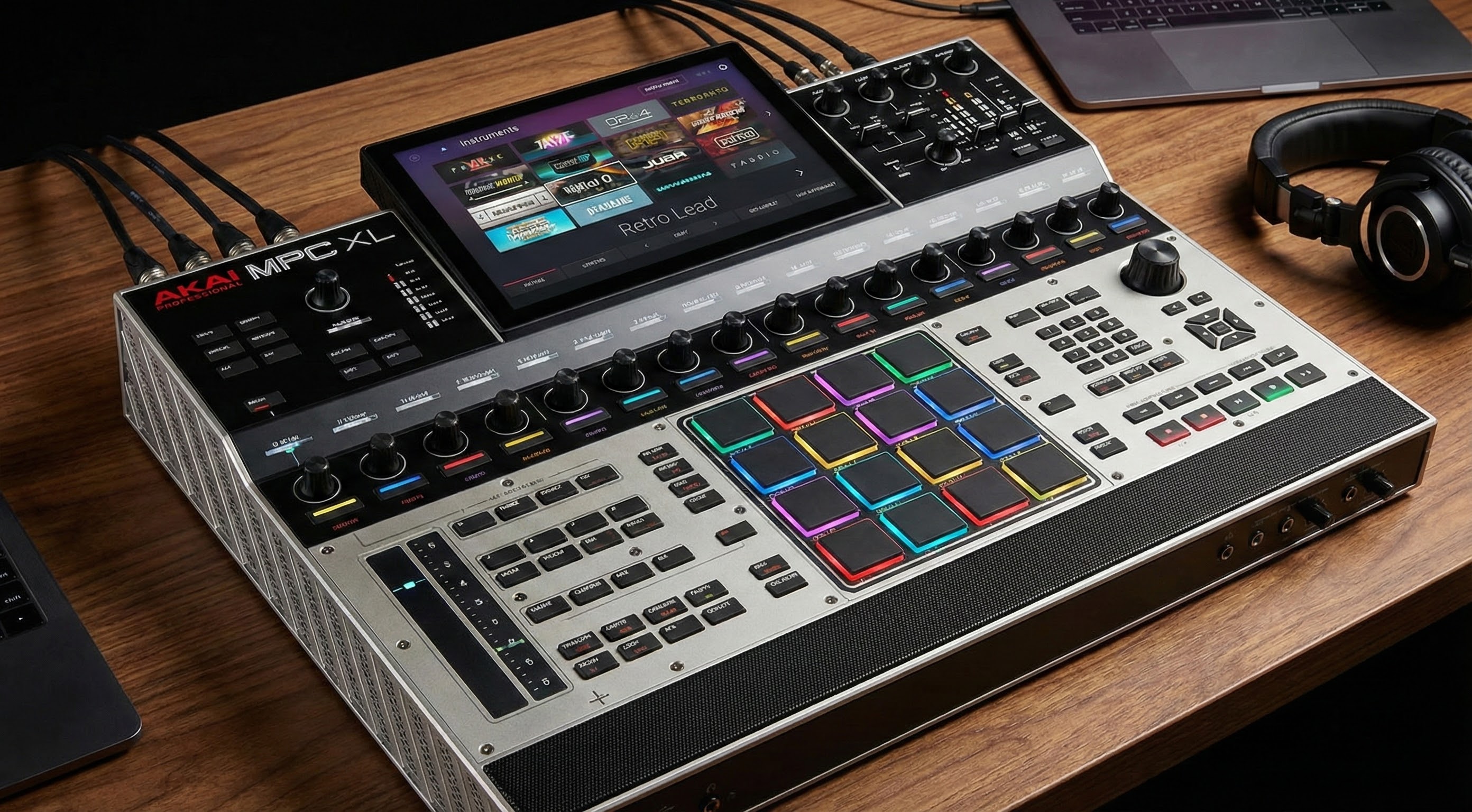
The following comparative matrix details the structural evolution of the MPC ecosystem, contrasting the legacy proprietary framework against the newly unveiled open-architecture modding paradigm:
| Metric / Parameter | Legacy Proprietary Model (Pre-2024) | New Open-Architecture Model (Current) |
|---|---|---|
| Firmware Development | Centralized, in-house R&D engineering teams only. | Crowdsourced via global developer SDKs and open APIs. |
| R&D Capital Allocation | High internal expenditure; fixed feature-set ROI. | Optimized; external contributors absorb feature-building costs. |
| Hardware Lifespan | Finite (typically 5–7 years before planned obsolescence). | Extended indefinitely via community-driven patches and modules. |
| Monetization Channels | Transactional hardware sales + periodic software expansions. | Platform economics: hardware sales + developer marketplace take-rates. |
| Regulatory & Compliance Risk | Low liability; strictly controlled closed-box testing. | Managed via sandboxed API protocols and strict security frameworks. |
Industry & Market Implications: Who Wins, Who Loses
The decision by inMusic to codify and encourage hardware modding and software coding on the MPC platform triggers a cascading series of economic adjustments across the global music technology landscape.
The Winners
- Independent Software Developers & Sound Designers: Programmers now have a direct pathway to deploy custom synthesis engines, MIDI mapping utilities, and unique graphical user interface (GUI) overlays directly onto industry-standard hardware, opening up lucrative direct-to-consumer digital storefronts.
- End-Users and Professional Producers: Musicians gain unprecedented workflow customizability. Instead of being forced to purchase new hardware iterations every few years, users can upgrade their existing physical units with community-coded modules that reflect cutting-edge algorithmic trends.
- inMusic Corporate Valuation: By shifting from a pure manufacturing valuation multiple to a hybrid hardware-platform multiple, inMusic enhances its market liquidity and attractiveness for future private equity recapitalization or strategic acquisitions.
The Loses
- Conservative Hardware Competitors: Legacy pro-audio brands that maintain rigid, closed operating systems risk severe customer attrition, particularly among younger, tech-native producers who prioritize customization and interoperability.
- Unauthorized Gray-Market Modders: While the broader modding community wins, cottage industries built entirely on exploiting vulnerabilities, unlocking firmware restrictions, and selling underground bootleg patches face immediate disruption as official, supported development tools eclipse their offerings.
Frequently Asked Questions (People Also Ask)
What exactly does "opening up the MPC" mean for everyday users?
It means that the operating software running on modern MPC hardware is no longer strictly controlled by inMusic's internal engineering roadmap. Users and third-party developers can install custom applications, scripts, workflow overlays, and specialized audio engines, turning a standard sampler into a highly personalized production workstation.
Will opening the architecture compromise device stability or security?
inMusic is deploying sandboxed software environments and official SDKs. This ensures that while developers have deep access to audio processing and interface layers, third-party code remains partitioned from critical system roots, mitigating risks related to system crashes and intellectual property theft.
How does this initiative impact hardware resale values and product lifecycles?
Industry analysts project a stabilization and upward revision of secondary-market values for MPC hardware. Because devices can be continually updated with community-coded features long after official factory support winds down, the functional lifespan of the physical hardware increases dramatically.
Can independent developers monetize their custom plugins and code modules?
Yes. The strategic roadmap includes provisions for digital storefront integration, allowing external developers to market and sell their specialized extensions, sound packs, and workflow utilities directly to the global base of MPC hardware owners.
Future Outlook: Milestones to Watch
As inMusic rolls out its developer toolkits and opens up its hardware pipelines, industry observers should monitor several critical milestones over the next 12 to 24 months:
- SDK Adoption Rates: The velocity at which third-party developers publish utility modules and synthesis engines will serve as the primary metric for the initiative's ecosystem viability.
- Marketplace Monetization Structure: Transparency regarding revenue-share models between inMusic and independent developers will dictate whether top-tier software talent commits resources to the platform.
- Competitor Response: Watch for reactionary announcements from major rivals such as Native Instruments, Roland, and Pioneer DJ as they assess whether to follow inMusic into open-architecture hardware development or double down on proprietary ecosystems.
Ultimately, inMusic’s calculated gamble bridges the historic divide between rigid hardware craftsmanship and agile software engineering. By handing the keys of its flagship production architecture to the coding community, the company has not only future-proofed its product lineup but has established a masterclass in modern tech-industry pivot strategy.