Executive Takeaways
- Direct White House Directive: President Donald Trump signed an executive order on May 19, 2026, compelling the Federal Reserve and federal banking regulators to dismantle barriers granting non-bank fintechs and digital asset firms direct access to master accounts and core payment rails.
- Institutional Paradigm Shift: The policy challenges the decades-long monopoly traditional commercial banks hold over foundational clearinghouse mechanisms like Fedwire and FedNow, fundamentally altering capital allocation and liquidity management across the sector.
- Systemic Risk vs. Innovation: While Silicon Valley venture capitalists and digital asset proponents hail the directive as a catalyst for enterprise scalability and lower transaction costs, legacy banking associations warn of amplified liquidity vulnerabilities and regulatory arbitrage.
- Market Liquidity Realignment: Institutional investors are rapidly reassessing valuation multiples for tier-one fintech unicorns, stablecoin issuers, and banking-as-a-service (BaaS) providers as the compliance landscape undergoes a historic transformation.
WASHINGTON — In a sweeping maneuver that tests the legal boundaries of central bank independence, President Donald Trump signed an executive order on May 19, 2026, directing the Federal Reserve and primary financial regulators to fundamentally overhaul access rules for the nation’s core payment infrastructure. The directive instructs the Board of Governors of the Federal Reserve System to establish a transparent, streamlined framework enabling non-depository fintech enterprises, specialized payment processors, and vetted digital asset institutions to secure direct Federal Reserve master accounts.
For decades, access to foundational settlement rails—specifically Fedwire, the National Settlement Service, and the real-time FedNow service—has been restricted strictly to federally insured depository institutions. This institutional gatekeeping forced non-bank financial technology firms to partner with traditional intermediary banks, a structural dependency that critics argue introduces systemic friction, inflates operating expenses, and compromises enterprise scalability. Today’s presidential decree initiates an aggressive administrative review, setting up a high-stakes constitutional and policy showdown between the executive branch and America’s central bankers over the governance of monetary plumbing.
The Catalytic Events: How the White House Forced the Fed’s Hand
The genesis of this executive order traces back years of mounting friction between Silicon Valley innovators and Washington’s prudential regulators. Throughout previous regulatory cycles, digital asset firms and pioneering payment startups repeatedly petitioned regional Federal Reserve banks for master accounts, only to encounter protracted delays, opaque application procedures, and eventual denials. Cases involving specialized crypto-custodial banks and state-chartered trust companies languished in administrative limbo for years.
The White House justification centers on enhancing market liquidity, driving down transaction fees for end consumers, and removing artificial bottlenecks that disadvantage American technology firms against international competitors operating in more progressive regulatory jurisdictions. According to senior administration officials speaking on the condition of anonymity, the current system grants legacy commercial banks an unearned economic toll-booth function over the nation’s monetary system.
By invoking executive authority over federal agency rulemaking under the Administrative Procedure Act, the White House has mandated that the Federal Reserve formulate objective, non-discriminatory criteria for master account access within 120 days. The order explicitly targets arbitrary gatekeeping, compelling regulators to prioritize technological neutrality and financial inclusion for digital-first financial architectures.
Anatomy of the Reform: Technical and Operational Ramifications
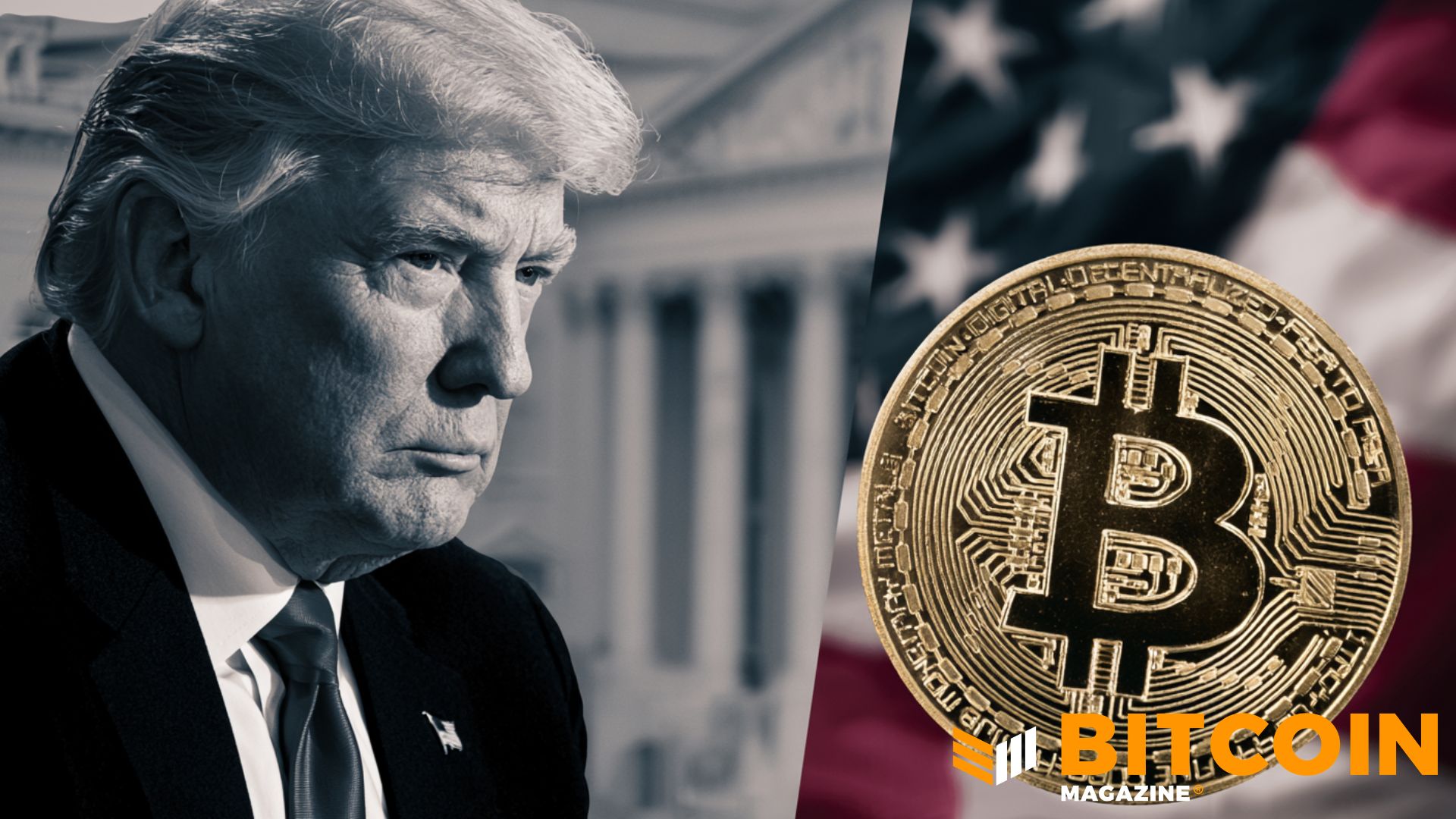
To understand the depth of this regulatory pivot, one must examine the mechanics of central bank master accounts. A master account functions as the ultimate checking account held by a financial institution at the Federal Reserve. Entities possessing these accounts can settle transactions instantaneously without relying on intermediary correspondent banks. This architecture underpins modern wholesale finance, foreign exchange settlement, and large-scale enterprise capital flows.
Opening these rails to non-bank fintechs and stablecoin issuers transforms cloud compute architecture and transaction processing speed across the financial ecosystem. Key technical and operational impacts include:
- Disintermediation of Correspondent Banking: Fintech platforms will no longer need to maintain complex, costly omnibus accounts through sponsor banks, drastically lowering marginal transaction costs.
- Real-Time Settlement Optimization: Integration with FedNow allows 24/7/365 liquidity management, eliminating overnight batch-processing lags that have historically hampered digital asset arbitrage and cross-border remittances.
- Enhanced Regulatory Compliance Frameworks: To qualify for direct access, non-bank applicants will face rigorous scrutiny regarding anti-money laundering (AML) protocols, cybersecurity resilience, and capital adequacy standards matching traditional bank baselines.
- Cloud and Infrastructure Scalability: Enterprise software providers specializing in banking-as-a-service (BaaS) anticipate a surge in API integration demands as client firms build direct connections to central bank endpoints.
Verified Data & Metrics Breakdown
The following table details the comparative metrics, institutional timelines, and operational shifts defining the post-executive order landscape for financial market participants:
| Metric / Parameter | Legacy Framework (Pre-May 2026) | Post-Executive Order Mandate (2026 & Beyond) | Strategic Impact |
|---|---|---|---|
| Eligible Master Account Holders | Federally insured banks & select credit unions | Expanded to vetted non-bank fintechs & crypto platforms | High (Democratization of base money) |
| Application Processing Timeline | Indefinite / No statutory deadlines (Often 2–5 years) | Strict 120-day review window per agency directives | Moderate (Accelerates market entry) |
| Settlement Intermediaries | Mandatory reliance on commercial sponsor banks | Optional; direct access to Fedwire and FedNow | Critical (Removes rent-seeking intermediaries) |
| Systemic Risk Oversight | Indirect supervision via state and federal bank charters | Direct federal auditing and liquidity stress testing | High (Imposes federal compliance burdens) |
Industry & Market Implications: Winners, Losers, and Economic Fallout
The ripple effects of Trump’s directive are reshaping capital allocation strategies across Wall Street and Silicon Valley. Financial institutions are rapidly recalculating valuation multiples based on shifting competitive dynamics.
The Winners
Independent fintech unicorns, enterprise payment networks, and tier-one digital asset infrastructure providers emerge as primary beneficiaries. Companies that previously relied on fragile sponsor-bank relationships can now secure direct institutional standing. Venture capital investment in compliance tech, regulatory software (RegTech), and blockchain interoperability protocols is projected to surge as institutional barriers dissolve.
The Losers
Traditional commercial banking institutions that built lucrative business lines around sponsoring fintechs and charging exorbitant interchange and clearing fees face severe margin compression. Additionally, regional banks that acted as exclusive conduits for crypto-adjacent firms will see deposit flight as clients migrate directly to central bank accounts.
Systemic Risk and Macroeconomic Concerns
Prudential regulators and central banking traditionalists voice profound apprehension regarding systemic stability. Critics argue that extending central bank liabilities to non-depository institutions during a liquidity crisis could expose the Federal Reserve to unprecedented counterparty risk. Furthermore, opponents caution that rapid onboarding of under-regulated entities could create blind spots in anti-money laundering enforcement.
Frequently Asked Questions (People Also Ask)
What is a Federal Reserve master account and why is it important for fintechs?
A Federal Reserve master account is the primary account an eligible financial institution holds with the U.S. central bank, granting direct access to core payment systems like Fedwire and FedNow without intermediaries. For fintechs, possessing a master account eliminates reliance on sponsor banks, drastically reduces transaction latency, and lowers operational overhead.
Does the executive order override the Federal Reserve’s independent authority?
While the Federal Reserve operates as an independent central bank, the executive order directs administrative agencies and regional Fed banks to revise their internal review guidelines in alignment with federal policy directives. This creates immense political and legal pressure, though it will likely face intense legal scrutiny regarding the separation of powers between the White House and monetary authorities.
How does this impact cryptocurrency and stablecoin issuers?
The directive allows fully compliant digital asset firms and stablecoin issuers to apply for direct central bank accounts, potentially legitimizing their reserves and streamlining the conversion between fiat currency and digital tokens. However, applicants must still clear rigorous risk mitigation, capital adequacy, and AML standards set by regulators.
What are the primary risks associated with opening payment rails to non-banks?
Critics and traditional banking associations warn that granting non-banks direct access to central bank money could increase systemic vulnerability during financial panics, drain deposits from commercial banks, and complicate the Federal Reserve’s execution of monetary policy.
Future Outlook: Critical Milestones and What to Watch
As the financial sector digests the full weight of the May 19 executive order, attention shifts immediately to implementation timelines and regulatory pushback. Over the next 90 to 180 days, market analysts and institutional investors will monitor several critical milestones:
- Federal Reserve Response: Watch for official statements from the Board of Governors regarding how the central bank intends to reconcile the White House directive with statutory risk-management obligations.
- Congressional Hearings: Anticipate subpoena-backed oversight hearings in the House Financial Services Committee and Senate Banking Committee to debate the legal boundaries of executive authority over monetary infrastructure.
- First-Wave Applications: Track which major fintech unicorns and digital asset custodians are first to formally submit streamlined master account applications under the new framework.
- Legal Challenges: Monitor potential litigation filed by traditional banking trade groups alleging overreach of executive authority under the Administrative Procedure Act.
The battle over America’s financial plumbing is no longer confined to academic debates or quiet regulatory corridors. With the White House forcing open the doors to the nation's core payment rails, the structural foundation of modern banking has entered a volatile and irreversible era of transformation.