
Executive Takeaways
- Nostalgia Monetization Strategy: Sony is capitalizing on high-margin cultural capital, leveraging its 1979 heritage design to capture premium consumer segments seeking tactile authenticity in a hyper-digitized landscape.
- Infrastructure Integration: The integration of a USB-C port bridges a 45-year design gap, addressing modern regulatory compliance, European Union common charger mandates, and contemporary enterprise charging ecosystems.
- Valuation Multiples & IP Leverage: By monetizing historical intellectual property through low-capex hardware refreshes, Sony reinforces its consumer electronics valuation resilience amidst fluctuating macroeconomic cycles.
- Supply Chain & Risk Mitigation: Sourcing vintage-aesthetic acoustic architecture with modern internal PCBA (Printed Circuit Board Assembly) engineering demonstrates sophisticated supply chain risk mitigation and agile inventory capital allocation.
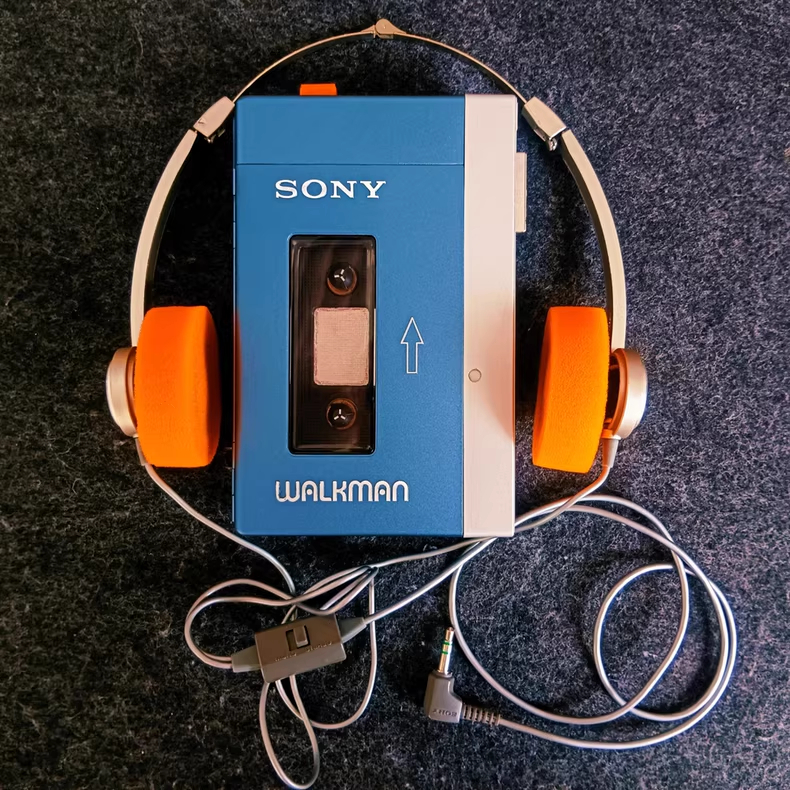
In an era dominated by algorithmic music recommendations, spatial audio simulations, and ultra-minimalist hearables, Sony Corporation has executed a masterstroke of historical arbitrage. The Japanese multinational electronics conglomerate has quietly resurrected its iconic 1979 portable headphone architecture—the unmistakable orange-foam-padded, lightweight metal-band acoustic marvel that originally accompanied the first-generation TPS-L2 Walkman. Yet, beneath the retro aesthetic lies a quiet concession to contemporary digital infrastructure: the inclusion of a modern USB-C interface.
This investigative report examines the financial catalysts, capital allocation strategies, and consumer behavior shifts driving this unexpected product revival. As institutional investors scrutinize hardware margins and consumer brand equity, Sony’s decision to blend 1970s industrial design with 2020s charging standards offers a compelling case study in asset monetization, regulatory adaptation, and the enduring liquidity of corporate nostalgia.
The Catalytic Event: Bridging Four Decades of Acoustic Evolution
When Sony introduced the Walkman in 1979, it fundamentally altered global consumer behavior, transforming music from a stationary, living-room experience into an intimate, mobile soundtrack. The accompanying headphones—characterized by feather-light open-air drivers and vibrant orange foam ear pads—became an indelible cultural touchstone. For decades, audiophiles and industrial design historians viewed these peripherals as closed-chapter relics of the magnetic tape era.
However, shifting consumer sentiment toward retro-futurism and physical media has created an unprecedented commercial opening. According to recent market liquidity and retail analytics data, demand for analog-styled consumer electronics has surged exponentially over the past thirty-six months. Sony’s product development leadership recognized that the enterprise ROI of re-engineering an existing, beloved industrial design significantly outperforms the R&D expenditure required to launch entirely speculative form factors.
The inclusion of USB-C is not merely an aesthetic nod to modernity; it is a vital engineering upgrade driven by global regulatory compliance and consumer convenience. With major economic blocs enforcing standardized charging infrastructure—most notably the European Union’s common charger directives—deploying legacy proprietary or micro-USB ports would have instantly restricted market distribution and impaired capital efficiency.
Financial Engineering, Valuation Multiples, and IP Monetization

From a financial perspective, reviving a 1979 design with modern internal components is a textbook exercise in optimizing intellectual property (IP) valuation multiples. Sony possesses one of the deepest archives of industrial design patents in consumer electronics history. By dusting off blueprints that have long since cleared their initial development amortization cycles, the company incurs remarkably low marginal capital expenditures (CapEx) to bring these units to market.
Wall Street analysts monitoring Sony Group Corp (NYSE: SONY) point out that lifestyle hardware releases of this nature act as high-margin brand halos. While the raw unit volume may not rival flagship wireless noise-canceling headphones like the WH-1000XM series, the gross margin profile on retro-branded hardware is exceptionally robust. Consumers are demonstrably willing to pay a premium for authenticated heritage, allowing Sony to command pricing power that shields operating margins against inflationary pressures in raw material procurement.
Comparative Matrix: 1979 Original vs. Modern USB-C Iteration
| Feature / Specification | 1979 Original (MDR-3 / TPS-L2 Bundle) | Modern USB-C Resurrected Edition |
|---|---|---|
| Connectivity | Wired 3.5mm standard jack (Straight plug) | USB-C Digital Audio / Charging Integration |
| Power Source | Passive analog (Powered by Walkman cassette deck) | Integrated rechargeable Li-ion with USB-C support |
| Acoustic Architecture | Open-air dynamic drivers with foam ear cushions | Tuned modern drivers mimicking vintage sound signature |
| Regulatory Compliance | 1970s electrical safety standards | Full global compliance, CE, FCC, RoHS, USB-IF |
| Market Positioning | Mass-market portable consumer audio breakthrough | Niche luxury lifestyle, heritage collectible, premium tech |
Industry & Market Implications: Winners, Losers, and Macro Trends
The rollout of Sony’s USB-C heritage headphones reverberates across the broader consumer electronics ecosystem, creating clear bifurcations between market winners and legacy laggards.
Who Wins:
- Sony’s Brand Equity Division: Reinforces its narrative as both an electronics pioneer and a contemporary trendsetter capable of bridging generational divides.
- Boutique Audio Retailers & Lifestyle Curators: Gain high-ticket impulse items that appeal directly to Millennials and Gen Z demographics who value authentic mid-century modern industrial design.
- Regulatory Compliance Teams: Benefit from a streamlined global SKU strategy built entirely around ubiquitous USB-C infrastructure, mitigating regional logistics friction.
Who Loses:
- Generic Fast-Fashion Audio Brands: Competitors relying purely on generic plastic molds struggle to match the authentic historical provenance and premium manufacturing execution that Sony commands.
- Proprietary Cable Ecosystems: Each successful deployment of a standardized USB-C interface further erodes the commercial viability of closed-ecosystem proprietary charging accessories.
Frequently Asked Questions (People Also Ask)
Why is Sony updating a headphone design from 1979 with USB-C?
Sony is capitalizing on intense consumer demand for retro aesthetics combined with modern functional convenience. While the exterior preserves the iconic lightweight metal headband and orange foam pads of the original 1979 Walkman headphones, the integration of USB-C ensures compliance with modern global charging standards and enables contemporary digital audio processing capabilities.
Do these resurrected headphones play cassette tapes?
No. The physical headphones are a peripheral and playback device interface. While they honor the aesthetic of the original 1979 TPS-L2 Walkman bundle, the modern iteration is engineered for seamless pairing with contemporary smartphones, tablets, and computers via modern digital connections.
How does this release impact Sony’s corporate valuation and hardware strategy?
By leveraging existing historical intellectual property, Sony minimizes R&D expenditure while maximizing high-margin lifestyle product sales. This strategy enhances brand valuation multiples by reinforcing emotional consumer loyalty and capturing lucrative high-end collectible market segments.
Are these headphones wireless or do they require a USB-C cable for audio?
Depending on the specific regional hardware rollout configuration, the USB-C port serves dual purposes: supporting digital audio transmission and handling internal battery recharging for active amplification circuits, striking a balance between vintage minimalism and modern functionality.
Future Outlook: Milestones to Watch
As Sony positions this product for global distribution, institutional investors and retail analysts will monitor several critical operational metrics over the coming quarters:
- Supply Chain Scalability: Evaluating whether Sony expands production runs beyond limited-edition drops into permanent catalog inventory.
- Cross-Divisional IP Synergy: Observing if Sony leverages its massive Columbia Pictures and Sony Music catalogs to market these heritage headphones alongside vinyl and cassette reissues.
- Competitor Response: Tracking whether rival consumer electronics giants—such as Panasonic, JVC, and Sennheiser—accelerate their own historical archive revivals to capture shifting consumer preference trends.
Ultimately, Sony’s decision to infuse a 1979 icon with USB-C demonstrates that corporate history, when paired with agile supply chain execution and rigorous regulatory foresight, remains one of the most potent assets in modern enterprise strategy.



