"This Could Only Exist in America": The Massive Culture Shocks Awaiting Millions of World Cup Fans Landing in the US
NEW YORK — As the sun beat down on the sprawling asphalt desert surrounding MetLife Stadium in East Rutherford, New Jersey, Ayoub Baghdad stood in disbelief. Clutching a plastic cup of lemonade gifted to him by a family of strangers from Ohio, the 28-year-old software engineer from Casablanca, Morocco, shook his head, took in the smoke from dozens of nearby barbecues, and laughed.
"I arrived in New York yesterday expecting a football tournament," Baghdad said, scanning the sea of massive pickup trucks, portable gazebos, and blaring country music. "Instead, I stepped into a giant, outdoor culinary carnival. This could only exist in America. In Europe or North Africa, we march to the stadium singing. Here, you buy a 40-foot recreational vehicle, grill prime ribeye steaks in the parking lot, and make 50 new friends before the referee even blows the whistle."
As the 2026 FIFA World Cup gets into full swing across 16 North American host cities, millions of international soccer fans are landing on U.S. soil. What they are discovering is a sporting landscape radically different from anything they have experienced in Madrid, Doha, or Buenos Aires. From the dizzying scale of "sportainment" to eye-watering consumer prices and baffling transit puzzles, America’s debut as a modern soccer superpower is delivering a profound culture shock to the global football faithful.
The Rise of "Sportainment": When Soccer Meets NFL Scale
For decades, international football culture has been defined by tribalism, neighborhood stadiums embedded in dense urban centers, and deep-seated local traditions. The U.S. model, heavily influenced by the National Football League (NFL), has completely rewritten the playbook. Foreign fans are finding that in America, the game itself is often just a secondary anchor for an all-day entertainment ecosystem.
The sheer scale of U.S. sports infrastructure is the first major shockwave for travelers. Many of the tournament’s venues are cavernous, billion-dollar NFL coliseums built not on historic city streets, but in sprawling suburban zones surrounded by acres of parking lots. This layout has birthed an uniquely American phenomenon that foreign fans are embracing with equal parts confusion and delight: the tailgate party.
- Radical Hospitality: Unlike the high-tension segregation of rival fans common in European leagues, American tailgating encourages opposing fanbases to mingle, share food, and play lawn games.
- Sensory Overload: Stadiums feature gargantuan 360-degree video boards, club-level swimming pools, and in-venue DJs that keep the volume at a constant crescendo.
- High-Octane Consumerism: From self-serve beer walls to high-end stadium sushi bars, the culinary options far exceed the standard meat pies and warm lagers of traditional European grounds.
The Infrastructure Conundrum: The Car is King
While the stadium experiences are drawing rave reviews, the journey to get to them is exposing a major logistical friction point for international visitors. Used to the seamless train networks of Germany’s Euro 2024 or the hyper-concentrated metro lines of Qatar’s 2022 World Cup, fans in the U.S. are grappling with vast geographical distances and a lack of robust public transit.
"We tried to walk to our hotel from the stadium area in Dallas," says Sergio Alvarez, a traveling fan from Bogota, Colombia. "We quickly realized there were no sidewalks—only eight-lane highways. We had to spend $80 on a rideshare just to cross the freeway. The scale of the distance here is genuinely terrifying if you do not have a car."
The Economics of the 2026 Fan Experience
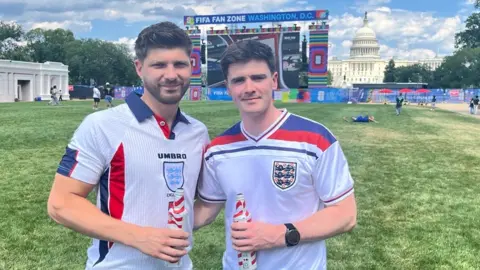
For global travelers, the economic reality of the American tournament has required major budget adjustments. While previous tournaments offered relatively uniform pricing structures, the highly commercialized U.S. market operates on dynamic pricing models that have sent the cost of attending matches soaring.
To put the financial landscape into perspective, the table below compares the average baseline costs of the fan experience across the last three major global soccer tournaments:
| Fan Metric (Average Cost) | Qatar 2022 | Germany (Euro 2024) | United States 2026 |
|---|---|---|---|
| Group Stage Ticket (Category 3) | $70 - $120 | $65 - $110 | $150 - $350 |
| In-Stadium Beer / Beverage | $13.50 (Limited) | $6.50 | $14.00 - $19.00 |
| Standard Mid-Range Hotel (Per Night) | $180 | $140 | $280 - $450 |
| Stadium Transit (Round Trip) | Free (with Fan ID) | $5 - $15 | $40 - $120 (Rideshare/Parking) |
A Tectonic Shift in Global Fan Expectations
Despite the steep prices and transit headaches, the consensus among arriving fans is overwhelmingly positive, driven largely by the famous warmth of American hospitality. Volunteers and local residents have gone out of their way to guide confused travelers, turning potential logistical nightmares into moments of cultural exchange.
For FIFA and global sports economists, this tournament represents a tipping point. The commercial success of the 2026 games is expected to generate record-breaking revenues, forever shifting how future World Cups will be monetized, organized, and experienced.
"I think soccer fans are realizing that America doesn't just host events; they put on a show," concludes Baghdad, as he prepares to head through the turnstiles. "It’s different, it’s expensive, and it’s loud. But honestly? I’ve never had this much fun going to a football match in my life."
Frequently Asked Questions
Why are international fans surprised by the location of U.S. stadiums?
In most parts of the world, football stadiums are built within city limits and are highly integrated with public subway and train networks. In contrast, many of the premier U.S. stadiums hosting the World Cup are situated in suburban areas designed primarily for automobile access, requiring extensive reliance on rideshares, rental cars, and charter buses.
Is tailgating allowed at all 2026 World Cup venues?
While local organizing committees have embraced the tailgating phenomenon, specific regulations vary by stadium and city. Most major venues with large open-air parking lots, such as those in Kansas City, Dallas, and East Rutherford, have dedicated massive fan-zones to accommodate this uniquely American pre-match tradition.