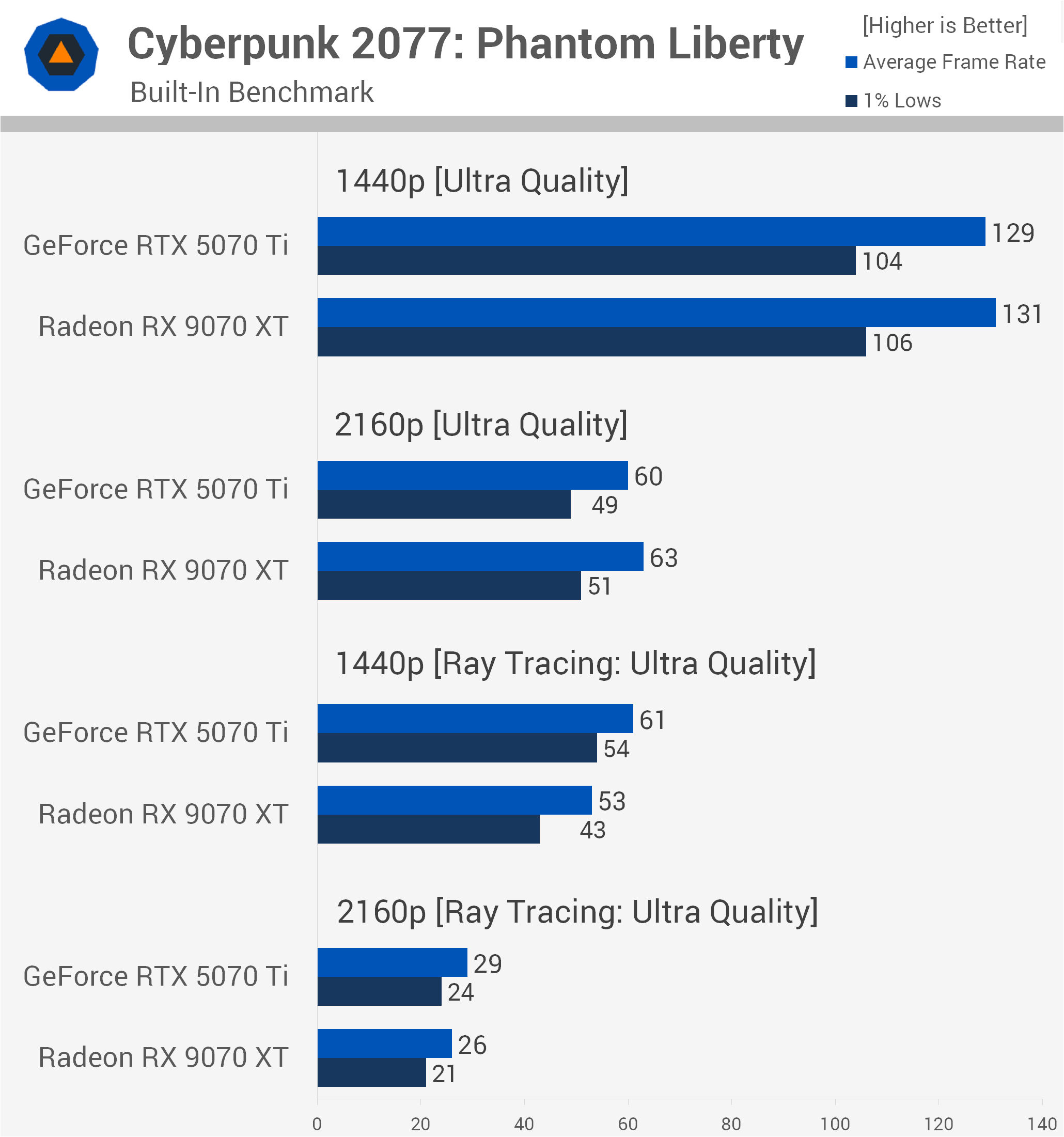
NEW YORK & BANGALORE — For millions of gamers, content creators, and enterprise workstations, the silicon upgrade cycle of 2026 has officially reached its fever pitch. According to recent comprehensive industry disclosures from primary wire sources including TechRepublic, the battle for desktop supremacy has narrowed down to two heavyweight contenders: Nvidia’s GeForce RTX 5070 Ti and AMD’s Radeon RX 9070 XT.
As these next-generation graphics processing units land on retail shelves, consumers are faced with a classic economic dilemma. Both cards deliver staggering performance leaps over their predecessors, handling high-refresh-rate 4K gaming, complex ray tracing, and localized artificial intelligence workloads with unprecedented ease. Yet, beneath their matching raw horsepower lies a stark divergence in pricing strategy, architectural philosophy, and ecosystem value. For institutional buyers and retail enthusiasts alike, choosing the right card in 2026 is no longer just about frame rates—it is about long-term capital efficiency.
The Battleground: Direct Comparison at a Glance
To understand the magnitude of this generational clash, one must look at how the specifications stack up side-by-side. Industry analysts tracking the semiconductor supply chain note that both Nvidia and AMD have pushed manufacturing nodes to their absolute limits to secure competitive margins while keeping retail price points palatable for the consumer market.
| Feature / Specification | Nvidia GeForce RTX 5070 Ti | AMD Radeon RX 9070 XT |
|---|---|---|
| Primary Architecture | Next-Gen Blackwell Evolution | RDNA 4 Advanced Node |
| Target Resolution | 4K Ultra / High-Refresh 1440p | 4K Ultra / High-Refresh 1440p |
| Ray Tracing Efficiency | Industry-Leading Hardware Cores | Significantly Closed Gap |
| Ecosystem Advantage | DLSS 4 / CUDA Dominance | Raw VRAM Value / Open Standards |
| Market Positioning | Premium Feature-Rich Upgrade | Aggressive Price-to-Performance |
Nvidia’s Strategic Edge: Software Mastery and AI Integration

Nvidia continues to command the psychological high ground in the graphics card market. With the rollout of the RTX 5070 Ti, Team Green has doubled down on its proprietary software suite. Industry insiders point out that buying an Nvidia card in 2026 is about much more than rasterization performance; it is an investment in an entrenched ecosystem.
"Nvidia has successfully positioned the 5070 Ti not merely as a gaming peripheral, but as an indispensable workstation tool," noted a senior tech hardware analyst monitoring the current market dynamics. "The integration of advanced neural rendering and cutting-edge DLSS technology gives it an insurmountable lead in titles that push hardware to the breaking point."
Furthermore, professionals relying on local generative AI models, video editing suites, and 3D rendering engines heavily favor Nvidia due to its mature CUDA architecture. For these users, the RTX 5070 Ti represents a safer, more predictable upgrade path.
AMD’s Counter-Punch: Raw Value and Open Architecture
Never one to cede market share quietly, AMD has answered with the Radeon RX 9070 XT, a card engineered to appeal directly to the pragmatic consumer. While Nvidia focuses on feature-rich software integration, AMD has targeted the bottom line—offering fiercely competitive rasterization performance and generous memory configurations that often outpace rivals in the same pricing tier.
Market observers note that AMD’s RDNA 4 architecture has made monumental strides in closing the ray tracing performance gap that plagued previous generations. By refining power efficiency and keeping manufacturing costs lean, AMD has managed to position the RX 9070 XT as the ultimate "gamer’s choice" for those prioritizing pure hardware value over proprietary software gimmicks.
- Aggressive Pricing Strategy: AMD undercuts comparable Nvidia configurations, delivering superior dollar-per-frame metrics in standard gaming workloads.
- VRAM Longevity: Higher baseline memory buffers ensure better future-proofing for heavily modded games and massive texture packs.
- Open-Source Commitment: FSR advancements and open software standards appeal heavily to users who reject vendor lock-in.
Executive Summary: Which GPU Wins Your Investment in 2026?
Deciding between the RTX 5070 Ti and the Radeon RX 9070 XT ultimately depends on your specific workflow and financial priorities. If your daily routine involves professional content creation, heavy machine learning tasks, and a strict requirement for the absolute best ray-tracing fidelity, Nvidia’s offering justifies its premium market positioning.
Conversely, if your primary objective is maximizing gaming performance per dollar spent while maintaining robust frame rates at high resolutions, the AMD Radeon RX 9070 XT stands out as the smarter, more economical upgrade for 2026.
Frequently Asked Questions
1. Are the RTX 5070 Ti and RX 9070 XT compatible with older motherboard standards?
Yes, both GPUs utilize standard PCIe slots and are backward compatible with previous-generation motherboards, though users should ensure their power supply units (PSUs) meet the recommended wattage and feature the necessary modern power connectors.
2. Which card offers better future-proofing for upcoming 2026 AAA game releases?
Both cards are built to handle the rigors of modern gaming titles well into the late 2020s. The RTX 5070 Ti offers superior longevity through advanced AI upscaling (DLSS), while the RX 9070 XT leans on raw hardware strength and larger memory buffers to sustain long-term performance.