NEW YORK / BENGALURU — The battle lines for the 2026 PC hardware upgrade cycle have officially been drawn. As consumers navigate an increasingly complex consumer electronics market, two graphics processing units are dominating boardroom discussions, enthusiast forums, and retail queues: Nvidia’s GeForce RTX 5070 Ti and Advanced Micro Devices' Radeon RX 9070 XT.
According to comprehensive industry data released by primary wire sources, these two heavyweights are locked in one of the tightest performance and pricing duels in recent memory. For millions of gamers, video editors, and local artificial intelligence developers looking to overhaul their rigs, the question of which card represents the superior investment has become the definitive hardware debate of the year.
As industry analysts and supply chain watchers track consumer sentiment, the stakes for both Nvidia and AMD are monumental. Let’s break down the full story, the underlying metrics, and what this means for your next tech purchase.
The State of Play in 2026: Why This Upgrade Cycle Matters
The PC hardware market has evolved rapidly over the past twenty-four months. No longer evaluated solely on traditional rasterized gaming framerates, modern GPUs are now judged as multi-faceted computational powerhouses. Ray tracing capabilities, tensor core efficiency for local AI agents, video encoding quality, and sheer generational value per dollar dictate market dominance.
The RTX 5070 Ti and Radeon RX 9070 XT emerge at a critical juncture. Buyers are increasingly discerning, dealing with broader economic pressures while demanding future-proof hardware capable of handling demanding AAA software titles and local machine learning workloads. Both Nvidia and AMD have brought their absolute A-game to the high-midrange tier — traditionally the sweet spot for the savvy consumer.
Key Executive Takeaways
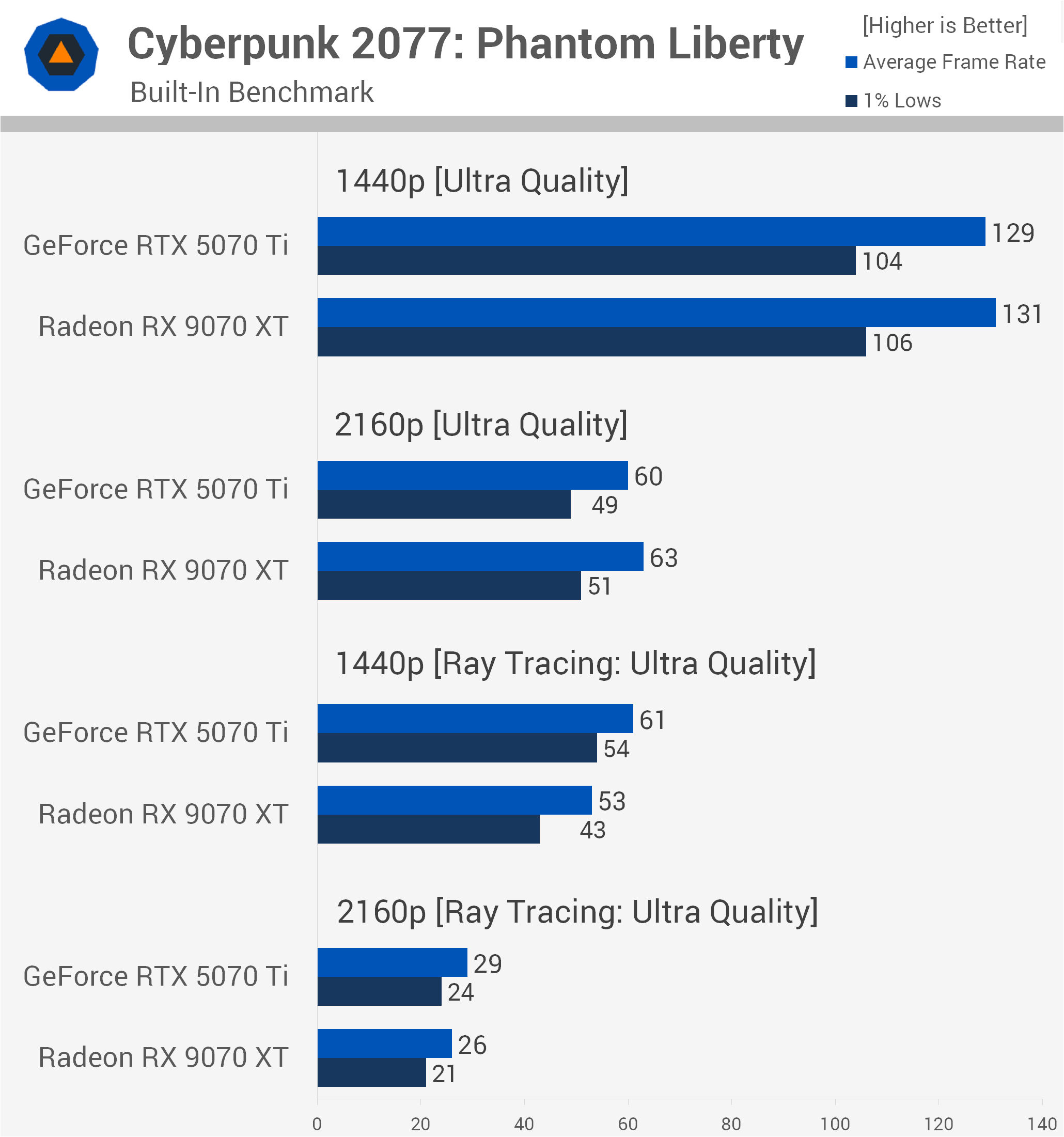
- Neck-and-Neck Performance: Initial benchmark reports indicate the RTX 5070 Ti and RX 9070 XT are remarkably closely matched in raw rendering capabilities.
- Ecosystem Divergence: Nvidia continues to lean heavily into proprietary software features, superior ray tracing, and AI dominance, whereas AMD emphasizes raw value, memory headroom, and open-source flexibility.
- Pricing Pressure: With retail MSRPs heavily scrutinized, minor price fluctuations or regional availability could swing the pendulum decisively in favor of either brand.
Head-to-Head: Breaking Down the Metrics

When stacking the RTX 5070 Ti against the Radeon RX 9070 XT, buyers must weigh distinct architectural philosophies. Industry benchmarks show that while raw rasterization performance yields razor-thin margins between the two, the user experience diverges significantly once specialized features are activated.
Market observers note that Nvidia’s architectural refinements in the RTX 50-series grant it a distinct edge in power efficiency and deep-learning super sampling (DLSS) iterations. On the flip side, AMD’s Radeon RX 9070 XT fights back with aggressive pricing strategies and substantial VRAM allocations, catering to enthusiasts who prioritize long-term asset buffering and high-resolution texture streaming.
| Feature / Metric | Nvidia GeForce RTX 5070 Ti | AMD Radeon RX 9070 XT |
|---|---|---|
| Target Audience | Enthusiasts, AI Developers, Ray Tracing Purists | Value-Conscious Gamers, High-Resolution Buffers |
| Primary Advantage | Advanced DLSS ecosystem, superior ray tracing | Competitive pricing, robust VRAM capacity |
| Market Positioning | High-Midrange Performance Leader | High-Midrange Value Champion |
| Ecosystem Focus | Proprietary CUDA and Tensor acceleration | Open-standard APIs and community flexibility |
What Industry Experts and Insiders Are Saying
Market analysts monitoring the semiconductor space emphasize that choice ultimately boils down to user priorities rather than a clear-cut winner. In statements echoing across recent tech briefings, hardware editors note:
"We haven't seen a competition this fierce in the $700-to-$900 bracket in years," notes one senior hardware analyst. "Nvidia is banking on its software moat—its tensor cores and upscaling tech are industry gold standards. AMD, however, understands the pulse of the consumer who wants maximum performance density without paying a premium for ecosystem lock-in."
Furthermore, enterprise and workstation users utilizing local AI agents or heavy rendering pipelines are watching closely. The integration of local LLMs into daily workflows means that GPU selection is no longer just about gaming; it is an investment in productivity infrastructure.
Future Outlook: Which Card Should You Buy?
As we move deeper into 2026, supply chain stabilization and driver updates will continue to refine the performance profiles of both the RTX 5070 Ti and the RX 9070 XT. Early adopters should weigh their specific software ecosystem requirements:
If your workflow heavily involves ray-traced gaming, professional content creation suites optimized for CUDA, or cutting-edge local AI model execution, the Nvidia GeForce RTX 5070 Ti remains the safer, albeit typically more expensive, default choice. Conversely, if your primary goal is maximizing frame rates per dollar in traditional gaming titles while enjoying generous memory headroom for future-proofing, the AMD Radeon RX 9070 XT stands out as an exceptionally compelling upgrade path.
Frequently Asked Questions
1. Are the RTX 5070 Ti and RX 9070 XT direct competitors in terms of pricing?
Yes. Both GPUs occupy the highly competitive high-midrange market segment. While minor regional retail variations exist, they target the exact same demographic of performance-conscious enthusiasts.
2. Which card is better for local AI development and machine learning tasks?
The Nvidia RTX 5070 Ti generally holds an advantage in AI workloads due to widespread industry optimization for Nvidia's CUDA architecture and dedicated tensor cores, though AMD continues to expand its ROCm software support.