FLASHPOINT RED SEA: Iranian-Backed Houthis Seize Strategic Island, Threatening $1 Trillion Global Shipping Corridor
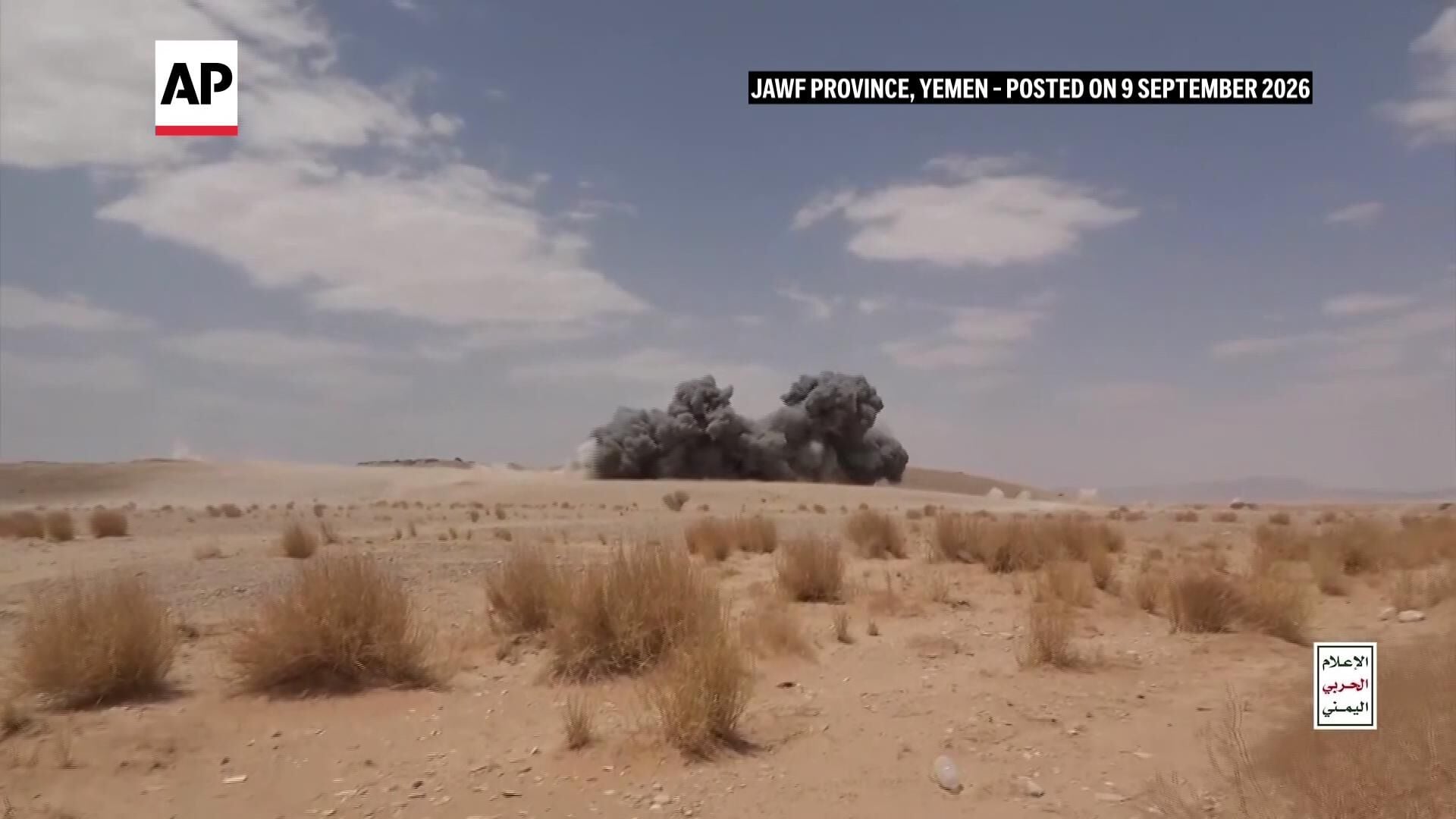
DUBAI — In a highly disruptive escalation that threatens to throw global energy and retail supply chains back into chaos, Iranian-backed Houthi rebels have captured a strategic island in the Red Sea. The amphibious seizure, confirmed by regional intelligence sources and maritime security monitors on Saturday, marks a dramatic pivot in the group’s tactics—shifting from remote drone and missile strikes to the physical occupation of vital maritime territory.
The capture of the island, located near key shipping channels in the southern Red Sea, directly imperils the Bab el-Mandeb Strait. This critical maritime choke point facilitates the transit of roughly 12% of global trade, including millions of barrels of crude oil and liquefied natural gas (LNG) daily. Security analysts warn that this tactical shift gives the militant group an unprecedented launchpad for close-range interdictions, potentially forcing global shipping conglomerates to permanently abandon the route.
A Shift in Tactics: From Air Strikes to Ground Occupation
For nearly two years, the Houthis have waged an asymmetrical campaign against commercial shipping, launching anti-ship ballistic missiles and one-way attack drones from the Yemeni mainland. However, the physical capture of this Red Sea island represents a significant upgrade in their operational capabilities.
According to maritime intelligence firm Ambrey, the operation was executed using fast-attack craft under the cover of darkness. The island, which previously hosted a small, isolated garrison of forces aligned with Yemen’s internationally recognized government, was quickly overrun. The rebels have reportedly begun deploying sea-skimming missiles, radar systems, and armed drones to the island, effectively extending their offensive reach deeper into the international shipping lanes.
"By occupying this landmass, the Houthis have established an unsinkable aircraft carrier at the gateway of the Red Sea," said Marcus Baker, Global Head of Marine & Cargo at Marsh. "This is no longer a threat you can mitigate solely with naval escorts. It alters the risk profile of the entire region, and maritime insurers are adjusting their models accordingly."
The Economic Fallout: Surging Surcharges and Diverted Cargo

The economic shockwaves of the seizure were felt immediately across global shipping hubs from Singapore to Rotterdam. Executives at major maritime carriers, including Maersk, MSC, and Hapag-Lloyd, are holding emergency meetings to assess the viability of continued transits through the Suez Canal corridor.
Currently, diverting a container ship around the Cape of Good Hope adds approximately 10 to 14 days to a voyage between Asia and Northern Europe. This detour consumes an extra $1 million in fuel per round trip and significantly reduces global shipping capacity by keeping vessels at sea for longer periods. Experts predict that the capture of the island will trigger a fresh wave of rate hikes, reminiscent of the supply chain crises of the pandemic era.
The table below highlights the immediate market impact on global shipping metrics following the escalation:
| Metric / Shipping Indicator | Pre-Seizure Baseline | Current Projections (Post-Seizure) | Percentage Change / Impact |
|---|---|---|---|
| Red Sea War-Risk Insurance Premium | 0.7% of vessel value | 1.5% to 2.0% of vessel value | +114% to +185% |
| Asia-to-Europe Container Freight Rate (FEU) | $4,200 | $6,500 - $7,200 | +54% to +71% |
| Daily Suez Canal Transits (Average) | 38 vessels | Fewer than 12 vessels | -68% (Rerouted via Africa) |
| Brent Crude Oil Price (Per Barrel) | $78.50 | $83.20 | +6.0% |
Geopolitical Standoff: Will the West Intervene?
The seizure represents a direct challenge to the U.S.-led coalition under Operation Prosperity Guardian, which has patrolled the Red Sea to defend commercial traffic. Despite hundreds of airstrikes conducted by American and British forces on Houthi military installations over the past year, the group’s offensive capabilities appear not only resilient but expanding.
Western intelligence officials suspect that the operation received direct logistical support and intelligence from Iranian surveillance vessels operating in the region. Tehran has consistently denied directly arming the Houthis, but defense analysts point out that the sophisticated maritime tactics used in the island's capture closely mirror those practiced by Iran’s Islamic Revolutionary Guard Corps (IRGC) Navy.
"We are looking at a permanent geopolitical chokehold," warned Dr. Jonathan Meade, a Middle East security specialist at the Royal United Services Institute (RUSI). "A military response to retake an island is vastly more complex than intercepting missiles in flight. It requires amphibious assault capabilities that regional allies are currently hesitant to deploy due to the risk of a wider regional war."
Executive Briefing: What Global Businesses Must Know
- Supply Chain Bottlenecks: Importers should brace for extended transit times of up to two weeks for goods moving between Asia, the Middle East, and Europe. Just-in-time inventory models must be recalibrated immediately.
- Inflationary Pressures: Increased fuel consumption and skyrocketing maritime insurance premiums will likely be passed down to consumers, threatening to reverse recent progress on global inflation targets.
- Energy Market Volatility: Tanker diversions are expected to tighten the supply of prompt-delivery crude in Europe, creating localized price spikes for diesel and gasoline.
- Contractual Disruption: Ship operators are expected to widely invoke Force Majeure clauses, leading to legal disputes over delivery delays and port-of-destination changes.
Future Outlook: A Fragmented Maritime Order
The geopolitical consensus that has guaranteed free and unhindered transit through the world's oceans for decades is rapidly fraying. If the Houthi occupation of the island is allowed to stand, it sets a dangerous precedent for other strategic waterways, from the Strait of Hormuz to the South China Sea.
As winter approaches and global energy demands rise, the pressure on Washington, London, and regional powers like Saudi Arabia and Egypt to mount a decisive counter-offensive will grow. For now, global commerce must adapt to a longer, costlier, and fundamentally more dangerous map.
Frequently Asked Questions (FAQ)
1. Why is the captured island so strategically important to global shipping?
The captured island sits adjacent to the primary shipping lanes of the southern Red Sea, near the Bab el-Mandeb Strait. By holding physical territory here, the Houthis can deploy land-based radars, optical surveillance, drone launchers, and short-range missiles directly on the water's edge. This eliminates the flight-time warning window that international naval warships rely on to intercept attacks, making it incredibly dangerous for commercial vessels to pass within range.
2. How are shipping companies and retailers responding to this development?
Most major shipping lines are bypassing the Red Sea entirely, opting for the longer route around Africa's Cape of Good Hope. Retailers are adjusting their supply chain timelines, ordering seasonal inventory weeks in advance, and preparing for higher freight surcharges. Some high-value cargo is being shifted to air freight or overland rail corridors across Central Asia, though these alternatives have limited capacity and carry significantly higher costs.