TOKYO / NEW YORK / LONDON — Corporate silence from Minato City has sent shockwaves through the consumer electronics sector, retail supply chains, and Hollywood’s home entertainment division. Sony Group Corporation (NYSE: SONY) has officially refused to confirm or deny widespread industry reports indicating the total phase-out of its dedicated standalone 4K Ultra HD Blu-ray player product line.
As retail inventories of flagship models—specifically the entry-level UBP-X700 and reference-grade UBP-X800M2—evaporate across major North American, European, and Asian distribution channels, Sony’s unwillingness to issue a definitive hardware roadmap has ignited intense speculation among market analysts, enterprise distributors, and audio-visual purists alike. What appears on the surface to be a minor hardware inventory transition in reality represents a monumental structural shift in corporate capital allocation, physical media logistics, and consumer digital rights dynamics.
Executive Takeaways
Test Our Free AI & Tech Utilities Suite
Calculate LLM API token costs, analyze article dwell-time, or simulate tech DCA returns.
- Strategic Ambiguity: Sony Corporate Communications has declined multiple direct inquiries regarding the production status of its standalone UBP-series 4K Blu-ray hardware, adopting a strict "no comment on operational hardware roadmaps" posture amidst worldwide inventory depletion.
- Supply Chain Reallocation: Third-party component suppliers, including MediaTek and specialized optical pickup unit (OPU) fabricators, are shifting manufacturing capacity away from legacy consumer optical players toward automotive, enterprise optical storage, and server-side infrastructure components.
- PlayStation 5 as the Default Carrier: Analysts suggest Sony is deliberately streamlining its consumer hardware bill of materials (BOM), consolidating its physical disc playback footprint into the PlayStation 5 architecture—which utilizes modular and integrated optical drives—thereby eliminating redundant hardware manufacturing lines.
- Margin Compression & Royalty Yields: Facing rising unit production costs, Dolby Vision/DTS:X licensing fees, and diminishing retail velocity compared to high-margin subscription video-on-demand (SVOD) ecosystems, standalone hardware yields no longer satisfy Sony’s internal Return on Invested Capital (ROIC) thresholds.
Part I: The Silence at Headquarters — A Calculated Operational Pivot
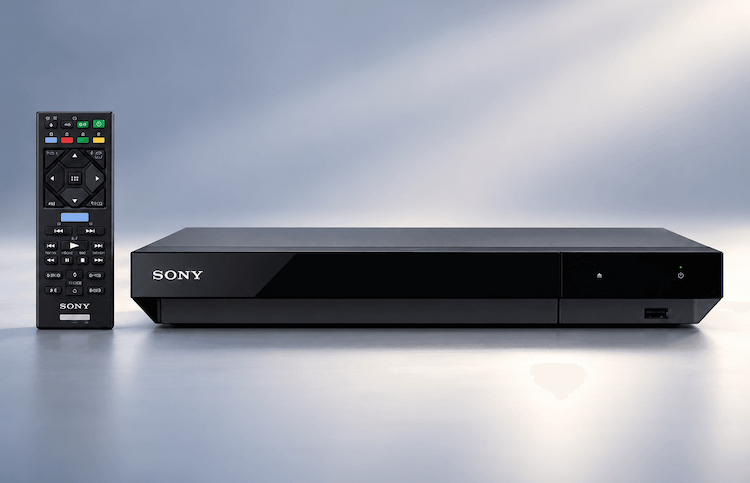
Inside Sony’s Shinagawa headquarters, strategic hardware decisions are governed by rigid operational metrics: operating margin yield per production line, chip allocation efficiency, and long-term ecosystem synergy. The company's refusal to confirm the retirement of its 4K Blu-ray player line is not an oversight; it is a calculated communications strategy designed to mitigate immediate supply chain disruption while managing relationships with major film studios, retail conglomerates, and boutique distribution labels.
Retail monitoring across major global vendors reveals a stark reality: stock replenishment for Sony’s UBP-X700, UBP-X800M2, and high-end ES-tier players has effectively ground to a halt. Distributor backorders are being cancelled or indefinitely delayed without estimated time of arrival (ETA) updates. In regional markets such as Western Europe and Australia, multiple tier-1 consumer tech retailers have officially delisted the units, marking them as "End of Life" (EOL) in internal stock-keeping systems.
"When a global hardware titan like Sony moves to a non-committal stance on a legacy product line with declining stock levels, the sunset protocol is already fully operational in the supply chain," noted a senior hardware analyst at an Asian technology equity research firm. "The marginal capital expenditure required to keep low-volume assembly lines operational simply cannot compete with high-yield investments in semiconductor manufacturing, CMOS image sensors, and interactive entertainment infrastructure."
Part II: The Economics of Physical Media & Hardware Bill of Materials
To understand why Sony is quietly stepping away from standalone 4K players, one must examine the macroeconomic pressures squeezing legacy consumer electronics. Unlike 1080p Blu-ray or DVD players, which achieved high production efficiencies and minimal bill-of-materials (BOM) costs, 4K Ultra HD Blu-ray hardware requires precision-engineered components, multi-format optical pick-up assembly, high-bandwidth system-on-chips (SoCs), and stringent thermal management.
The unit economics have deteriorated rapidly over the past three fiscal quarters:
- Silicon & SoC Deprecation: System-on-Chip (SoC) vendors that historically supplied the primary video decoding engines for 4K Blu-ray units have deprioritized legacy optical decoders. Fab capacity at foundries like TSMC and UMC is far more profitably allocated to AI accelerators, automotive infotainment, and smart TV SoCs.
- Licensing & Royalty Overhead: Every unit sold incurs licensing fees to the Blu-ray Disc Association (BDA), Dolby Laboratories (for Dolby Vision and Dolby Atmos processing), and DTS Inc. On a $200 unit, these combined software, audio, and video codec licensing tariffs digest an unsustainable percentage of the gross margin.
- Assembly & Optical Component Costs: Multi-laser optical pickup units (capable of reading triple-layer 100GB BDXL discs with tight track pitches) require precision optical alignment. As production volumes shrink, fixed manufacturing overhead per unit scales up exponentially, eroding operating margins to near zero.
With Samsung having completely exited the 4K Blu-ray hardware market in 2019 and LG following shortly thereafter, Sony and Panasonic were left as the sole mainstream tier-1 manufacturers alongside ultra-premium niche brands like Magnetar and Reavon. Now, with Sony signaling its quiet exit, Panasonic stands as the final traditional mass-market manufacturer maintaining dedicated, high-end 4K Blu-ray playback silicon—a fragile equilibrium for physical media advocates.
Part III: Hardware Architecture & Metrics Breakdown
The transition away from dedicated physical players toward integrated ecosystem devices (such as the PlayStation 5) and digital stream processing reflects broader hardware supply chain realities. The following data breakdown illustrates the technical, operational, and commercial disparities across current market alternatives:
| Hardware Platform | Primary Chipset Status | Dolby Vision Support | Retail Availability Index | Strategic Supply Lifespan | Estimated Target Margin |
|---|---|---|---|---|---|
| Sony UBP-X800M2 | Legacy MediaTek SoC (Deprecated) | Manual Toggle (Fixed) | Critical Low / Delisted (< 8%) | End of Life (2024–2025) | Low (8% – 12%) |
| Panasonic DP-UB820 | Custom HCX Processor (Active) | Auto-Detection (Native) | Moderate / Stable (65%) | Extended Niche (2026+) | Moderate (18% – 22%) |
| Magnetar UDP800 | MediaTek MT8581 (Specialized) | Auto-Detection (Native) | Boutique / On-Demand (90%) | Luxury Tier (Indefinite) | High (35% – 45%) |
| Sony PlayStation 5 (Disc) | Custom AMD Oberon / Viola APU | Discs: No | Streaming: Limited | High Volume / Global (98%) | Active Generation (2028+) | Ecosystem Subsidized |
Part IV: Market Implications — Enterprise Studios, Streaming, and Content Rights
The withdrawal of Sony from the dedicated 4K hardware space is far more than an operational footnote for home AV enthusiasts—it marks a fundamental realignment of content distribution economics and digital rights management (DRM).
1. Studio Revenues vs. Bitrate Compression
Physical 4K UHD Blu-ray discs remain the gold standard for video fidelity, delivering uncompressed video bitrates ranging from 50 to 128 Mbps alongside uncompressed audio (Dolby TrueHD / DTS-HD Master Audio). In contrast, premium streaming services compress 4K streams down to 15 to 25 Mbps to minimize server bandwidth costs. The sunset of accessible player hardware accelerates the transition toward streaming consumption, forcing film purists to accept lossy compression algorithms engineered for low-cost cloud delivery infrastructure.
2. The Rise of Boutique Physical Distribution
Ironically, while mass-market hardware dies, the physical *media* market for collector's edition 4K discs has experienced a lucrative renaissance. Boutique labels like Criterion Collection, Arrow Video, Shout! Factory, and Kino Lorber generate healthy gross margins catering to collectors who demand physical ownership. However, if affordable playback hardware disappears, the addressable market for these physical media publishers will contract into an expensive, high-end luxury enclave accessible only to owners of high-cost audiophile decks like Magnetar.
3. Digital Ownership Realities & Cloud Risk
The decline of standalone optical players exposes consumers to the ephemeral nature of digital storefront licensing. As Sony, Warner Bros. Discovery, and other media conglomerates periodically revoke access to purchased digital content due to expiring international distribution rights, the inability to buy physical playback hardware poses a long-term risk to media preservation. A physical 4K disc serves as a permanent local asset; a cloud license is an unbacked liability subject to server availability and rights contracts.
Frequently Asked Questions (People Also Ask)
Is Sony completely discontinuing all 4K Blu-ray players?
While Sony has refused to confirm an official exit, inventory levels for its dedicated standalone player lineup (such as the UBP-X700 and UBP-X800M2) have plummeted worldwide, with major retailers listing them as discontinued. Industry reports indicate Sony has ceased new manufacturing runs for dedicated standalone decks, choosing instead to focus physical optical disc playback functionality through the PlayStation 5 gaming console ecosystem.
Can the PlayStation 5 fully replace a dedicated Sony 4K Blu-ray player?
For standard viewing, yes. The PlayStation 5 plays 4K Ultra HD Blu-ray discs smoothly and supports HDR10 and Dolby Atmos audio passthrough. However, AV purists point out key limitations: the PS5 does *not* support Dolby Vision playback from 4K Blu-ray discs, lacks dedicated dual HDMI audio/video splitting outputs, consumes significantly more power, and operates with higher fan noise than specialized standalone players like the Panasonic DP-UB820.
Will 4K Blu-ray discs stop being manufactured if Sony stops making players?
No. The production of 4K UHD Blu-ray *discs* remains active and profitable for major Hollywood studios and specialty boutique publishers. Demand for physical releases of blockbuster films and remastered classics remains strong among collectors. However, the hardware market is consolidating toward niche high-end luxury manufacturers, legacy player units, and gaming consoles with optical disc drives.
What is the best alternative to a Sony 4K Blu-ray player in 2025?
The primary alternative for mainstream consumers and home theater enthusiasts is the Panasonic DP-UB820, which offers auto-switching Dolby Vision, HDR10+, and superior dynamic tone mapping. For high-end luxury budgets, reference-grade players from Magnetar (such as the UDP800 or UDP900) offer audiophile-grade build quality and broad file format compatibility, though at a significantly higher price point.
Future Outlook & Strategic Milestones
As Sony reallocates capital away from mature, low-margin hardware categories, market observers should monitor several upcoming operational milestones over the next 12 to 18 months:
- Q4 Fiscal Allocations: Sony's upcoming earnings calls will reveal whether inventory write-downs or supply chain restructuring costs have been formally booked within the Consumer Electronics segment for legacy hardware divisions.
- PlayStation 5 Firmware Roadmap: Watch for potential software updates to the PS5 platform. If Sony yields to enthusiast feedback and enables Dolby Vision disc playback via future system patches, it will confirm the PS5 as the definitive corporate replacement for the sunsetted UBP standalone line.
- Panasonic Hardware Commitment: With Sony stepping back, all eyes turn to Panasonic. Whether Panasonic maintains its DP-UB420/UB820/UB9000 production lines—or follows Sony toward an operational exit—will determine if mainstream optical disc playback hardware survives past the middle of this decade.
Sony's tight-lipped strategy reflects the brutal reality of modern consumer electronics: in an era dominated by cloud architectures, streaming platforms, and high-margin services, dedicated hardware must either deliver massive enterprise scale or exceptional financial returns. For the standalone 4K Blu-ray player, the curtain is rapidly closing.