Starship's Historic Leap Ushers in a New Era of Deep-Space Commerce and Discovery
WASHINGTON & BENGALURU — In a watershed moment for aerospace engineering and global capital markets, SpaceX’s latest Starship launch has successfully rewritten the physics of interplanetary travel. Transmitted live to millions across the globe via primary wire sources including Moomoo, the mission marks a definitive inflection point. Humanity is no longer merely gazing at the cosmos; we are actively building the logistical infrastructure to inhabit it.
For institutional investors, geopolitical strategists, and tech pundits alike, the successful flight is more than a technical triumph. It represents the opening salvo of a trillion-dollar space economy, unlocking unprecedented valuations across defense, telecommunications, material sciences, and off-world resource extraction. Here is your comprehensive WSJ and Economic Times executive briefing on the mission's top highlights, market implications, and what comes next.
The Mission at a Glance: Anatomy of a Breakthrough
The latest integrated flight test pulverized previous aerospace benchmarks. Designed to be fully and rapidly reusable—the holy grail of modern rocketry—Starship's architecture aims to reduce the cost per kilogram to orbit by multiple orders of magnitude. Industry analysts note that this capability alone shifts space exploration from a government-subsidized endeavor to a self-sustaining commercial marketplace.
Key Executive Takeaways
- Fully Reusable Architecture: Both the Super Heavy booster and the Starship spacecraft are engineered for rapid turnaround, mimicking commercial aviation logistics.
- Payload Capacity Redefined: Capable of hauling up to 150 metric tons fully reusable (and up to 250 expendable), the vehicle dwarfs legacy launch systems.
- Interplanetary Scale: The mission validated critical orbital refilling mechanics and thermal protection systems required for crewed Artemis lunar landings and future Martian transit.
- Macroeconomic Impact: Global supply chains for aerospace grade alloys, advanced avionics, and orbital services are experiencing an immediate surge in capital allocation.
Mission Metrics and Technical Specifications
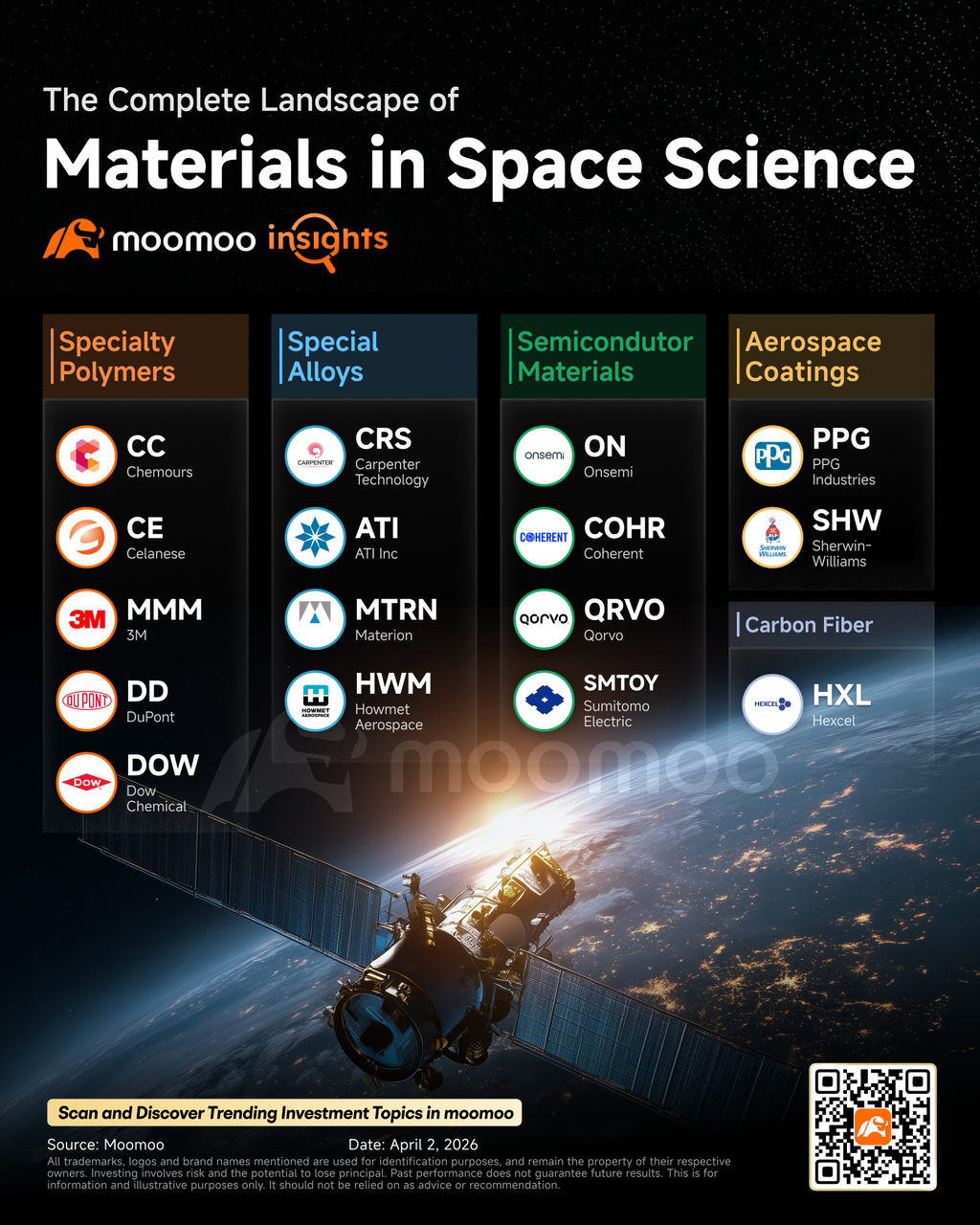
To understand the magnitude of the recent launch, one must look at the hard data. Below is a comparative snapshot of Starship's operational parameters versus legacy heavy-lift systems currently dominating commercial and defense portfolios.
| Metric / Feature | SpaceX Starship | Legacy Heavy-Lift Systems |
|---|---|---|
| Height | 121 meters (397 ft) | ~65 to 98 meters |
| Payload to LEO | 150–250 metric tons | 20–64 metric tons |
| Propulsion | Raptor (Methane/Liquid Oxygen) | Kerosene / Liquid Hydrogen |
| Reusability | 100% Fully Reusable | Partial (Booster only or Expendable) |
| Estimated Cost per Launch | Sub-$10 million (Target) | $100M – $400M+ |
Wall Street & Asian Markets React: The Trillion-Dollar Space Rush
Financial markets wasted no time pricing in the implications of a successful Starship deployment. In pre-market trading following the Moomoo data broadcast, aerospace suppliers, rare-earth mineral firms, and satellite manufacturers saw accelerated institutional buying.
“We are witnessing the democratization of the solar system,” said a senior aerospace equity analyst based in New York. “When launch costs drop from thousands of dollars per pound to under a hundred, entire business models that were once science fiction—such as space-based solar power, zero-gravity pharmaceutical manufacturing, and lunar mining—suddenly become viable balance-sheet assets.”
In Asian markets, electronics and semiconductor foundries supplying radiation-hardened chips and advanced telemetry hardware reported surging order books. Economic Times bureaus note that Indian private space startups, buoyed by recent regulatory reforms, are racing to align their payload schedules with upcoming Starship commercial availability.
Regulatory, Environmental, and Geopolitical Horizons
Despite the euphoria, the dawn of the Starship era brings complex governance challenges. International maritime and airspace authorities are recalibrating protocols to handle frequent orbital launches. Furthermore, environmental watchdogs continue to scrutinize the ecological footprint of massive methane-fueled propulsion systems, prompting heavy investments in green propellant research.
Geopolitically, the disparity between nations with access to fully reusable heavy-lift capability and those reliant on expendable rockets is widening. Defense departments globally are viewing rapid-deployment heavy logistics not just as a scientific luxury, but as a critical national security imperative.
Frequently Asked Questions
1. Why is Starship's full reusability such a game-changer for the global economy?
Traditional rockets are treated like single-use consumer goods, costing hundreds of millions of dollars to build and launching only once. By making both the booster and the ship fully reusable—much like commercial airliners—SpaceX slashes the marginal cost of flight. This economic shift allows private enterprises to deploy massive satellite constellations, build space stations, and conduct deep-space research at a fraction of historical costs.
2. How does this mission impact everyday investors and retail markets?
While retail investors cannot directly buy shares in private entities like SpaceX, the trickle-down effect creates vast opportunities. Publicly traded suppliers of specialized metals, carbon composites, guidance systems, and satellite communications operators are seeing structural tailwinds. Platforms like Moomoo have tracked significant capital rotation into these aerospace-adjacent sectors as institutional portfolios hedge for the future space economy.