Wall Street Rally Gains Traction as Mega-Cap Tech Prepares for Crucial Apple Earnings and Energy Markets Cool on Global Supply Realignment
Test Our Free AI & Tech Utilities Suite
Calculate LLM API token costs, analyze article dwell-time, or simulate tech DCA returns.
Equities stage a coordinated rebound, driven by defensive positioning ahead of Apple’s fiscal print, while crude oil plunges on macro-economic demand revisions. Institutional desks reevaluate capital allocation, valuation multiples, and risk mitigation strategies amid heightened market liquidity fluctuations.
Executive Takeaways
- Equities Rebound: Major U.S. stock indices staged a decisive mid-week recovery, supported by institutional bargain-hunting and optimism surrounding upcoming mega-cap technology earnings.
- Apple Inc. Catalyst: Market participants are pricing in extreme volatility ahead of Apple’s earnings report, scrutinizing iPhone demand metrics, services revenue growth, and capital allocation frameworks.
- Crude Oil Slump: WTI and Brent crude futures experienced sharp downward pressure, driven by easing geopolitical risk premiums, rising domestic inventories, and broader concerns over global manufacturing activity.
- Strategic Implications: Portfolio managers are recalibrating valuation multiples, focusing heavily on enterprise ROI, infrastructure scalability, and cash-flow visibility as interest rate trajectories remain uncertain.
The Macroeconomic Landscape: A High-Stakes Balancing Act
Global financial markets are navigating a complex intersection of monetary policy expectations, geopolitical recalibrations, and bellwether corporate earnings. As the trading week progresses, Wall Street has exhibited resilience, bouncing back from recent session lows. This recovery is underpinned by a calculated rotation back into high-growth, cash-generative technology equities—most notably Apple Inc., whose upcoming financial disclosures are widely viewed by chief investment officers as a definitive referendum on consumer demand and hardware replacement cycles.
Simultaneously, the commodities complex—specifically the energy sector—has delivered a starkly divergent narrative. Crude oil prices have tumbled significantly, providing a much-needed deflationary impulse to input costs for industrial and consumer goods enterprises. This divergence between surging equity sentiment and retreating energy valuations highlights a bifurcated market psyche: investors are betting that cooling energy prices will alleviate cost-push inflation pressures, thereby preserving corporate margins even as top-line revenue growth faces macroeconomic headwinds.
The Apple Earnings Catalyst and Mega-Cap Dynamics
All eyes on trading desks globally are fixed on Cupertino. Apple's upcoming earnings report is not merely a corporate milestone; it is a macro-economic bellwether. Institutional analysts are parsing through supply chain velocity indicators, App Store monetization data, and Greater China revenue performance to gauge the health of the high-end consumer. In an environment where valuation multiples remain sensitive to bond yield fluctuations, Apple’s ability to defend its operating margins and execute disciplined capital allocation—including share repurchase velocity and dividend sustainability—will dictate near-term market liquidity.
Furthermore, technology sector participants are evaluating cloud compute architecture expenditures, artificial intelligence integration timelines, and enterprise ROI metrics. While mega-cap technology has driven the lion's share of index gains over the past year, portfolio managers are increasingly demanding clear lines of sight from capital expenditure outlays to tangible top-line monetization. A strong print from Apple could validate ongoing multiple expansion across the tech sector, whereas any unforeseen guidance reduction could trigger a swift repricing across semiconductor, hardware, and software ecosystems.
Energy Market Correction: Supply Realignment and Demand Destruction
While equity investors find solace in technology resilience, the energy patch is undergoing a sharp valuation correction. Crude oil benchmarks retreated as traders reassessed physical market fundamentals. Persistent concerns regarding industrial manufacturing slowdowns in Europe and Asia, combined with rising commercial crude stockpiles reported by the Energy Information Administration (EIA), have shifted the supply-demand balance toward oversupply.
For corporate treasurers and equity strategists, falling oil prices represent a double-edged sword. On one hand, reduced energy input costs directly benefit airlines, logistics providers, and consumer discretionary firms, bolstering margin profiles and mitigating input-driven inflation risks. On the other hand, aggressive downward momentum in oil prices often serves as a leading indicator of macroeconomic deceleration, prompting risk-off hedging strategies among macro hedge funds and commodity trading advisors (CTAs).
Verified Market Data & Metrics Breakdown
The following table outlines the comparative performance metrics, market drivers, and institutional sentiment indicators driving current cross-asset volatility:
| Asset Class / Indicator | Current Trend / Direction | Primary Catalyst | Institutional Impact & Risk Mitigation |
|---|---|---|---|
| U.S. Equities (S&P 500 / Nasdaq) | Bullish Bounce (+0.8% to +1.4%) | Bargain-hunting; defensive positioning ahead of mega-cap tech reports. | Reallocation into high-beta tech; emphasis on robust balance sheets and high free cash flow conversion. |
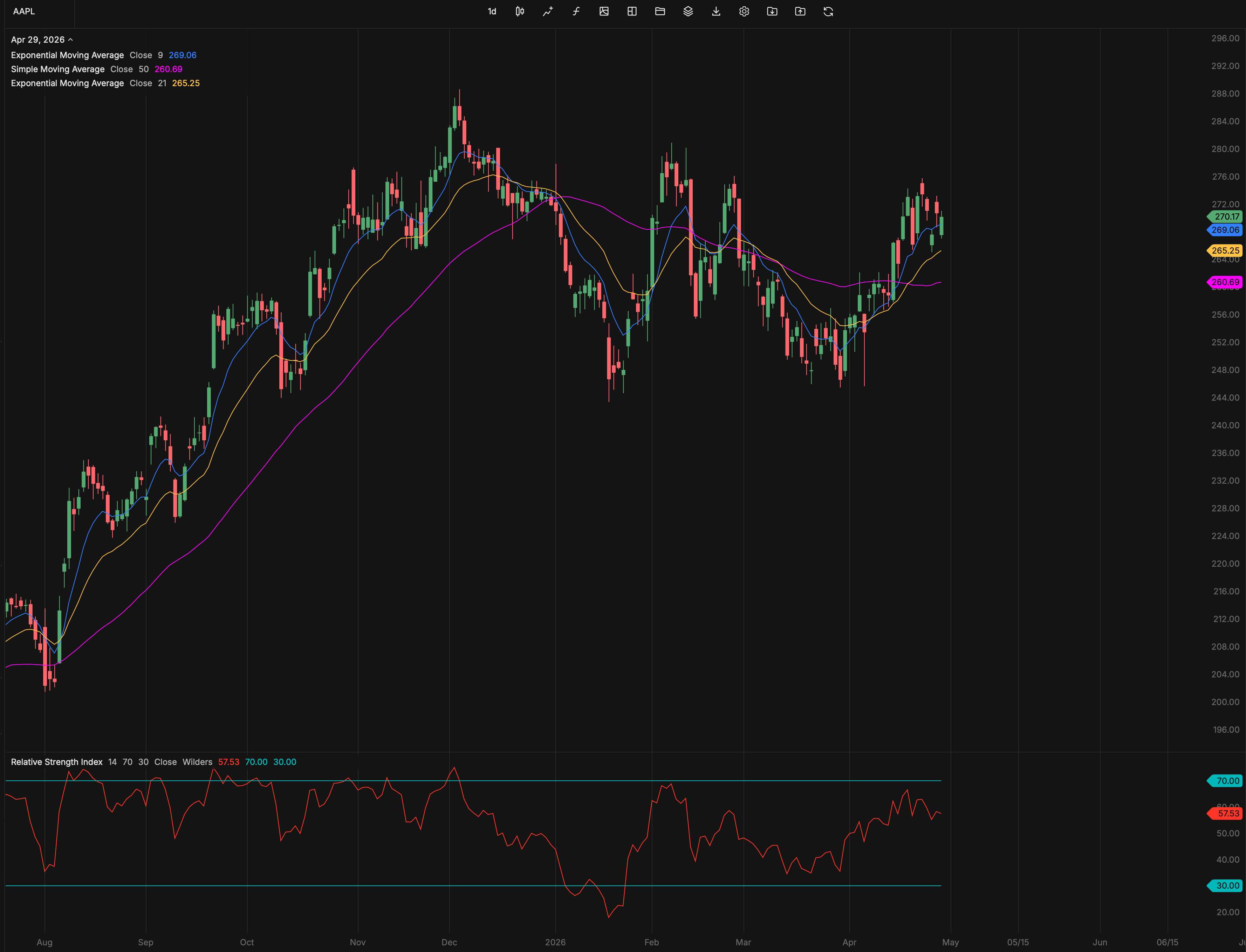
| Apple Inc. (AAPL) | High Volatility / Pre-Earnings Hold | Upcoming fiscal quarter earnings; iPhone upgrade cycle metrics; Services revenue growth. | Options market pricing elevated implied volatility; institutional hedging via collar strategies. |
| Crude Oil (WTI & Brent) | Bearish Correction (-2.1% to -3.5%) | Rising inventories; easing geopolitical risk premiums; global manufacturing softness. | Margin relief for transportation and manufacturing sectors; energy sector profit-taking. |
| Treasury Yields (10-Year U.S. Note) | Consolidating (Range-Bound) | Mixed macroeconomic data releases; Federal Reserve rate cut timing expectations. | Stabilization of equity valuation multiples; reduced pressure on long-duration assets. |
Industry & Market Implications: Winners and Losers
The simultaneous rebound in equities and retreat in oil prices creates distinct operational and financial outcomes across various sectors:
- Winners - Consumer Discretionary & Airlines: Lower fuel and energy costs directly reduce operational expenditures. Companies with high logistical overhead stand to experience immediate margin expansion.
- Winners - Mega-Cap Technology: Resilient buying interest and favorable risk sentiment ahead of Apple's earnings reinforce the thesis that quality tech names remain the premier destination for institutional liquidity.
- Losers - Energy Exploration & Production (E&P): Upstream oil and gas producers face immediate top-line compression as commodity prices slide, forcing tighter capital expenditure discipline and potential downward revisions to free cash flow yields.
- Losers - Highly Leveraged Small-Caps: Companies dependent on floating-rate debt and continuous capital market access remain vulnerable to credit spreads, despite the broader index bounce.
Frequently Asked Questions (People Also Ask)
Why are stocks bouncing while oil prices are falling?
Stocks and oil are currently diverging because lower oil prices act as a deflationary tailwind for the broader economy. Cheaper crude reduces input costs for manufacturing, transportation, and consumer goods, which can protect corporate profit margins. At the same time, investors are aggressively rotating back into technology leaders ahead of major corporate earnings reports, viewing the macroeconomic pullback in energy as an alleviation of inflationary pressure rather than an immediate sign of systemic recession.
What are institutional investors expecting from Apple’s upcoming earnings report?
Wall Street analysts are closely monitoring Apple's hardware upgrade cycles—specifically iPhone demand metrics in key international markets like Greater China—alongside the continued expansion of high-margin Services revenue. Additionally, institutional desks are scrutinizing Apple's capital allocation strategy, focusing heavily on share buyback velocity, dividend sustainability, and management commentary regarding infrastructure scalability for artificial intelligence initiatives.
How does falling crude oil impact corporate valuation multiples?
When crude oil prices decline, input-driven inflation pressures subside. This stabilization can lead to lower consumer price index (CPI) prints, giving central banks greater flexibility regarding monetary policy easing. For equity markets, lower discount rates and preserved profit margins help support and expand valuation multiples, particularly for long-duration growth and technology assets.
What risk mitigation strategies are portfolio managers deploying right now?
Given the dual volatility in tech earnings and commodity swings, portfolio managers are utilizing options-based hedging (such as collar strategies), increasing allocations to companies with fortress balance sheets, and prioritizing businesses demonstrating high enterprise ROI and organic cash-flow generation over speculative growth plays.
Future Outlook & Key Milestones to Watch
As the financial markets move past the immediate earnings announcements, several critical catalysts will dictate market direction through the remainder of the quarter. Institutional investors must maintain vigilant regulatory compliance, monitor central bank liquidity injections, and assess incoming labor market data.
Key milestones include the post-earnings guidance calls from mega-cap technology executives, upcoming monthly employment reports, and Organization of the Petroleum Exporting Countries (OPEC+) production policy updates. Navigating this environment will require rigorous risk mitigation, tactical asset allocation, and an unwavering focus on enterprise fundamentals.