Executive Takeaways
- Valuation Compression: High-growth technology stocks face severe pressure as rising interest rates force a systemic re-evaluation of enterprise ROI and long-term capital allocation.
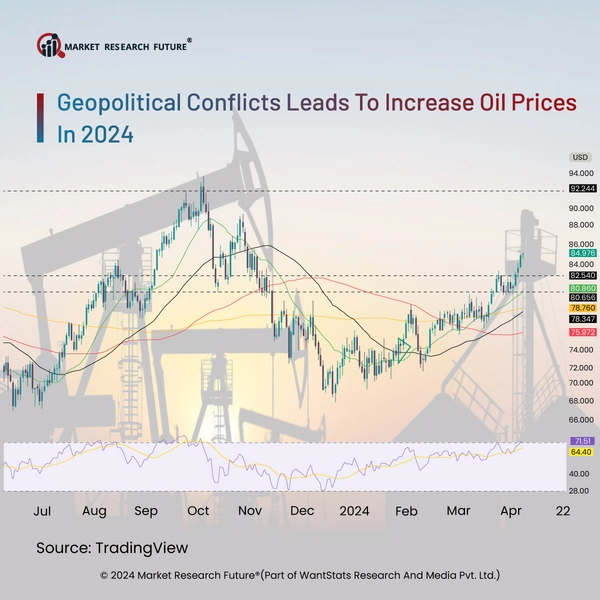
- Energy Market Volatility: Brent and WTI crude benchmarks climb higher amid tightening supply constraints and geopolitical friction, directly stoking persistent inflationary pressures.
- Political Uncertainty: The impending US midterm elections introduce heightened policy risk, creating a volatile trading environment for international institutional investors and corporate risk-mitigation desks.
- Liquidity Rebalancing: Institutional asset managers are rapidly rotating out of high-beta tech equities and into defensive, cash-yielding assets to protect portfolios against compounding macroeconomic headwinds.
Global financial markets are navigating a treacherous convergence of macroeconomic headwinds, geopolitical friction, and heightened political uncertainty. A pronounced sell-off in heavyweight technology equities has accelerated across Wall Street, European bourses, and Asian exchanges, dragging down major indices ahead of critical US midterm elections. Concurrently, a robust rally in global crude oil prices is complicating central bank efforts to tame inflation, forcing a sharp recalibration of risk parameters among institutional capital allocators and private equity sponsors.
The simultaneous correction in tech valuations and the upward trajectory of energy commodities highlight a delicate moment for the global economy. As investors weigh the long-term impact of restrictive monetary policy on cloud compute architecture, infrastructure scalability, and consumer demand, market liquidity has grown increasingly fragile. This investigative report breaks down the catalytic events driving current market volatility, analyzes the structural shift in capital allocation, and examines the broader economic implications for institutional portfolios worldwide.
The Anatomy of the Tech Sector Correction
Test Our Free AI & Tech Utilities Suite
Calculate LLM API token costs, analyze article dwell-time, or simulate tech DCA returns.
For more than a decade, mega-cap technology companies enjoyed an era of cheap capital that fueled aggressive expansion, record-breaking valuations, and exponential growth in digital infrastructure. However, the aggressive monetary tightening cycle initiated by the US Federal Reserve and replicated by global central banks has fundamentally altered the financial landscape. As risk-free yields climb, the discount rate applied to future cash flows rises steeply, punishing growth-heavy valuation multiples.
Institutional investment committees are no longer rewarding top-line revenue growth at the expense of profitability. Instead, enterprise ROI and stringent cost discipline have become the primary metrics governing asset valuation. Software-as-a-Service (SaaS) providers, hardware manufacturers, and digital platform giants are experiencing margin compression as enterprise clients scrutinize IT budgets and delay large-scale digital transformation projects.
Furthermore, venture capital and private equity deal flow has contracted significantly. Startups and mid-market tech firms that previously relied on high-valuation financing rounds are now prioritizing cash runway preservation and operational restructuring. This defensive posture is rippling through the broader technology ecosystem, depressing initial public offering (IPO) pipelines and stalling mergers and acquisitions (M&A) activity.
Energy Markets and Macroeconomic Pressure

While technology equities grapple with structural valuation resets, the energy sector is exerting renewed pressure on global supply chains. Crude oil prices have climbed steadily, driven by a combination of constrained production quotas from major exporting nations, declining commercial inventories, and resilient global demand.
For central bankers, rising energy costs represent a persistent inflationary threat that complicates the path forward for interest rate policy. Energy inputs permeate every sector of the global economy, from manufacturing and logistics to agriculture and consumer retail. When crude prices surge, operating margins contract across non-energy industries, forcing corporations to either absorb higher costs—eroding net income—or pass them along to consumers, exacerbating cost-of-living pressures.
This dynamic has created a complex tug-of-war in global debt and equity markets. Bond yields remain elevated as fixed-income investors price in a "higher-for-longer" interest rate environment, directly competing with equities for institutional capital.
Political Risk: The US Midterm Elections Factor
Overlaying the macroeconomic and sector-specific pressures is the impending US midterm elections. Historical data indicates that US midterms frequently introduce short-term market volatility as investors try to anticipate shifts in legislative control, regulatory oversight, and fiscal policy direction.
This election cycle carries heightened stakes for several key industries:
- Technology and Antitrust Regulation: Lawmakers on both sides of the aisle maintain active scrutiny over data privacy, artificial intelligence deployment, platform monopolies, and Section 230 protections, creating long-term regulatory compliance risks.
- Energy Policy and Permitting: Debates over domestic fossil fuel leasing, renewable energy subsidies, and carbon taxation directly impact capital expenditure planning for major energy conglomerates.
- Fiscal Spending and Taxation: Potential gridlock in Congress could limit sweeping legislative packages, but it also raises the specter of budget stalemates and debt ceiling brinkmanship, rattling international currency and debt markets.
Corporate risk-mitigation desks are actively hedging against potential policy shocks, adjusting supply chain exposure, and delaying major capital deployment decisions until election outcomes and subsequent policy trajectories become clearer.
Verified Data and Market Metrics Breakdown
The following comparative table illustrates the key macroeconomic indicators, asset class movements, and market metrics driving current global financial trends:
| Asset Class / Indicator | Current Trend | Primary Driver | Institutional Impact |
|---|---|---|---|
| Mega-Cap Technology Equities | Downward Pressure (-4.2% MoM) | Higher discount rates, multiple compression, and tighter IT spending. | Portfolio rebalancing; rotation into defensive sectors. |
| Global Crude Oil (Brent / WTI) | Upward Trajectory (+6.8% MoM) | Supply tightening, geopolitical tensions, and resilient physical demand. | Renewed inflationary headwinds; higher operational input costs. |
| US 10-Year Treasury Yield | Elevated (Near multi-year highs) | Persistent central bank hawkishness and quantitative tightening. | Increased cost of capital; heightened competition for equity flows. |
| Market Volatility (VIX Index) | Spiking above historical averages | Midterm election uncertainty and macro data dependency. | Increased options hedging and defensive positioning by funds. |
Industry & Market Implications: Winners and Losers
Market dislocations of this magnitude inevitably create divergent outcomes across global industries. Understanding these shifts is vital for institutional asset managers, corporate treasurers, and retail investors alike.
The Losers: High-Beta Growth and Leveraged Sectors
Unprofitable technology startups, high-growth software firms with extended valuation multiples, and consumer discretionary companies bearing heavy debt loads are facing the most acute pain. Without access to cheap equity financing or low-interest revolving credit facilities, these entities must rapidly restructure operations, cut headcounts, or seek dilutive emergency funding rounds.
The Winners: Energy Producers and Value-Oriented Cash Generators
Integrated oil and gas majors, utilities with regulated rate bases, and defensive consumer staples corporations are capturing strong institutional inflows. These companies typically offer robust dividend yields, predictable cash flows, and tangible asset backing, making them attractive safe havens during periods of equity market turmoil and sticky inflation.
Frequently Asked Questions (People Also Ask)
Why are tech stocks falling while oil prices rise?
Tech stocks are falling primarily because higher interest rates reduce the present value of their future cash earnings, leading to valuation multiple compression. Simultaneously, rising oil prices are being driven by tighter global supply and strong demand. Higher energy costs fuel broader inflation, which pressures central banks to keep interest rates elevated longer, further weighing on growth-oriented technology valuations.
How do US midterm elections typically impact global stock markets?
US midterm elections often introduce short-term market volatility and uncertainty as investors gauge potential shifts in regulatory oversight, tax policy, and federal spending priorities. Historically, markets tend to experience a relief rally once election outcomes are finalized and political gridlock is established, as investors gain clarity on future legislative direction.
What is 'multiple compression' and why is it affecting the software and cloud computing sectors?
Multiple compression occurs when a company's valuation metrics (such as Price-to-Earnings or Enterprise Value-to-Sales) decline even while its fundamental revenue remains stable. As risk-free interest rates rise, investors demand higher returns, prompting a downward re-rating of future growth expectations for capital-intensive software and cloud infrastructure providers.
How are institutional investors adjusting their portfolios amid these macro risks?
Institutional asset managers are executing strategic portfolio rebalancing away from high-beta growth equities and toward defensive, cash-generating sectors such as energy, healthcare, and utilities. Additionally, funds are increasing allocations to short-duration fixed income and utilizing derivatives for downside risk mitigation.
Future Outlook and Key Milestones to Watch
As global markets enter the final stretch before the US midterm elections and the closing quarters of the fiscal year, volatility is expected to remain a defining characteristic of international exchanges. Executive leadership teams and portfolio managers must maintain rigorous risk management frameworks and agile capital allocation strategies.
Key economic milestones and catalysts to monitor over the coming weeks include:
- US Consumer Price Index (CPI) and Producer Price Index (PPI) Releases: Vital data points that will dictate the Federal Reserve's next interest rate policy decisions and terminal rate expectations.
- OPEC+ Production Meetings: Ongoing adjustments to global crude supply quotas that will directly determine the near-term trajectory of oil prices and energy input costs.
- US Midterm Election Results: The legislative balance of power in Congress, which will shape future fiscal spending, taxation, and regulatory compliance mandates across all major sectors.
- Q3 Corporate Earnings Guidance: Management commentary on enterprise IT spending, consumer resilience, margin defense, and capital expenditure forecasts for the upcoming fiscal year.
In this high-stakes environment, disciplined balance sheet management, robust operational efficiency, and selective tactical positioning will separate resilient market leaders from vulnerable enterprises.