BEIJING & DETROIT — For more than a decade, the global transition to electric vehicles has labored under the heavy anchor of consumer anxiety. The dread of watching a digital battery gauge plummet on a desolate highway, coupled with the frustration of lengthy charging stops, has kept millions of internal combustion engine loyalists firmly on the sidelines. But that psychological barrier may have just crumbled.
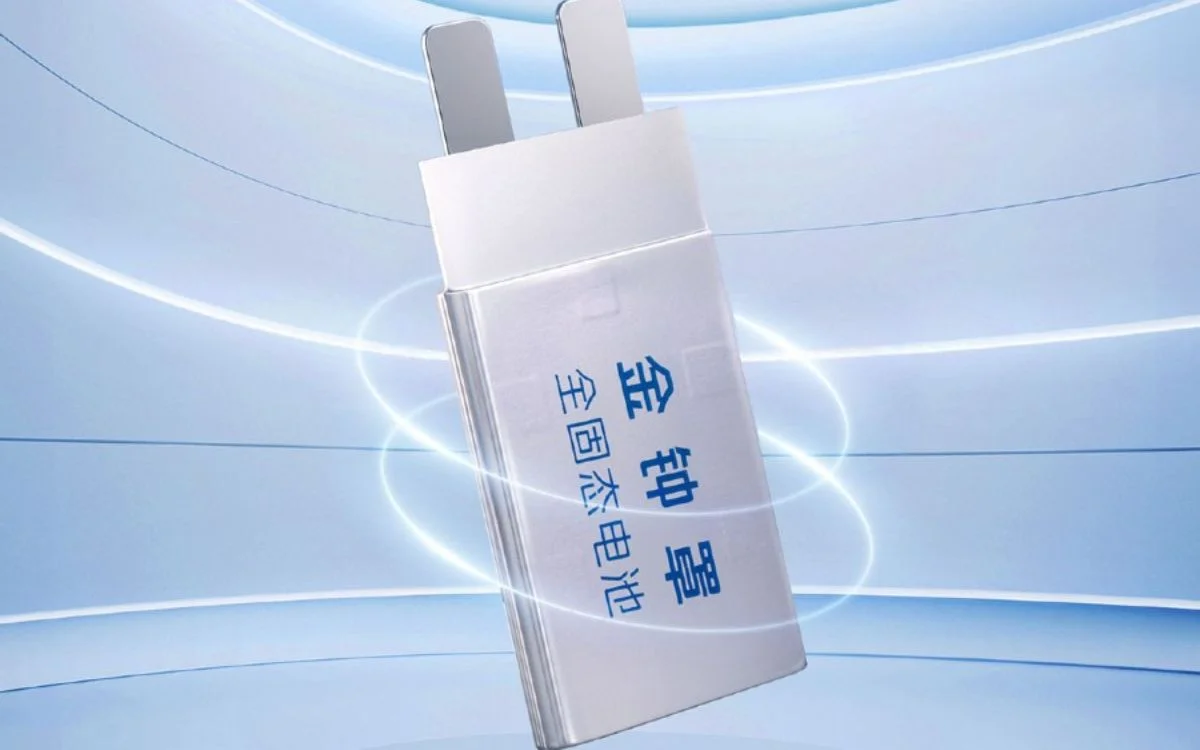
According to primary reporting from Electrek, the holy grail of automotive engineering has officially cleared the laboratory and entered the commercial supply chain. Solid-state EV batteries are now rolling off production lines in China, boasting energy densities that promise an astonishing, near-mythical driving range of nearly 1,000 miles on a single charge. This monumental industrial pivot is poised to upend the global automotive status quo, forcing legacy automakers in Detroit, Stuttgart, and Tokyo into an uncomfortable game of high-stakes catch-up.
The Physics of the Breakthrough: Beyond Liquid Electrolytes
To understand the magnitude of this development, one must examine the fundamental limitations of current lithium-ion technology. Standard EV batteries rely on liquid electrolytes to facilitate the flow of lithium ions between the anode and cathode. While effective, these liquid mediums are chemically volatile, sensitive to extreme temperatures, and limited in how much energy they can safely store within a given volume.
Solid-state technology replaces these flammable liquids with solid materials—typically ceramics, polymers, or sulfides. The structural advantages are profound:
- Unprecedented Energy Density: Solid-state cells pack significantly more energy into a fraction of the space and weight, allowing vehicles to house massive capacity without the crippling weight penalty of traditional battery packs.
- Drastically Reduced Fire Risks: Without volatile liquid organic solvents, the risk of thermal runaway—the dreaded battery fire phenomenon—is virtually eliminated.
- Sub-Zero Resilience: Unlike liquid-based cells that suffer severe range degradation in freezing winter conditions, solid-state chemistry maintains superior performance across volatile thermal gradients.
- Hyper-Fast Charging: Solid electrolytes permit faster ion migration, setting the stage for 10-to-80 percent recharges that take minutes rather than hours.
Market Realities and the Geopolitical Stakes
For years, automotive skeptics and industry executives argued that solid-state batteries were perpetually "a decade away." High manufacturing costs, microscopic cracking during expansion and contraction cycles, and difficulties scaling up chemistry from a coin-cell lab sample to a multi-kilowatt-hour automotive pack seemed insurmountable.
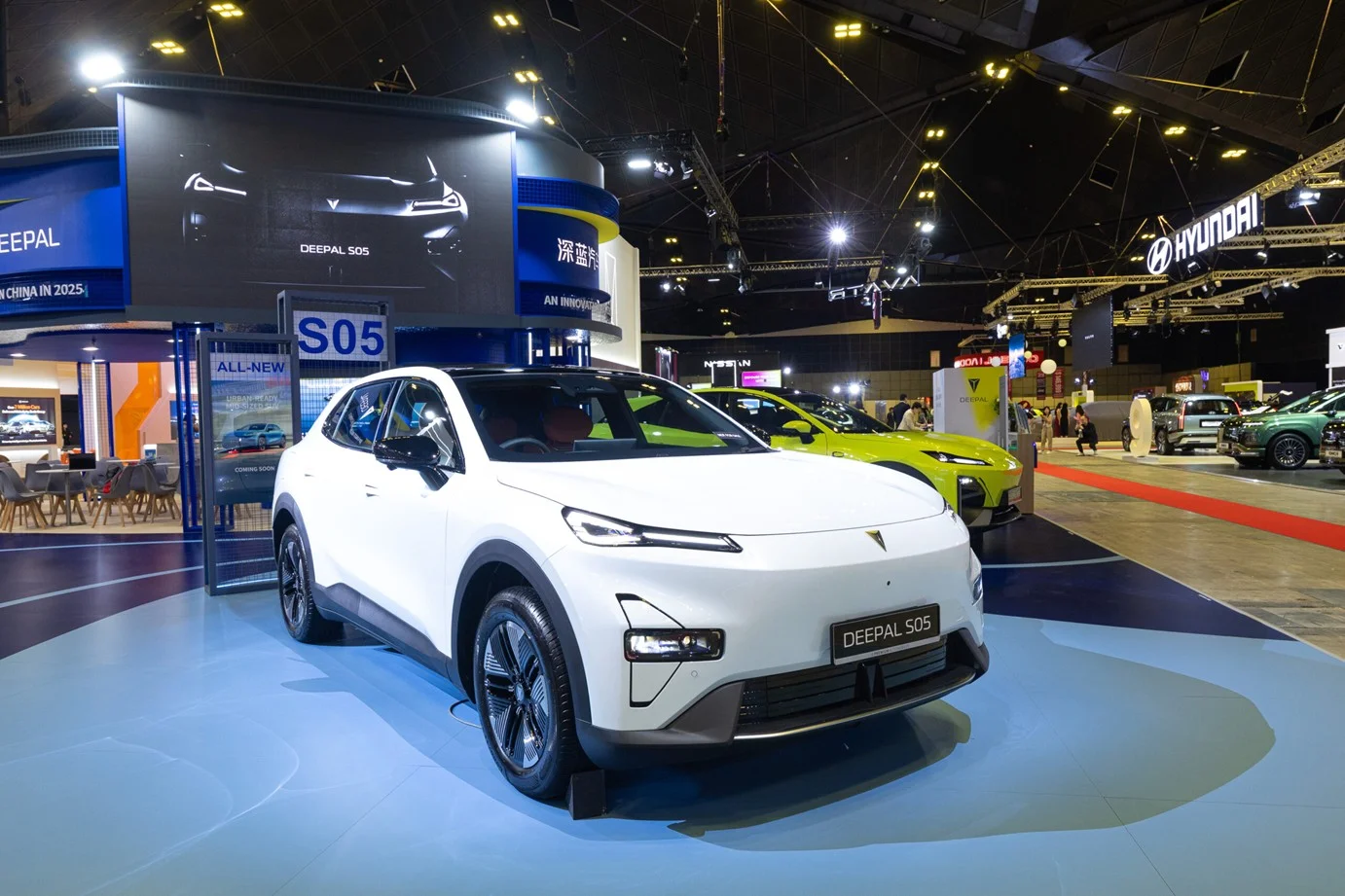
However, Chinese battery manufacturers and state-backed consortia have systematically broken down these engineering bottlenecks. By deploying advanced manufacturing techniques, proprietary material coatings, and massive capital injection, Chinese firms have transitioned from theoretical research to high-volume manufacturing.
This deployment does not merely represent a win for engineering; it marks a tectonic shift in industrial dominance. Western legacy automakers have spent billions refining traditional lithium-ion and lithium-iron-phosphate (LFP) chemistries. The sudden commercialization of solid-state architecture in Asian markets threatens to render current multi-billion-dollar gigafactory investments obsolete overnight, triggering an urgent reassessment of product roadmaps among global automotive titans.
At a Glance: Traditional Li-Ion vs. Next-Gen Solid-State
| Feature | Traditional Lithium-Ion | Next-Gen Solid-State |
|---|---|---|
| Electrolyte Type | Liquid organic solvent | Solid ceramic, polymer, or sulfide |
| Average Real-World Range | 250 – 400 miles | 700 – 1,000+ miles (Projected) |
| Thermal Safety Profile | Moderate risk of thermal runaway | Extremely high resistance to fire/heat |
| Cold Weather Performance | Significant range loss (up to 30-40%) | Minimal degradation in sub-zero conditions |
What This Means for Global Consumers
For the average car buyer, the arrival of solid-state batteries spells the definitive end of range anxiety. A 1,000-mile driving range effectively means an owner could drive from New York to Chicago, or London to Rome, on a single charge. For urban dwellers without home charging access, it reduces the chore of plugging in to perhaps once or twice a month.
Yet, hurdles remain before these vehicles flood global showrooms. Initial production runs will likely be restricted to luxury and premium vehicle segments as supply chains ramp up and manufacturing yields stabilize. Economies of scale will take time to lower the per-kilowatt-hour cost down to price parity with legacy cells.
The Road Ahead
The message from Beijing is unambiguous: the future of personal mobility is solid-state, and the future is arriving now. As these vehicles hit public roads in China over the coming quarters, international regulators, environmental agencies, and rival boardrooms will watch closely. Western automakers must now accelerate their own solid-state timelines or risk ceding the next era of transportation entirely.
Frequently Asked Questions
When will solid-state electric vehicles be available globally?
While commercial rollouts are currently concentrated in China, international automakers and joint ventures are aggressively racing to bring solid-state vehicles to North American and European markets. Most industry analysts project wider global availability by the late 2020s to early 2030s as manufacturing infrastructure matures.
Will current electric cars become instantly obsolete?
No. Traditional lithium-ion and LFP batteries will remain the economic backbone of affordable mass-market EVs for many years. Because solid-state manufacturing will be expensive at first, legacy chemistries will continue to power entry-level and mid-tier vehicles while solid-state cells command a premium.