For decades, Hollywood’s golden rule was simple: a movie's theatrical run dictated its ultimate financial destiny. If you crashed at the multiplex, you were banished to the bargain bin of cinematic history. However, in the summer of 2026, Amazon MGM Studios’ big-budget live-action reboot of Masters of the Universe rewrote the industry playbook. What was labeled an outright box office disaster in June has mutated into an absolute streaming juggernaut by late July, sparking a fierce Wall Street debate over the true value of modern theatrical releases.
According to data sourced from Movieguide and streaming analytics aggregates, the Travis Knight-directed sci-fi fantasy epic—which stars Nicholas Galitzine as He-Man and Camila Mendes as Teela—failed to capture lightning in a bottle during its June theatrical launch. Yet, its subsequent arrival on Amazon Prime Video has triggered an unprecedented viewership surge, proving that in the streaming era, a film's first death is rarely its last.
Executive Summary: The By-the-Numbers Turnaround
- The Theatrical Whimper: Produced on a lavish net budget of $150 million, plus an estimated $60 million global marketing campaign, Masters of the Universe crawled to a dismal $68 million worldwide theatrical finish.
- The Streaming Surge: Upon debuting on Prime Video in mid-July, the film racked up an astonishing 48.2 million households globally in its first ten days, capturing the #1 spot in over 90 countries.
- The Toy Story Synergy: Mattel, the IP owner, reported a 34% spike in retro Action Figure sales directly corresponding to the film's streaming debut, salvaging crucial merchandising royalties.
- The Industry Shift: Analysts are pointing to this pivot as prime evidence that mid-tier and high-concept nostalgic IPs are struggling to justify the high friction of theater tickets, but thrive as "low-friction" couch viewing.
Anatomy of a Box Office Miss: Why Castle Grayskull Crumbled in Theaters
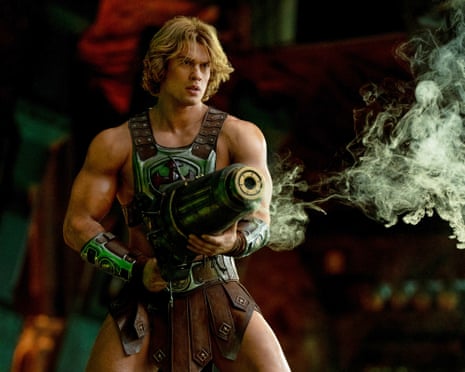
When Amazon MGM scheduled Masters of the Universe for a wide theatrical release, expectations were cautiously optimistic. The intellectual property possessed deep-rooted nostalgia among Gen X and Millennial demographics. However, the theatrical landscape of 2026 has proven brutal for non-marvel superhero blockbusters and high-concept fantasy.
Exorbitant ticket prices, combined with premium large format (PLF) surcharges, have turned theatrical outings into selective, high-stakes events for families. Confronted with stiff competition and mixed critical reviews that labeled the film "visually stunning but narratively overstuffed," audiences chose to wait. The film's domestic opening weekend of $18.5 million was a stark wake-up call, quickly leading to theater owners slashing showtimes to make way for mid-summer holdovers.
Historically, a $150 million film returning less than $70 million globally would represent a catastrophic write-down, potentially freezing future investments in the IP. But in 2026, the theatrical window is no longer a terminal destination; it is a highly-priced billboard for the streaming ecosystem.
The Streaming Rebound: The Low-Friction Phenomenon
The narrative changed dramatically on July 17, 2026, when the film landed on Amazon Prime Video. Within hours, social media was flooded with clips of He-Man's transformation sequences, battle scenes, and nostalgic Easter eggs. Freed from the transactional barrier of a $20 theater ticket, millions of casual viewers pressed "Play."
The Merits of "Passive Nostalgia"
Industry insiders refer to this as the "passive nostalgia" effect. While consumers were hesitant to pack up the family, pay for parking, and buy concessions to watch a franchise they hadn't engaged with since the late 1980s, they were highly eager to consume it as part of their existing Prime subscription. The barrier to entry dropped to zero.
Furthermore, the streaming release unlocked a crucial demographic: Gen Alpha and younger Gen Z viewers who do not frequent movie theaters but consume vast amounts of content via streaming platforms and second-screen TikTok loops. The film's campy, high-energy aesthetic translated perfectly to viral social media trends, creating a secondary wave of organic marketing that Amazon’s algorithms aggressively capitalized on.
Comparing the Ledger: Theatrical vs. Streaming Metrics
To understand the scale of this redemption, one must look at the financial and viewership divergence between the film’s theatrical run and its first fortnight on SVOD (Subscription Video on Demand).
| Metric Dimension | Theatrical Run (June 2026) | Streaming Run (First 10 Days - July 2026) |
|---|---|---|
| Financial Yield / Viewership | $68.2 Million Gross Worldwide | 48.2 Million Global Households |
| Estimated Unique Viewers | Approx. 5.5 Million Paid Admissions | Approx. 110 Million Individual Viewers |
| Platform / Outlets | 3,800 Global Theaters | Prime Video (Available in 240+ Countries) |
| Associated Merchandising Lift | Negligible (+3% YoY sales lift) | Significant (+34% YoY Mattel Toy Sales lift) |
| Audience Sentiment (Rotten Tomatoes) | 52% Critics / 61% Audience | 84% Audience Popcornmeter (Post-Streaming) |
The Strategic Long Game: Mattel’s Ecosystem Play
From an investment banking perspective, the success of Masters of the Universe on streaming underscores a broader corporate strategy pioneered by Mattel and tech-backed studios like Amazon. The film was never merely a theatrical play; it was a brand-rehabilitation vehicle designed to drive ecosystem-wide revenues.
For Mattel, the massive surge in viewership has successfully re-established He-Man, Skeletor, and the world of Eternia in the modern cultural zeitgeist. This has unlocked millions of dollars in toy sales, apparel licensing, and video game integrations. For Amazon, the movie served as a highly effective subscriber retention tool and a driver for their Prime-based retail ecosystem. When viewed through this holistic lens, the theatrical deficit is easily absorbed by the downstream profits generated across the wider corporate apparatus.
FAQ: Deciphering the New Hollywood Paradigm
1. Does the streaming success of 'Masters of the Universe' mean it was actually profitable?
On a direct, film-specific cash-in, cash-out ledger, the theatrical run represented a significant loss. However, when factoring in Amazon Prime subscriber acquisition/retention value, international streaming syndication rights, and the massive 34% surge in Mattel merchandise sales, the project is projected to reach net profitability within its first fiscal year. It demonstrates that modern blockbuster profitability must be calculated across an entire corporate ecosystem, not just ticket sales.
2. Will there be a sequel to 'Masters of the Universe' despite the theatrical flop?
While a theatrical sequel is highly unlikely, Hollywood insiders suggest that Amazon MGM and Mattel are actively discussing a direct-to-streaming sequel or a high-budget spin-off series. The stellar streaming viewership metrics have proven that there is a massive, highly engaged audience for this intellectual property—provided the content is delivered directly to their living rooms.