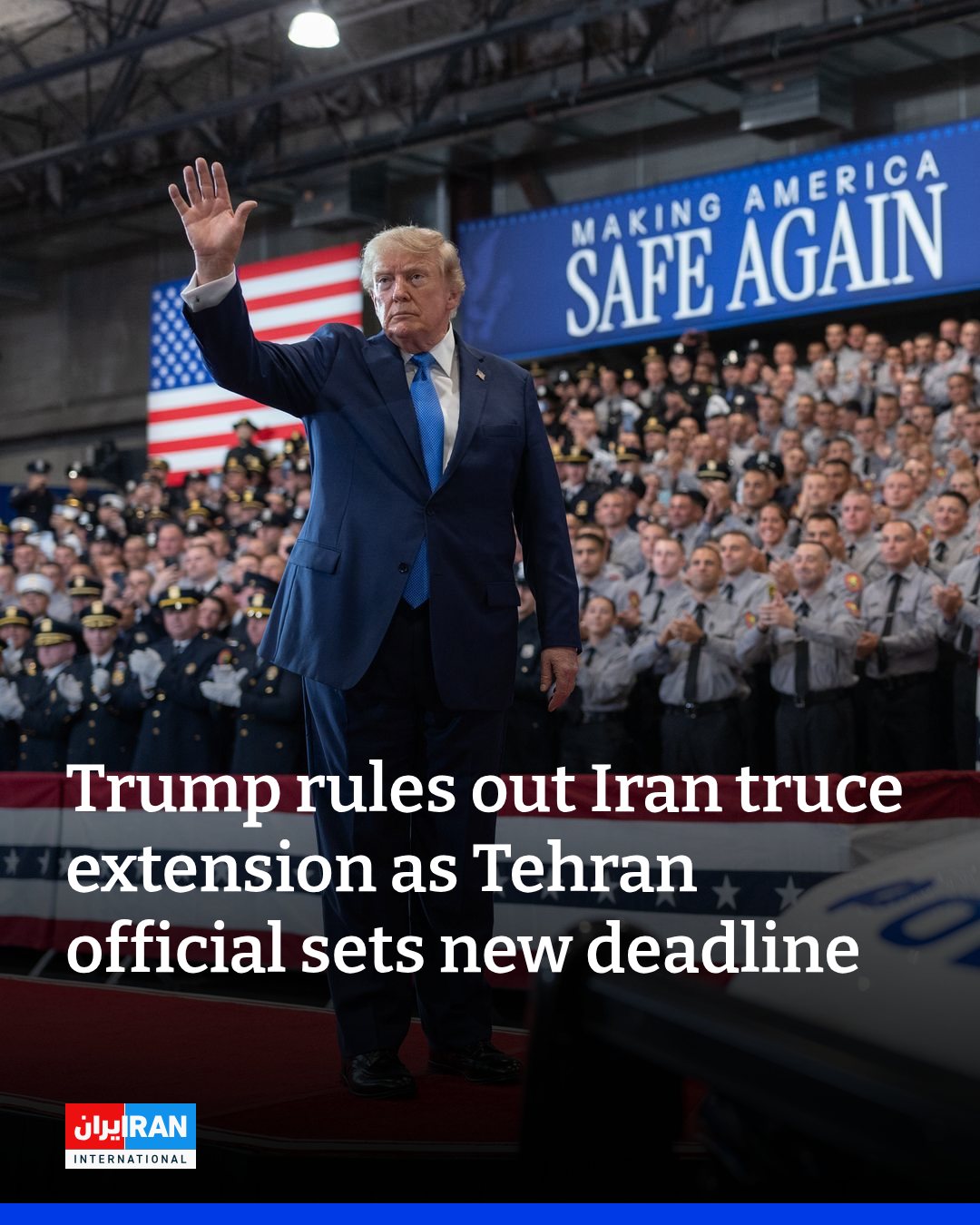
The Brink of Escalation: Why the U.S. Rejected Iran’s Truce Extension as Tehran Issues Fresh Ultimatum
WASHINGTON — In a move that has sent shockwaves through global energy markets and upended delicate diplomatic channels in the Middle East, the United States has formally ruled out any extension of the temporary truce with Iran. The announcement, delivered by senior Biden administration officials, came mere hours after a high-ranking Tehran security official issued a stark, non-negotiable deadline demanding sweeping sanctions relief in exchange for continued maritime de-escalation.
The refusal marks a critical, potentially dangerous pivot point in Western-Iranian relations. The fragile, 120-day interim agreement—which had temporarily pacified proxy hostilities in the Red Sea and established a nervous calm along key Persian Gulf shipping lanes—is now set to expire without a successor framework. With both Washington and Tehran digging in their heels, analysts warn of a return to active confrontation, with immediate ramifications for global supply chains, oil prices, and regional security.
Inside the Collapse: How the Diplomatic Channel Broke Down
According to sources familiar with the closed-door discussions in Geneva, the collapse of the truce extension stemmed from a fundamental misalignment of expectations. The United States and its European allies sought to transition the temporary pause into a broader, formalized negotiation framework targeting Iran’s rapid nuclear enrichment and its regional proxy network. Conversely, Tehran viewed the truce strictly as a transactional mechanism to alleviate its strangulating economic isolation.
The breaking point arrived when a senior representative of Iran’s Supreme National Security Council declared that Tehran would "immediately resume unrestricted maritime patrols and accelerate advanced centrifuge installations" unless the U.S. lifted banking and insurance sanctions by the newly imposed September 1 deadline.
State Department officials swiftly rejected the ultimatum, calling it "nuclear extortion" and an attempt to negotiate under duress. "We will not extend a temporary arrangement that serves only to fund destabilizing activities while Tehran’s nuclear clock continues to tick," a senior U.S. diplomat stated, speaking on the condition of anonymity. "The era of unilateral concessions is officially over."
Strategic Implications: What Happens Next?
As the countdown to the September deadline begins, military strategists and economic analysts are preparing for a multi-front escalation. The breakdown of the truce is expected to manifest across three primary vectors:
- The Shipping Corridors: Without the security guarantees of the temporary truce, the Bab-el-Mandeb Strait and the Strait of Hormuz—through which nearly 20% of the world’s petroleum passes—will likely face renewed threat levels, driving up marine insurance premiums.
- The Nuclear Question: Free from the constraints of the interim agreement, Tehran is expected to push its uranium enrichment levels closer to weapons-grade (90% purity), forcing a reactive posture from Israel and the West.
- Proxy Mobilization: Regional intelligence agencies report that Iranian-backed militias in Iraq, Syria, and Yemen have already been placed on high alert, suggesting a coordinated resumption of drone and missile strikes targeting Western assets if the deadline passes without U.S. capitulation.
Market Reaction: Energy and Financial Sectors Braced for Volatility
The Economic Times has tracked immediate tremors across global commodity trading desks following the announcement. Brent crude futures, which had stabilized in the low $70s during the truce, spiked by 3.4% in early trading, reflecting the sudden re-introduction of a "geopolitical risk premium." Financial analysts warn that a prolonged standoff could push crude prices back into the triple-digit territory, complicating global central banks' efforts to tame lingering inflationary pressures.
The table below highlights the immediate economic shifts observed in the wake of the U.S.-Iran diplomatic impasse:
| Asset Class / Economic Indicator | Pre-Impasse Level (August 2026) | Post-Announcement Level | Immediate Market Outlook |
|---|---|---|---|
| Brent Crude Oil (per barrel) | $74.50 | $78.20 | Bullish; projected to test $85–$90 if shipping corridors are disrupted. |
| Red Sea Shipping Insurance Premium | Baseline (Standard) | +15% Surcharge | Highly volatile; expected to climb further as war-risk assessments update. |
| Gold (Safe Haven Asset - per ounce) | $2,310 | $2,365 | Strong upward momentum driven by geopolitical hedging. |
| Iranian Rial (Exchange Rate vs USD) | 610,000 IRR | 645,000 IRR | Severe bearish pressure amid anticipated expansion of U.S. sanctions. |
The Geopolitical Chessboard: Allied and Adversarial Responses
The hardline stance from Washington has received a mixed reception globally. While Israel has strongly lauded the U.S. decision, arguing that any extension of the truce would merely have allowed Iran to rebuild its proxy arsenals, European capitals are expressing quiet alarm. Diplomatic sources in Paris and Berlin suggest that a total collapse of communication channels could leave the West without any leverage to monitor Iran's nuclear facilities.
Meanwhile, Beijing and Moscow have seized on the development to blame Washington's "unilateral pressure campaign" for the instability. China, a major buyer of discounted Iranian crude, is expected to continue providing an economic lifeline to Tehran, potentially dampening the impact of any new Western sanctions. This evolving alignment guarantees that the fallout from the failed truce will reverberate far beyond the borders of the Middle East, cementing a highly polarized global trade and security environment.
Frequently Asked Questions (FAQ)
1. Why did the U.S. refuse to extend the temporary truce with Iran?
The United States declined the extension because it believes Iran used the temporary de-escalation period to rebuild its regional proxy networks and advance its nuclear enrichment capabilities without offering any long-term concessions. Washington seeks a comprehensive, permanent agreement rather than temporary, transactional pauses that offer Tehran economic relief in exchange for fleeting quiet.
2. What is the significance of the deadline set by the Tehran official?
Tehran’s September 1, 2026 deadline acts as a strategic ultimatum. By threatening to resume aggressive maritime patrols and accelerate nuclear activities if sanctions are not lifted, Iran is attempting to pressure the U.S. and its allies into economic concessions. Failing a diplomatic breakthrough before this date, the region faces an elevated risk of direct military friction and disrupted shipping lanes.