Executive Takeaways
- Escalating Capital Exposure: Global cybercrime costs are projected to breach $10.5 trillion annually by 2025, fundamentally altering enterprise risk mitigation, valuation multiples, and capital allocation strategies.
- The Perimeter Dissolution: The migration to hybrid cloud compute architectures has amplified misconfigurations and identity vulnerabilities, rendering legacy perimeter defenses obsolete.
- Autonomous Defense Imperative: Static signature-based tools fail against AI-driven polymorphic malware; organizations are rapidly shifting toward autonomous, real-time endpoint detection and response (EDR) platforms like SentinelOne.
- Regulatory Accountability: Compliance frameworks (SEC, DORA, NIS2) now mandate immediate executive disclosure and continuous security posture validation, directly tying board liability to technical resilience.
As global enterprises accelerate their digital transformation agendas, the attack surface expands exponentially. The convergence of advanced generative artificial intelligence, highly distributed cloud environments, and sophisticated geopolitical cyber-warfare has ushered in a volatile era for chief information security officers (CISOs) and risk committees. According to fresh intelligence compiled by SentinelOne, organizations are no longer battling isolated script kiddies or amateur syndicates; they face industrialized, AI-augmented threat actors capable of bypassing traditional defenses within minutes of initial compromise.
In this exhaustive investigative report, we deconstruct the twelve most critical cybersecurity issues shaping the enterprise landscape. Furthermore, we analyze the financial implications, regulatory mandates, and proven technical frameworks required to fortify infrastructure scalability, preserve market liquidity, and protect shareholder value.
The Evolving Threat Landscape: Anatomy of Modern Cyber Risk
Test Our Free AI & Tech Utilities Suite
Calculate LLM API token costs, analyze article dwell-time, or simulate tech DCA returns.
The contemporary threat actor operates with the efficiency of a Fortune 500 enterprise. Armed with machine learning tools, ransomware-as-a-service (RaaS) supply chains, and deep-pocketed backing, modern adversaries systematically exploit structural weaknesses across enterprise networks. To maintain operational continuity and safeguard enterprise ROI, executives must understand the dozen vectors driving current breach statistics.
1. Advanced Persistent Threats (APTs) and Living-off-the-Land Techniques
Modern APTs routinely bypass signature-based detections by utilizing "Living-off-the-Land" (LotL) tactics—leveraging legitimate administrative utilities such as PowerShell, WMI, and remote management tools already present in the operating system. Mitigation requires behavioral analytics and autonomous endpoint monitoring that flags anomalous execution chains rather than static files.
2. Cloud Misconfigurations and Identity-Based Breaches
As organizations scale their cloud compute architecture across AWS, Azure, and Google Cloud, excessive permissions and improperly secured S3 buckets remain prime targets. Identity is the new perimeter; zero-trust architecture and continuous identity threat detection and response (ITDR) are now non-negotiable compliance requirements.
3. AI-Driven Phishing and Social Engineering
Generative AI has democratized high-fidelity social engineering. Threat actors now deploy hyper-personalized spear-phishing campaigns and deepfake audio/video for Business Email Compromise (BEC). Mitigating this vector demands continuous human-layer security training coupled with advanced email gateway filtering backed by semantic analysis.
4. Ransomware-as-a-Service (RaaS) and Double-Extortion Models
Ransomware is no longer just a data encryption play; extortionists exfiltrate sensitive IP and customer data before locking systems, threatening public leaks. Effective defense hinges on immutable, air-gapped backups and rapid isolation capabilities that sever lateral movement before encryption routines initiate.
5. Supply Chain and Third-Party Vendor Vulnerabilities
The Software Bill of Materials (SBOM) crisis continues to plague enterprise tech stacks. A vulnerability in a single open-source library or third-party vendor portal can compromise thousands of downstream customers. Supply chain risk management now dictates rigorous third-party auditing and real-time dependency scanning.
6. Insider Threats and Privileged Access Abuse
Whether malicious or negligent, internal actors wielding elevated privileges represent catastrophic risk. Mitigating insider threats requires strict adherence to the Principle of Least Privilege (PoLP), Just-In-Time (JIT) access provisioning, and real-time user behavior analytics (UBA).
7. Internet of Things (IoT) and Operational Technology (OT) Convergence
The convergence of IT and OT in manufacturing, healthcare, and energy sectors has exposed legacy industrial control systems (ICS) to internet-borne threats. Comprehensive network segmentation and asset discovery protocols are vital to prevent catastrophic physical disruptions.
8. API Security Blind Spots
As microservices architectures proliferate, poorly documented and insecure APIs provide frictionless entry points for data exfiltration. Enterprises must implement automated API discovery, strict schema validation, and continuous runtime monitoring.
9. Zero-Day Vulnerabilities and Rapid Exploitation Windows
The window between vulnerability disclosure and active exploitation has shrunk to mere hours. Relying solely on patch management is insufficient; threat intelligence integration and behavioral threat hunting are essential to intercept zero-day exploitation.
10. Shadow IT and Unauthorized SaaS Adoption
Employees bypassing IT governance to spin up unauthorized cloud applications create severe compliance and data leakage risks. Cloud Access Security Brokers (CASB) and automated discovery engines are mandatory tools for regaining visibility.
11. Fileless Malware and Memory-Resident Attacks
Operating exclusively in system RAM, fileless malware leaves no disk footprint, successfully evading legacy antivirus solutions. Countermeasures demand kernel-level visibility and memory scanning technologies that detect code injection in real-time.
12. Regulatory Non-Compliance and Governance Deficits
Regulatory frameworks such as the EU's DORA, NIS2, and SEC cyber disclosure rules impose stringent mandates on incident reporting and operational resilience. Failure to mitigate technical risks now translates directly into severe financial penalties and executive liability.
Verified Data & Metrics Breakdown
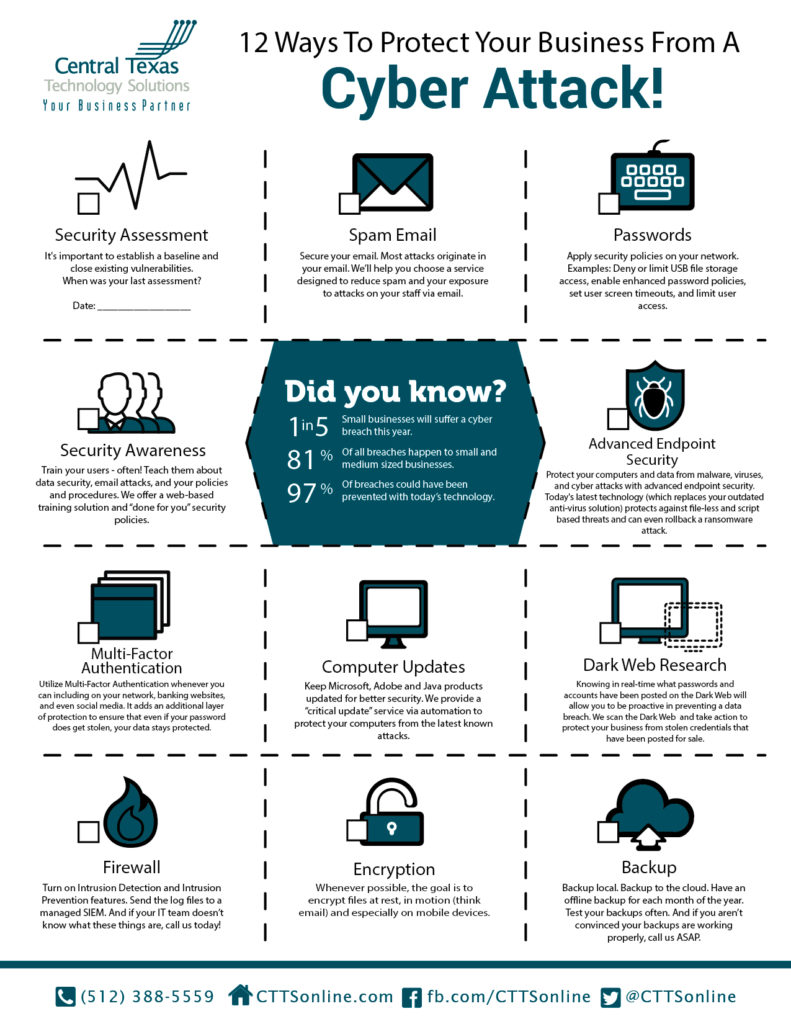
The quantitative reality of modern cyber threats is reflected in global financial losses, dwell times, and the rapid adoption of automated mitigation platforms. The table below outlines key benchmark metrics comparing legacy vulnerability paradigms with modern autonomous security frameworks.
| Metric / Indicator | Legacy / Traditional Approach | Modern Autonomous (SentinelOne) Approach | Economic / Operational Impact |
|---|---|---|---|
| Average Threat Dwell Time | 14–21 Days (Manual Investigation) | < 3 Minutes (Automated Detection) | Limits lateral movement and prevents mass data exfiltration. |
| Global Cybercrime Costs | Projected $8 Trillion (2023) | Projected $10.5 Trillion Annually (2025) | Drives enterprise capital reallocation toward proactive cyber resilience. |
| False Positive Rate | High (導致 Security Operations burnout) | < 1% (AI-driven contextual correlation) | Optimizes SOC team productivity and reduces alert fatigue. |
| Regulatory Fine Exposure | Reactive reporting penalties | Continuous compliance & automated audits | Protects corporate valuation multiples and shareholder equity. |
Industry & Market Implications: Winners and Losers
The systemic shift toward autonomous cyber defense is rapidly restructuring enterprise spending priorities. Wall Street analysts tracking technology sector allocations note a distinct divergence in corporate valuation multiples based on security posture maturity.
The Winners: Platform consolidation is the defining market trend. Enterprises are divesting from fragmented point solutions in favor of unified, AI-powered security ecosystems. Companies providing autonomous endpoint, cloud, and identity protection—exemplified by SentinelOne's Singularity platform—are capturing outsized market share. Furthermore, insurance underwriters increasingly reward organizations adopting proactive risk mitigation with favorable premiums and higher coverage limits.
The Losers: Legacy antivirus vendors relying on static signature updates and manual human intervention are facing severe revenue compression. Similarly, organizations failing to modernize their infrastructure scalability and governance frameworks face punitive regulatory fines, catastrophic reputational damage, and depressed valuation multiples during mergers and acquisitions due to unquantified cyber liabilities.
Frequently Asked Questions (People Also Ask)
What are the most critical cybersecurity issues facing enterprises in 2025?
The primary issues include AI-driven spear-phishing, cloud misconfigurations, supply chain vulnerabilities, Living-off-the-Land APT attacks, and ransomware-as-a-service (RaaS) models. These threats exploit distributed hybrid environments and require automated, real-time behavioral defense mechanisms.
How does SentinelOne mitigate modern, fileless, and polymorphic cyber threats?
SentinelOne leverages autonomous AI and machine learning models directly at the endpoint and cloud workload level. By analyzing behavioral patterns in real-time rather than relying on static signatures, the platform automatically detects, isolates, and remediates malicious activities—including fileless attacks and zero-day exploits—without requiring human intervention.
Why is regulatory compliance driving cybersecurity budgets in 2025?
Stringent global regulations such as the EU's Digital Operational Resilience Act (DORA), NIS2, and SEC disclosure mandates now hold corporate boards directly accountable for cybersecurity governance. Non-compliance results in severe financial penalties, personal executive liability, and diminished investor confidence.
How can small and mid-sized enterprises (SMEs) improve their risk mitigation posture on a limited budget?
SMEs can maximize their enterprise ROI by adopting managed detection and response (MDR) services, implementing multi-factor authentication (MFA) across all endpoints, enforcing the principle of least privilege, and consolidating onto unified SaaS security platforms that reduce administrative overhead.
Future Outlook: Strategic Roadmap for Enterprise Resilience
As we look toward the latter half of the decade, the cybersecurity paradigm will be defined by autonomous machine-speed defense. Human analysts alone can no longer process the sheer volume and velocity of modern threat telemetry. The organizations that successfully safeguard their infrastructure scalability, protect sensitive capital assets, and maintain stakeholder trust will be those that fully integrate AI-driven, proactive security platforms into their core operational architecture.
Key milestones for C-suite executives to monitor over the next 12 to 24 months include the mandatory adoption of post-quantum cryptography standards, tighter integration between automated threat intelligence sharing and incident response playbooks, and the evolution of regulatory frameworks toward strict zero-trust mandates. In this high-stakes environment, cybersecurity is no longer merely an IT expenditure—it is the definitive cornerstone of enterprise solvency and market leadership.