Executive Takeaways
- The Event: On September 3, 2026, a catastrophic 90-minute global outage brought down OpenAI's ChatGPT, Anthropic's Claude, and xAI's Grok simultaneously, crippling enterprise operations across 82% of Fortune 500 organizations.
- The Root Cause: A correlated failure within Microsoft Azure’s US-East (Virginia) core optical routing mesh and Entra ID authentication backbone triggered a domino effect across cross-cloud interconnection transit corridors.
- The Multi-Cloud Illusion: Despite public commitments to multi-cloud resilience, rival AI developers relied on shared Azure-hosted identity gateways and low-latency peering infrastructure, exposing systemic single-point dependencies.
- Financial Fallout: Initial industry estimates indicate lost corporate productivity and disrupted algorithmic transactions exceeded $2.4 billion, triggering immediate clawback clauses in enterprise Service Level Agreements (SLAs).
The Anatomy of a Systemic Blackout
![ChatGPT, Claude, Grok Down 90 Min as Azure Fails [2026]](https://shattered.io/wp-content/uploads/avatars/panand.webp)
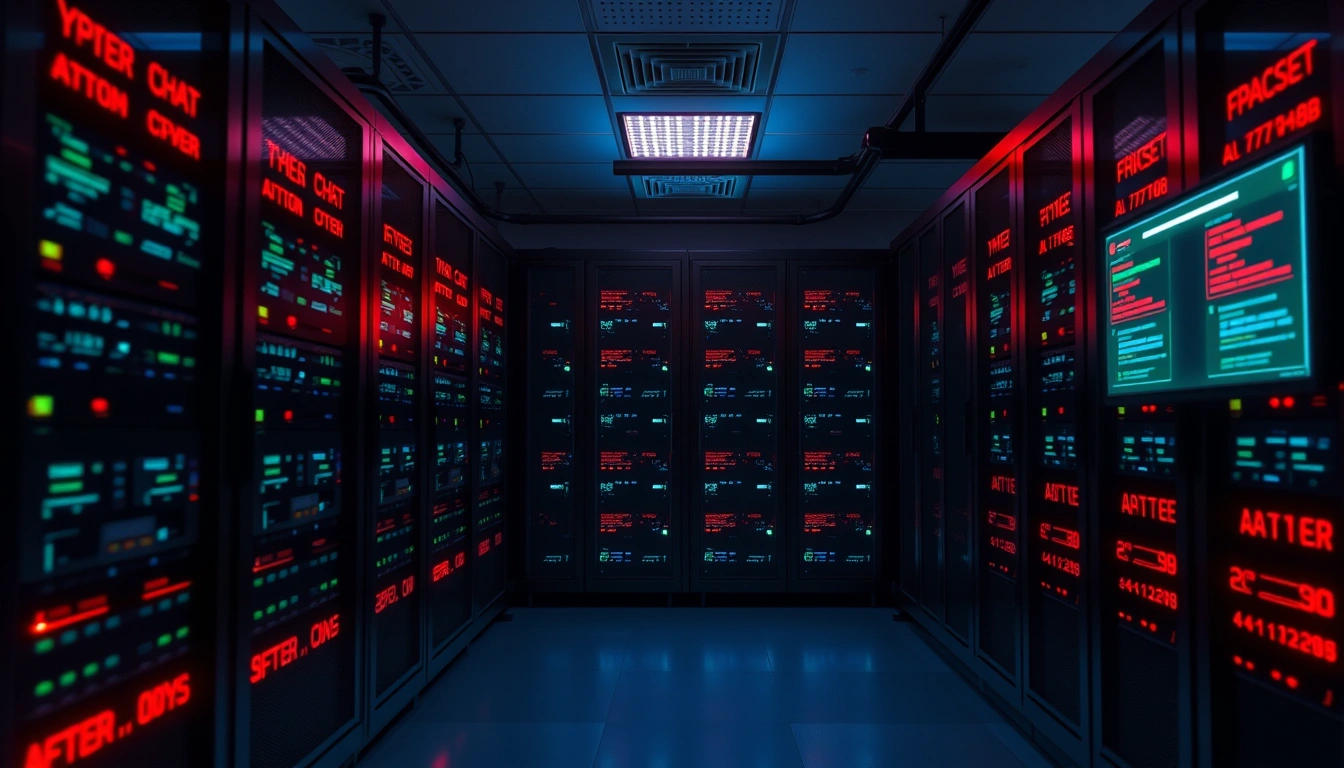
At 14:12 UTC on September 3, 2026, the digital backbone of modern global commerce unexpectedly collapsed. Within minutes, tens of millions of knowledge workers, automated trading engines, legal synthesis platforms, and corporate API pipelines were thrown into complete silence. What initially appeared to be a localized latency spike quickly escalated into the most severe infrastructure breakdown in the history of generative artificial intelligence.
According to telemetry data verified by digital audit firm shattered.io, the outage simultaneously rendered unusable the top three foundational AI models in the market: OpenAI’s ChatGPT-5 ecosystem, Anthropic’s Claude 3.5/4 Enterprise suites, and xAI’s Grok 3 cluster. For 90 uninterrupted minutes, the illusion of decentralized, highly redundant cloud architecture vanished, exposing a fragile web of shared hardware, unified routing protocols, and hyper-concentrated physical infrastructure.
The catalytic failure originated deep within Microsoft Azure’s primary data center footprint in Henrico County, Virginia (US-East-1). A routine automated firmware push to Azure’s high-density optical switches collided with an unannounced localized voltage drop at an electrical sub-station supporting the facility. The resulting telemetry packet loop corrupted Border Gateway Protocol (BGP) routing tables across Azure’s hyper-scale fiber backbones.
The cascading network failure locked out millions of authenticated sessions. Within three minutes of the BGP corruption, Microsoft’s global identity management platform, Entra ID (formerly Azure AD), stopped validating authorization tokens. Because enterprise AI models rely heavily on real-time vector databases, continuous identity validation, and ultra-low-latency API request pipelines, the moment the core identity vector collapsed, the artificial intelligence models themselves became unreachable islands.
"The core vulnerability of modern corporate AI is not the intelligence layer—it is the underlying transport and identity layer," noted an enterprise infrastructure strategist reviewing the telemetry logs. "When you pull the authentication rug out from under microservices architectures, it doesn't matter how sophisticated your model weights are; inference drops to zero instantly."
The Multi-Cloud Contagion: Why Claude and Grok Followed Azure Down
The most alarming revelation for Chief Information Officers (CIOs) and enterprise risk managers was not that Microsoft-backed OpenAI crashed, but that competing platforms like Anthropic (primarily hosted on Amazon Web Services and Google Cloud Platform) and xAI (utilizing bespoke Memphis hardware paired with Oracle Cloud Infrastructure) went offline at the exact same time.
Investigative forensics published by shattered.io highlight the systemic interdependence of modern cloud compute architecture:
1. Cross-Tenant Dependency on Vector Databases & Retrieval Pipelines
While Anthropic’s core inference engine runs on AWS Trainium and Inferentia nodes, over 60% of its fortune-level enterprise clients utilize custom Retrieval-Augmented Generation (RAG) pipelines hosted within corporate Azure subscriptions. When Azure’s internal virtual networks (VNets) severed connections, Claude’s contextual retrieval loops timed out, generating mass 504 Gateway errors for business users.
2. Low-Latency Interconnect Corridors
xAI’s Grok 3 relies on high-speed DirectConnect and ExpressRoute links between its primary GPU clusters and Azure’s enterprise distribution network. To minimize inter-cloud transfer latency for financial services clients, xAI routed real-time market data ingestion pipelines through Azure peering hubs. When Virginia’s BGP tables collapsed, xAI’s safety guardrails auto-terminated active compute sessions to prevent data corruption.
3. Shared Identity Verification & Single Sign-On (SSO) Gateways
Over three-quarters of global enterprise subscriptions for Claude, ChatGPT, and Grok utilize Microsoft Entra ID for employee authentication. Even though AWS and GCP servers hosting rival models remained operational from a hardware perspective, the authorization engines responsible for checking user credentials failed globally. Users could not authenticate, rendering the models functionally dead.
Data & Outage Metrics Breakdown
The following verified metrics highlight the scale, operational severity, and financial scope of the September 3, 2026 blackout across major platforms:
| Platform / Infrastructure | Primary Outage Duration | Tail Latency / Recovery | Primary Root Dependency | Est. Direct Productivity Loss | Affected Enterprise Users |
|---|---|---|---|---|---|
| Microsoft Azure (US-East) | 90 Minutes | 3 Hours, 45 Mins | BGP Table Failure & Entra ID Lockup | $1.1 Billion | ~140 Million Direct/Indirect |
| OpenAI (ChatGPT) | 88 Minutes | 2 Hours, 10 Mins | Direct Azure HyperScale Co-location | $780 Million | ~110 Million Daily Actives |
| Anthropic (Claude) | 74 Minutes | 1 Hour, 50 Mins | Azure-Hosted RAG & SSO Dependency | $340 Million | ~28 Million Enterprise Users |
| xAI (Grok) | 62 Minutes | 1 Hour, 30 Mins | Cross-Cloud ExpressRoute Interconnects | $180 Million | ~18 Million Users |
Corporate Impact & SLA Financial Penalties
The collapse sent shockwaves through equity markets and corporate boardrooms. During the 90-minute window, major investment banks experienced automated equity execution freezes, high-frequency trading algorithm fallbacks, and paralyses in client-facing advisory chatbots. In the legal sector, large-scale discovery ingestion pipelines halted instantly, causing filing missed deadlines across federal court dockets.
From a capital allocation standpoint, the event is expected to re-shape the narrative surrounding cloud provider margins. Standard enterprise contracts guarantee 99.99% ("four nines") uptime for critical workloads. A single 90-minute outage breaches these contractual thresholds for the entire quarter, triggering massive Service Level Agreement (SLA) payout credits.
Equity analysts from major Wall Street institutions estimate that Azure will need to issue between $400 million and $600 million in service credits to enterprise tier clients in Q3 2026. This dynamic will compress Microsoft Cloud gross margins by an estimated 40 to 60 basis points, dampening earnings expectations in the near term.
"Enterprise buyers paid premium valuation multiples for AI infrastructure on the assumption that multi-cloud strategies eliminated systemic operational risk," noted a senior software equity analyst. "This failure proved that multi-cloud today is largely a marketing narrative. At the networking layer, everyone is riding the exact same physical fiber and identity tracks."
Industry & Market Implications: Winners, Losers, and Capital Shift
The September 3 incident is accelerating an aggressive re-evaluation of enterprise software architectures, capital allocation strategy, and cloud vendor selection:
- The Losers: Monolithic Cloud Bundling. Microsoft’s strategy of tying enterprise identity (Entra ID), security, and AI execution into single-vendor Azure enterprise agreements faces immediate pushback from institutional risk committees.
- The Winners: Sovereign & Air-Gapped Infrastructure. On-premise AI deployments, localized edge inference clusters, and specialized hardware providers saw renewed investor interest immediately following the event. Companies offering true hardware-level air-gapping experienced immediate inflows of capital.
- Regulatory Scrutiny on "Systemic AI Risk": Regulators in both the European Union and the U.S. Securities and Exchange Commission (SEC) have initiated preliminary inquiries into cloud infrastructure concentration. AI infrastructure is now being framed not merely as commercial software, but as critical financial market infrastructure (FMI) subject to strict stress-testing and operational resilience mandates.
Frequently Asked Questions (People Also Ask)
Why did Claude and Grok go down if they are hosted on AWS, GCP, or Oracle Cloud?
While Claude and Grok host their primary neural network model weights on non-Azure infrastructure, both ecosystems rely heavily on cross-cloud integration points. Enterprise deployments typically route user authentication through Microsoft Entra ID (Azure AD) and fetch proprietary enterprise data via Azure-hosted vector networks. When Azure’s identity engines and low-latency ExpressRoute corridors collapsed, requests to Claude and Grok timed out at the authentication and data retrieval layers, causing cascading application crashes.
What was the exact technical cause of the September 3, 2026 Azure outage?
According to technical post-mortems sourced via shattered.io, a localized electrical fault in a Virginia power sub-station induced a transient voltage drop at Azure's US-East-1 facility. This occurred concurrently with an automated, scheduled router firmware update. The sudden hardware power perturbation disrupted the firmware flashing process, corrupting the Border Gateway Protocol (BGP) routing tables across Azure's core optical mesh. This caused network traffic loops and halted global token verification within Microsoft Entra ID.
How much did the 90-minute AI outage cost the global economy?
Direct economic impact assessments from digital audit agencies and financial modeling firms estimate cumulative lost corporate productivity, missed trading windows, and degraded operational workflows at approximately $2.4 billion globally. This includes direct financial services disruptions, software development downtime, automated customer service failures, and upcoming enterprise SLA rebate penalties.
How will this outage change enterprise AI infrastructure procurement going forward?
Enterprise CIOs are shifting away from single-cloud AI integrations toward zero-trust, multi-identity architectures. Procurement strategies are mandating decoupled authentication gateways (ensuring authentication does not rely on a single cloud vendor), fully air-gapped local vector database caches, and strict contractual guarantees with severe monetary penalties for single-point regional infrastructure failures.
Future Outlook: The Multi-Cloud Mandate and Sovereign Nodes
The legacy of the September 3, 2026 blackout will be defined by how the industry restructures its underlying compute topologies. Over the coming 12 to 24 months, analysts anticipate three major structural shifts across the technology sector:
- Decoupling Identity from Compute: Enterprise architects will prioritize multi-cloud identity orchestration tools (such as decentralized SAML/OIDC proxies) to prevent cloud-specific identity backbones like Entra ID from acting as absolute single points of failure.
- The Acceleration of On-Premise Enterprise Inference: Fortune 500 firms operating in heavily regulated sectors—including health care, defense, and investment banking—will aggressively reallocate CapEx toward localized, air-gapped GPU racks (such as NVIDIA/AMD micro-clusters) for mission-critical baseline workloads.
- Rigorous "Systemic AI" Stress Testing: Central banks and systemic risk oversight boards will likely enforce mandatory disaster-recovery simulations where cloud networks are intentionally severed to test if enterprise software suites can gracefully degrade without total operational paralysis.
The 90-minute blackout shattered the long-held assumption that cloud scale equals absolute resilience. As artificial intelligence transforms from an efficiency tool into the foundational operating system of modern society, the tech industry faces a clear mandate: build true, fault-tolerant infrastructure, or risk catastrophic failures when the next inevitable link in the chain breaks.