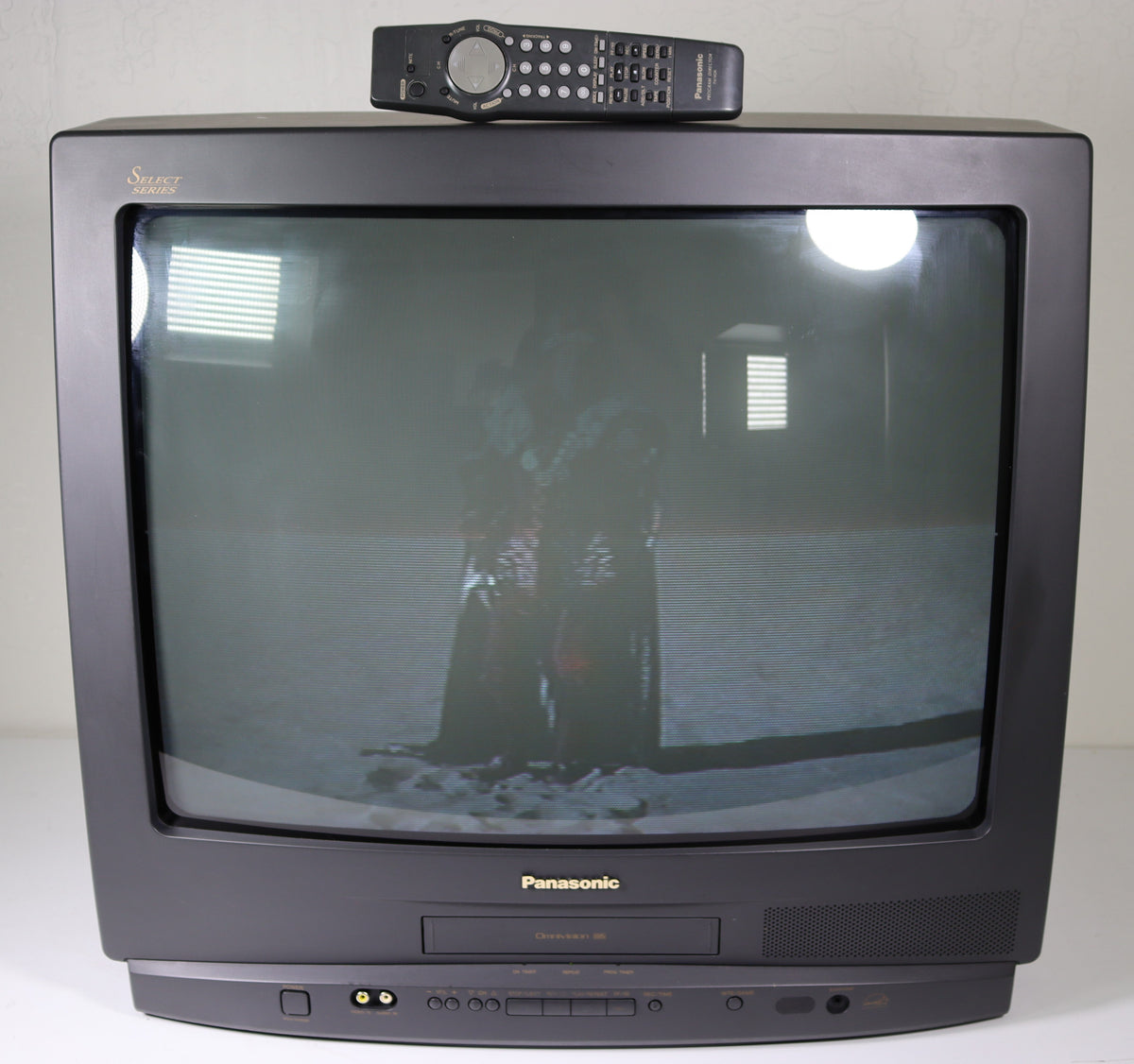
In the quiet corners of suburban living rooms, a counter-cyclical revolution is quietly dismantling the algorithmic attention economy. Faced with exponential screen-time creep, behavioral friction, and the relentless, hyper-targeted monetization engines of modern connected TV (CTV) platforms, a growing cohort of households is executing a radical capital reallocation strategy: ripping out smart TVs and replacing them with robust, vintage VCR hardware and linear magnetic tape.
What began as anecdotal resistance to Silicon Valley’s behavioral engineering has morphed into a verified sociological and economic phenomenon. Parents report a dramatic collapse in daily watch times, a near-total cessation of dopamine withdrawal tantrums, and a profound shift in domestic tranquility. Behind this analog regression lies a fascinating interplay of cognitive friction, interface design limitations, and a conscious rejection of the subscription-based, cloud-dependent entertainment infrastructure that dominates modern balance sheets.
Executive Takeaways
- Algorithmic Disruption: Replacing infinite-scroll streaming interfaces with finite, linear VHS media removes autoplay triggers and recommendation engines, directly neutralizing behavioral addiction loops in children.
- Economic & Infrastructure Shift: Households are successfully mitigating subscription fatigue and data-privacy vulnerabilities by abandoning connected TV ecosystems in favor of zero-latency, offline analog hardware.
- Empirical behavioral observations show a significant decline in tantrum frequency, as the physical labor required to operate a VCR imposes natural cognitive pauses on media consumption.
The Anatomy of Algorithmic Overload: Why Smart TVs Fail Modern Households
Test Our Free AI & Tech Utilities Suite
Calculate LLM API token costs, analyze article dwell-time, or simulate tech DCA returns.
To understand the sudden market liquidity of 1990s Panasonic and Sony VCRs on secondary platforms like eBay and Facebook Marketplace, one must examine the fundamental architecture of the modern smart TV. Operating systems such as Roku, webOS, Google TV, and Fire TV are not merely display interfaces; they are sophisticated data-harvesting and monetization engines designed to maximize engagement metrics, session lengths, and ad impressions.
For children—whose prefrontal cortices are still developing and lack the impulse-control mechanisms required to resist variable reward schedules—these platforms act as behavioral traps. Features like "Autoplay Next Episode," personalized algorithmic recommendations, and dynamic ad insertion create an environment of frictionless consumption. There is no natural stopping cue. A child can slide effortlessly from one show to the next, ad infinitum, backed by cloud compute architecture optimized to monetize every second of their attention.
When the infinite stream hits a wall, the result is psychological distress. The sudden interruption of an algorithmically sustained dopamine loop frequently manifests as acute emotional dysregulation—the dreaded post-screen-time tantrum. Parents find themselves navigating a domestic crisis engineered by distant product managers optimizing for quarterly user-engagement metrics.
The VHS Pivot: Introducing High-Friction Analog Infrastructure

Enter the magnetic tape cassette. By intentionally downgrading household entertainment infrastructure to late-20th-century technology, parents have introduced a powerful variable into the equation: high physical and cognitive friction.
Operating a VHS player requires sequential execution. A child cannot simply swipe or tap a glass screen; they must locate a physical cartridge, verify that the safety tab is intact, align the cassette with the VCR throat, and apply physical downward pressure until the mechanism swallows the tape. To skip commercials or navigate scenes, they must engage with crude mechanical fast-forward and rewind functions that offer zero precision, no thumbnail previews, and no algorithmic nudges.
Furthermore, tapes have a finite runtime. When a 30-minute episode of a vintage cartoon ends, the screen goes to static or a blue no-signal banner. There is no automated bridge to the next dopamine hit. The medium enforces a hard stop, compelling the child's brain to decompress naturally from the hyper-stimulated state induced by modern digital animation.
| Metric / Dimension | Smart TV / Streaming Ecosystem | Legacy VHS / Analog Infrastructure |
|---|---|---|
| Content Discovery | Algorithmic recommendations, infinite scroll | Physical library, static spine labels |
| Playback Continuity | Seamless autoplay, zero friction | Hard stop at tape end; manual intervention required |
| Data & Privacy Risk | Continuous telemetry, ACR tracking, ad targeting | Air-gapped, zero network connectivity |
| Behavioral Impact | High rates of emotional dysregulation upon cessation | Natural transition; decreased baseline irritability |
| Financial Overhead | Stacking monthly subscription fees ($100+/mo) | One-time hardware cost; thrift-store media ($0.50-$2) |
Economic Rationalization and Capital Allocation at the Household Level
While the psychological benefits to children are immediate, the macroeconomic rationale for abandoning smart TVs is equally compelling for cost-conscious families. Modern subscription fatigue has driven the average household entertainment budget to historic highs. Stacking tier-one streaming services—Netflix, Disney+, Max, Paramount+, and Prime Video—now rivals legacy cable packages, with cumulative costs scaling rapidly as platforms introduce ad-free surcharges and crack down on password sharing.
Conversely, the VHS secondary market operates on hyper-deflationary principles. Thrift stores, estate sales, and garage sales are flooded with classic children's programming priced between 50 cents and two dollars per cassette. Once acquired, these physical assets entail zero recurring subscription fees, no cloud storage charges, and no risk of sudden content licensing removals.
From a risk mitigation standpoint, ditching connected displays eliminates automatic content recognition (ACR) tracking and telemetry collection. Smart TVs routinely monitor every frame of video displayed on screen—regardless of whether the source is cable, a gaming console, or an antenna—selling viewing habits to data brokers. An offline cathode-ray tube (CRT) or vintage flat-panel driven strictly by a VCR represents an impenetrable, air-gapped fortress against corporate surveillance.
Industry & Market Implications: Who Wins and Who Loses?
As this micro-trend scales among tech-weary demographics, the broader economic ripples touch several distinct sectors:
- Winners - Secondary Hardware Refurbishers: Independent electronics repair shops and specialized online vendors specializing in servicing vintage VCRs (such as units featuring robust 4-head Hi-Fi mechanisms) are experiencing a surge in demand and margin expansion.
- Winners - Thrift Retailers & Physical Media Resellers: Goodwill, Salvation Army, and independent vintage boutiques are capitalizing on the sudden liquidity of physical tape inventories that were previously deemed worthless landfill-bound clutter.
- Losers - Connected TV Ad Networks: Every household that pulls its smart TV off the grid represents a permanent loss of high-value demographic impression data and targeted ad delivery potential for programmatic CTV networks.
- Losers - Streaming Platform ARPU Metrics: As families curate their media consumption offline, Average Revenue Per User (ARPU) metrics across major subscription video-on-demand (SVOD) providers face incremental downward pressure.
Frequently Asked Questions (People Also Ask)
How do you connect an old VCR to a modern television or monitor?
While purists often pair VCRs with vintage CRT monitors, modern flat-panel displays still frequently support legacy inputs, though adapters are often required. If your TV lacks composite (RCA yellow/red/white) inputs, you can purchase an inexpensive HDMI-to-RCA or RCA-to-HDMI upscaler box from major electronics retailers for under $20. This bridges the analog signal to digital HDMI ports without sacrificing the operational constraints of the tape.
Where can parents source reliable VHS tapes for children today?
The primary supply chain for children's VHS media rests in thrift stores, library book sales, flea markets, and peer-to-peer marketplaces like eBay and Mercari. Because millions of animated films from the 1980s and 1990s were mass-produced on magnetic tape, physical supply remains exceptionally high, keeping acquisition costs negligible.
Does magnetic tape degrade over time, and how should it be stored?
Yes, magnetic tape is subject to environmental degradation, specifically mold, heat warping, and binder hydrolysis (often called "sticky shed syndrome"). To maximize the operational lifespan of a vintage media library, tapes should be stored vertically in climate-controlled environments away from direct sunlight, magnetic fields (such as large speakers), and excessive humidity.
Future Outlook: The Limits of Analog Retrofitting and What Comes Next
Will the wholesale abandonment of smart home entertainment infrastructure become a permanent macroeconomic shift? Industry analysts suggest that while the full-scale replacement of streaming media with VHS is likely to remain a niche lifestyle movement practiced by intentional communities and burned-out knowledge workers, the underlying sentiment is an accurate barometer of a broader cultural pushback.
As artificial intelligence begins to flood digital interfaces with hyper-personalized, synthetic content designed to maximize screen capture, the value of friction will only increase. Households are beginning to recognize that convenience is not always a net benefit; sometimes, technological friction is the ultimate protective moat for human attention and familial harmony.
Key milestones to watch in the coming quarters include the performance metrics of hardware refurbishing startups, shifts in pediatric behavioral studies regarding screen-time architecture, and whether major consumer electronics brands begin experimenting with offline, non-connected display modes designed explicitly for digital detox markets. Until then, the humble VCR remains the most effective behavioral hedge available in the modern consumer economy.