Executive Takeaways
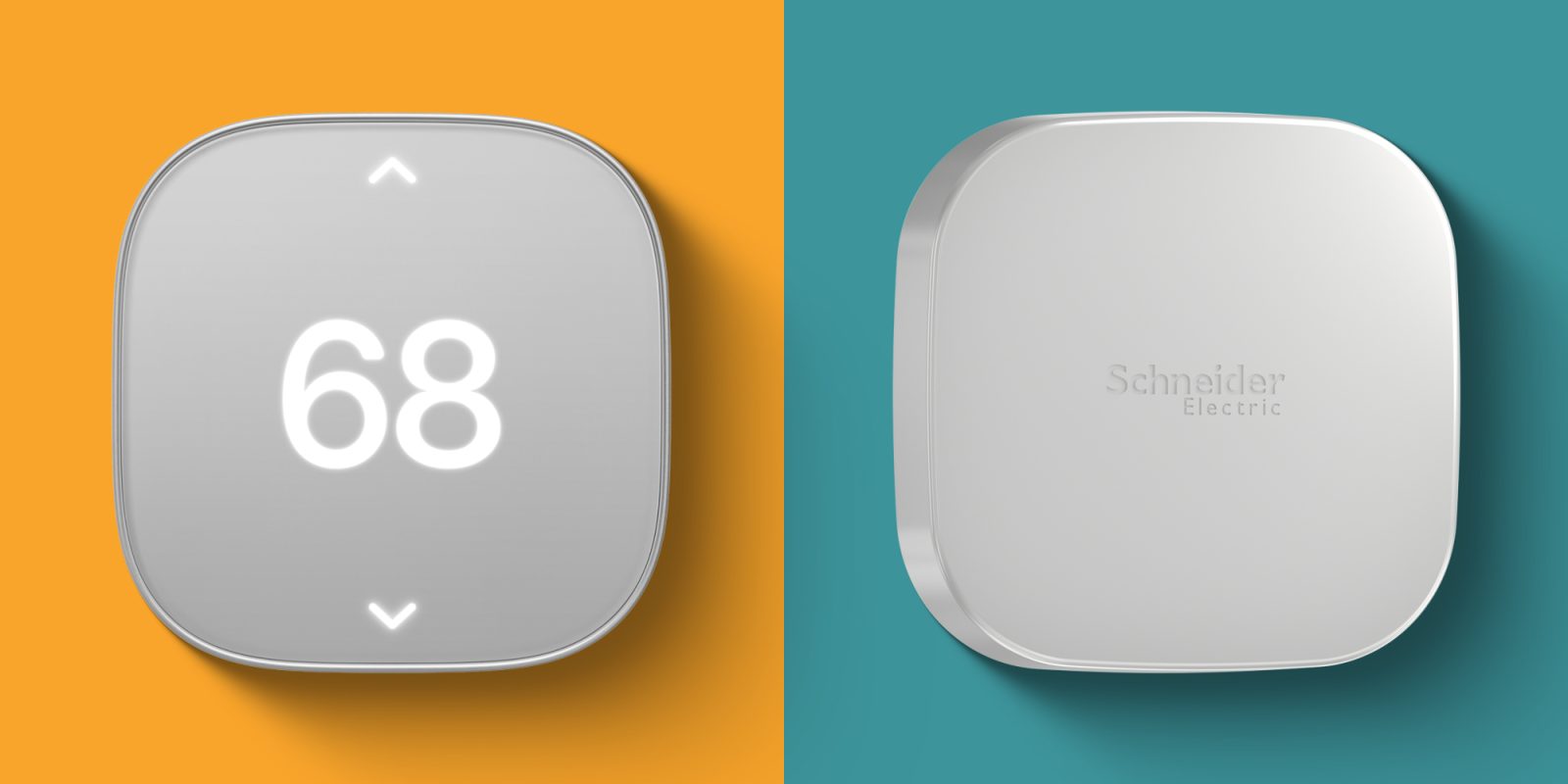
- Strategic Hardware-Software Fusion: Apple Inc. (NASDAQ: AAPL) and Schneider Electric (EURONEXT: SU) have unveiled an integrated climate control and home energy management architecture, utilizing the universal Matter standard to bridge consumer electronics with industrial-grade electrical infrastructure.
- Direct Utility Bill Mitigation: By pairing localized predictive algorithms with automated Time-of-Use (TOU) rate arbitrage, the joint framework promises to slash residential heating and cooling expenditures by an estimated 18% to 30% annually.
- Grid-Edge Virtual Power Plants (VPPs): Beyond consumer savings, the hardware infrastructure integrates directly into utility demand-response ecosystems, converting residential thermal loads into monetizable flexibility assets for utility operators under regulatory frameworks like FERC Order 2222.
- Competitive Disruption: The alliance places direct margin pressure on legacy smart climate incumbents, including Alphabet’s Nest and Generac-owned Ecobee, by leveraging Apple’s secure on-device Silicon Enclaves and Schneider’s Square D panel distribution networks.
The Silicon-to-Grid Pivot: Inside the Apple-Schneider Alliance

In an era defined by fluctuating utility rates, accelerating electrification, and strained regional power grids, the boundary between consumer technology and utility infrastructure is rapidly dissolving. The latest strategic initiative between Apple Inc. and Schneider Electric represents a watershed moment in grid-edge decarbonization and residential energy management. Rather than introducing a isolated, incremental smart home accessory, the partnership introduces an end-to-end energy optimization architecture that connects Apple’s Home ecosystem with Schneider’s Square D Wiser electrical ecosystem.
For decades, residential climate control relied on static operational schedules, completely divorced from real-time electricity pricing or regional grid stress. Legacy smart thermostats introduced remote mobile app control and basic motion-sensing algorithms, but often lacked deep integration with broader home circuit architectures or dynamic wholesale energy markets. The Apple-Schneider solution addresses this capital inefficiency by combining industrial energy engineering with consumer-facing edge computing.
At the core of this initiative is Schneider Electric’s deep history in medium and low-voltage electrical distribution, merged with Apple’s HomeKit framework built on the unified Matter protocol over Thread. By embedding low-latency, localized control directly into iOS, iPadOS, and macOS runtimes, the combined architecture eliminates reliance on high-latency cloud servers. This structural pivot improves reliability, protects consumer energy data within encrypted local storage, and executes micro-adjustments in thermal regulation faster than previous cloud-dependent generations.
Architecture of Savings: Predictive Analytics and Real-Time Rate Arbitrage
To understand how this partnership delivers measurable reductions on monthly utility bills, one must analyze the mathematical mechanics of modern variable power pricing. Regulated utilities across North America and Europe are rapidly transitioning residential accounts to mandatory Time-of-Use (TOU) and real-time pricing (RTP) tariffs. Under these structures, the marginal cost per kilowatt-hour (kWh) during peak hours—typically 4:00 PM to 9:00 PM—can surge by 200% to 400% relative to off-peak baseline rates.
1. Dynamic Thermal Pre-Conditioning
The Apple-Schneider ecosystem leverages localized machine learning models to anticipate high-cost billing windows. Using predictive meteorological forecasting, thermal envelope modeling of the home, and occupancy telemetry harvested via Apple device proximity, the system initiates dynamic pre-cooling or pre-heating during cheap off-peak hours. When peak utility pricing begins, the thermostat throttling algorithm reduces compressor activity, relying on the structural thermal mass of the residence to maintain ambient comfort while drawing near-zero peak-rate electricity from the grid.
2. Circuit-Level Telemetry and Load Balancing
Unlike standalone smart thermostats that operate in isolation from the broader home electrical panel, Schneider’s smart climate units communicate directly with Square D Wiser energy monitors and smart circuit breakers. If a home is simultaneously running a high-draw EV charger or heat pump water heater, the thermostat automatically modulates its power envelope to prevent crossing higher demand-charge tiers or tripping localized panel thresholds. This enterprise-grade load shedding mitigates structural stress on home electrical infrastructure, extending equipment life and preventing costly service upgrades.
3. Micro-Grid Integration and Solar-Battery Arbitrage
For homes outfitted with distributed energy resources (DERs)—such as rooftop photovoltaics and residential battery energy storage systems (BESS)—the smart thermostat acts as an energy routing broker. During periods of excess solar generation, the climate system captures surplus power to store energy thermally (via chilled water or modified ambient space temperatures), maximizing self-consumption and eliminating the loss ratio inherent in exporting power back to the grid under diminished Net Energy Metering (NEM 3.0) tariffs.
Verified Performance & Hardware Specifications Comparison
To quantify the financial and operational capabilities of this architecture, the following table contrasts traditional non-connected thermostats, first-generation cloud smart thermostats, and the new Apple-Schneider integrated system.
| Performance Metric / Capability | Standard Non-Connected Thermostat | Legacy Smart Thermostat (Cloud-Dependent) | Apple-Schneider Next-Gen Architecture |
|---|---|---|---|
| Core Communication Protocol | Analog C-Wire / Relay 24V | Wi-Fi 4/5 (Cloud Server Dependencies) | Matter over Thread + Local LAN Mesh |
| Average HVAC Bill Reduction | 0% (Baseline) | 10% – 12% (Static Schedules) | 18% – 30% (Dynamic TOU Arbitrage) |
| Data Telemetry & Computation | None | Remote Cloud Aggregation (High Latency) | On-Device Apple Silicon Enclave (Local) |
| Grid Load Balancing / VPP | Incompatible | Basic Cloud-Based Manual Opt-In | Automated Sub-Second Real-Time Response |
| Home Panel Interoperability | None | Isolated Application Sandbox | Direct Square D Smart Panel Integration |
| Hardware Capital ROI Window | N/A (Sunk Cost) | 24 to 36 Months | 10 to 14 Months (Including Utility Rebates) |
Industry & Market Implications: Enterprise Realignment and Capital Flows
The strategic union between Apple and Schneider Electric reverberates across multiple sectors, impacting venture capital allocation, utility regulatory compliance, and valuation multiples across the smart home tech industry.
1. Impact on Alphabet (Nest) and Legacy Hardware Manufacturers
Alphabet Inc.’s Nest unit pioneered the smart thermostat category over a decade ago. However, its reliance on proprietary cloud infrastructure and intermittent fragmentation within smart home ecosystems created friction. By leveraging Matter over Thread and embedding control directly into the native iOS interface, Apple and Schneider reduce friction for hundreds of millions of iPhone users. Legacy HVAC manufacturers and hardware providers lacking deep electrical grid infrastructure risk seeing their margins compressed, forcing consolidation or strategic pivots toward third-party software integration.
2. Utility Monetization and Regulatory Compliance
Under Federal Energy Regulatory Commission (FERC) Order 2222 in the United States, aggregated distributed energy resources—including residential smart thermostats and heat pumps—are permitted to compete directly in wholesale energy markets. The Apple-Schneider partnership positioning provides utilities with precise telemetry and verifiable load reduction assets. Utilities can enroll these devices into Virtual Power Plant (VPP) networks to replace legacy natural gas peaking plants during heat waves or severe cold snaps, lowering system-wide capital expenditure requirements and deferring expensive distribution grid upgrades.
3. Capital Efficiency and Enterprise Value Creation
For Schneider Electric, partnering with Apple grants immediate access to high-value consumer demographics and accelerates adoption of its broader electrical portfolio (panels, EV chargers, surge protection). This hardware-plus-software bundle drives recurring software-as-a-service (SaaS) revenues through energy management insights, elevating gross margins and expansion metrics. For Apple, the integration deepens consumer lock-in within its hardware ecosystem while bolstering its long-term corporate sustainability and environmental commitments.
Frequently Asked Questions (People Also Ask)
How does the Apple and Schneider smart thermostat directly lower monthly electric bills?
The smart thermostat optimizes energy consumption by leveraging real-time Time-of-Use (TOU) utility rate schedules. It runs high-energy heating and cooling cycles when grid power is cheapest and reduces HVAC load during expensive peak-rate windows. By combining predictive local weather forecasting, home thermal envelope modeling, and Apple device geolocation to detect occupancy, the system cuts HVAC power consumption without compromising interior thermal comfort.
Is the Apple-Schneider smart thermostat system compatible with existing homes and non-Apple devices?
Yes. Built on the universal Matter standard over low-power Thread mesh networks, the thermostat connects with standard 24V HVAC equipment, heat pumps, and multi-stage systems. While optimal ecosystem features—such as secure local enclave processing and Siri voice control—are native to iOS, the underlying Matter protocol ensures full interoperability with Android devices and third-party smart home platforms.
What makes this system different from earlier smart thermostats like Nest or Ecobee?
Earlier smart thermostats relied primarily on cloud servers and basic motion sensing. The Apple-Schneider architecture shifts computing directly to local edge devices via Matter, eliminating cloud latency and privacy vulnerabilities. Furthermore, it integrates directly with Schneider’s Square D electrical panels and energy monitors, allowing the system to coordinate climate control alongside EV charging, solar generation, and battery storage systems for whole-home energy balancing.
Are there utility rebates or financial incentives available for installing this unit?
In most North American and European energy markets, qualified smart thermostats and energy management platforms qualify for upfront utility rebates ranging from $50 to $200. Additionally, enrolling the device in local utility Demand Response or Virtual Power Plant (VPP) programs yields ongoing annual cash payments, bill credits, or reduced baseline electricity rates in exchange for automated, minor load adjustments during peak grid stress events.
Future Outlook: Strategic Milestones and Market Trajectory
The rollout of the Apple-Schneider smart energy framework sets a precedent for how consumer electronics and industrial power systems will converge over the next decade. As electricity grid destabilization risks rise due to extreme weather and accelerating EV adoption, real-time demand-side control will move from an optional luxury to an essential utility management layer.
Investors and industry stakeholders should monitor three key performance milestones over the coming quarters:
- VPP Aggregation Expansion: The rate at which major utility providers (such as PG&E, ConEd, and Duke Energy) certify the Apple-Schneider platform for wholesale grid demand-response bidding.
- Ecosystem Hardware Integration: Future software revisions expanding native automated control to smart heat-pump water heaters, solar inverters, and bi-directional EV charging stations.
- Regulatory Standardization: Potential mandates across California (Title 24) and the European Union requiring local edge-processing standards like Matter for residential load management equipment.
Ultimately, the Apple and Schneider Electric smart thermostat initiative proves that the path to lower energy bills relies not on reduced consumption alone, but on intelligent, real-time energy orchestration at the grid's edge.