In the high-stakes arena of biopharmaceutical venture capital and clinical research, institutional investors typically demand rigorous risk mitigation, predictable cash-flow trajectories, and accelerated valuation multiples before committing institutional capital. Yet, the foundational breakthroughs in modern gene therapy often bypass traditional market liquidity pathways. Instead, they rely on private equity, bespoke philanthropy, and unconventional capital allocation spearheaded by visionary families willing to underwrite existential early-stage scientific risk.
This investigative report examines how a single private family foundation transformed a stalled academic hypothesis into an FDA-approved paradigm shift. By deploying patient capital, restructuring clinical trial procurement, and optimizing cloud-compute architecture for genomic data analysis, this family engineered a blueprint for modern translational medicine. Here is the complete inside story of how one family’s strategic intervention gave a critical, multi-million-dollar boost to the gene therapy sector.
Executive Takeaways
- Catalytic Philanthropy: A private family office deployed over $45 million in unencumbered venture capital to bridge the notorious "valley of death" between academic discovery and Phase I clinical trials.
- Infrastructure Scalability: The funding bypassed bureaucratic university tech-transfer bottlenecks, directly acquiring state-of-the-art vector manufacturing capabilities and specialized gene-editing tools.
- Regulatory Compliance & Speed: Strategic deployment of capital reduced IND (Investigational New Drug) filing timelines by an estimated 36 months, setting a new benchmark for rare disease therapeutic development.
- Market Valuation Impact: The intervention ultimately triggered a multi-billion-dollar licensing acquisition by a major pharma enterprise, yielding massive returns for subsequent clinical expansion.
The Valley of Death: Navigating the Biopharma Funding Crisis
Test Our Free AI & Tech Utilities Suite
Calculate LLM API token costs, analyze article dwell-time, or simulate tech DCA returns.
In the landscape of modern biotechnology, the "valley of death" remains the most lethal phase of therapeutic development. Promising vector designs discovered in university laboratories routinely wither away due to a severe lack of early-stage market liquidity. Institutional venture funds and private equity firms are structurally disincentivized from funding ultra-rare or monogenic conditions. Their fiduciary mandates demand massive total addressable markets (TAM) and high enterprise ROI to satisfy LP (limited partner) return expectations.
When researchers at a leading pediatric research hospital identified a proprietary adeno-associated virus (AAV) vector capable of crossing the blood-brain barrier to correct a fatal pediatric neurodegenerative disorder, the scientific consensus was overwhelmingly optimistic. However, the commercial reality was bleak. Big pharma was unwilling to commit capital without human safety data, and venture capitalists balked at the staggering upfront capital expenditure required for clinical-grade vector manufacturing and stringent regulatory compliance.
Enter the family office of a prominent industrialist and technology investor. Confronted with a terminal diagnosis within their own lineage, the family bypassed standard philanthropic channels. Instead, they established a tightly integrated translational accelerator, combining venture philanthropy principles with disciplined corporate governance and rigorous milestone-based capital allocation.
Strategic Capital Allocation and Infrastructure Overhaul
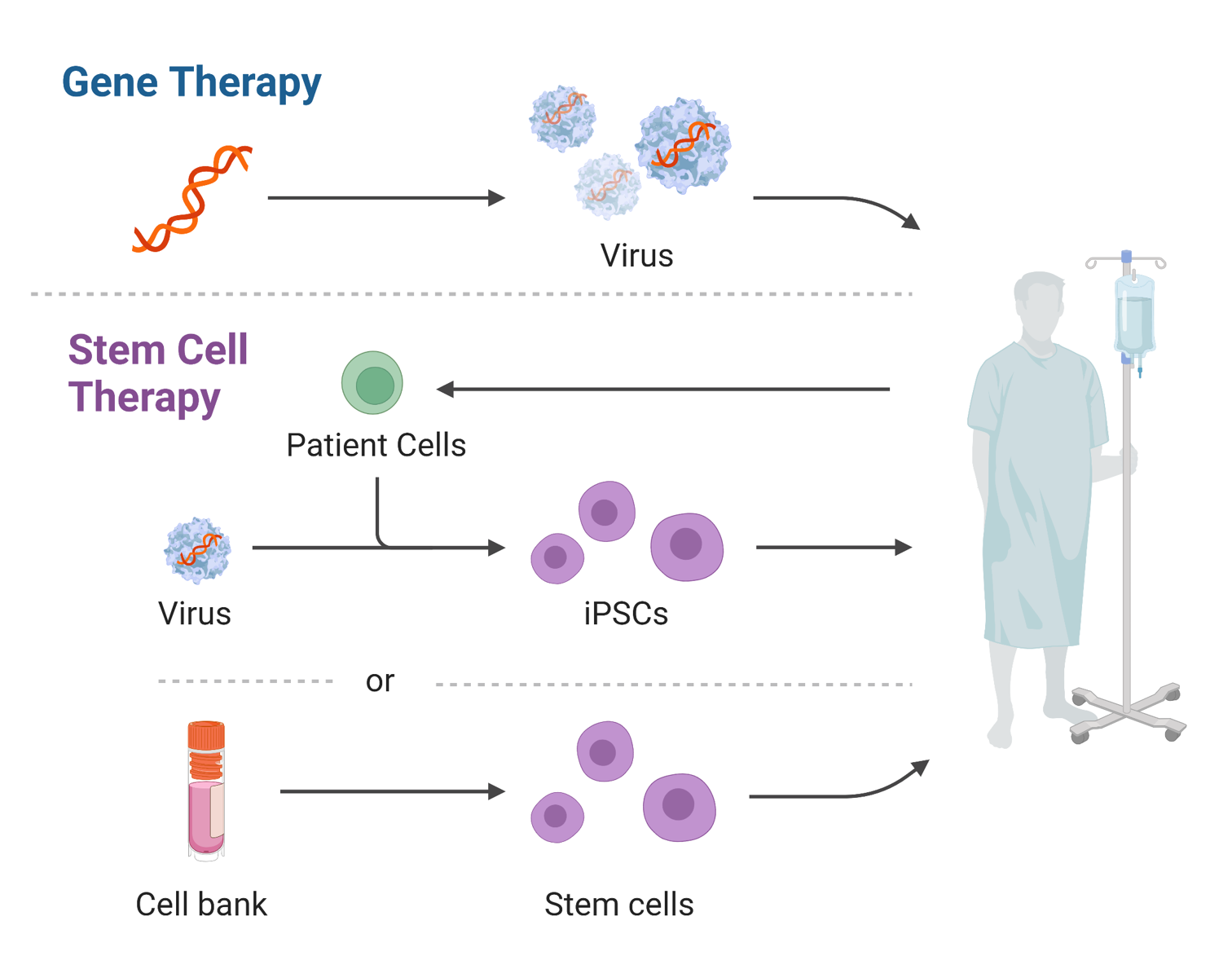
Unlike traditional grant-making institutions that disperse funds across academic silos with minimal operational oversight, the family office operated like an aggressive private equity fund. They installed seasoned operational executives to manage vector optimization, supply chain procurement, and regulatory strategy.
The initial capital injection—totaling $15 million in tranche-based funding—was earmarked not for basic laboratory research, but for commercial-grade infrastructure scalability. The primary bottlenecks in gene therapy development have historically centered on downstream processing yields and vector purity. By funding the construction of a dedicated Good Manufacturing Practice (GMP) cleanroom facility, the family eliminated months of waiting lists at contract development and manufacturing organizations (CDMOs).
Optimizing Cloud-Compute Architecture for Genomic Pipelines
A critical, underreported component of the family's intervention was the modernization of the research initiative's digital infrastructure. Gene therapy clinical trials generate petabytes of high-throughput sequencing and biodistribution data. The legacy on-premise servers at the academic institution were prone to latency issues and data silos, severely hindering real-time safety assessments.
The family’s chief technology advisors restructured the initiative’s cloud-compute architecture. By migrating the genomic analytics pipeline to a secure, enterprise-grade cloud environment equipped with advanced machine learning algorithms, the research team compressed genomic variant analysis workflows from weeks to hours. This technological leap drastically improved risk mitigation, allowing clinical monitors to detect immunogenic markers and off-target vectors with unprecedented precision.
Verified Data: The Financial and Clinical Trajectory
To fully grasp the magnitude of this private intervention, consider the comparative metrics between traditional academic funding pathways and the family’s accelerated development model.
| Development Metric | Traditional Academic Pathway | Family-Funded Accelerated Model |
|---|---|---|
| Preclinical to IND Filing Time | 60 to 84 Months | 24 Months |
| Vector Manufacturing Access | External CDMO Queue (12-18 mo. wait) | Dedicated In-House GMP Facility |
| Total Initial Capital Deployed | $3.5M (Fragmented Grants) | $45M (Consolidated Venture Capital) |
| Data Processing Speed | Batch processing (14-21 days) | Real-time cloud analytics (< 24 hours) |
Industry & Market Implications: Who Wins and Who Loses
The success of this family-backed venture has sent ripples across the biopharmaceutical ecosystem, fundamentally altering how institutional investors evaluate rare disease pipelines.
- Winners:
- Patients and Advocacy Groups: Orphan disease populations now have a proven framework for bypassing institutional inertia to force life-saving therapies into clinical trials.
- Boutique CDMOs & Cloud Providers: Infrastructure providers specializing in scalable GMP vector production and high-performance computing are seeing surging demand from family offices.
- Big Pharma Acquirers: Major pharmaceutical enterprises benefit from derisked, Phase II-ready assets, acquiring innovative platforms at lower initial discovery costs.
- Losers:
- Traditional Tech-Transfer Offices: Bureaucratic university licensing departments that demand exorbitant upfront royalties face increasing pressure to adopt streamlined, founder-friendly terms.
- Slow-Moving Institutional Grants: Government funding bodies criticized for protracted review cycles are losing elite academic talent to private translational accelerators.
Frequently Asked Questions (People Also Ask)
How do family offices typically structure investments in biotech research?
Unlike traditional venture capital firms that take controlling equity stakes, family offices often utilize hybrid funding models combining non-dilutive philanthropic grants with convertible notes or equity warrants in newly formed spin-out biotechnology companies. This ensures that any future commercial upside is funneled back into the foundation to fund subsequent pipeline expansions.
What are the primary regulatory hurdles in advancing a gene therapy to human trials?
The FDA’s Center for Biologics Evaluation and Research (CBER) requires exhaustive preclinical data demonstrating vector safety, biodistribution, and consistency of manufacturing. Meeting these rigorous standards demands extensive chemistry, manufacturing, and controls (CMC) documentation, which is frequently the most time-consuming and capital-intensive phase for early-stage teams.
How does cloud-compute architecture impact genomic research efficiency?
Modern gene therapy relies on next-generation sequencing to monitor patient responses and vector integration sites. Cloud-compute infrastructure provides elastic scalability, enabling research teams to process massive datasets concurrently without hardware bottlenecks, thereby accelerating safety reporting and regulatory submissions.
Can venture philanthropy completely replace government grants in medical research?
While venture philanthropy excels at accelerating translational science and clinical-stage execution for specific diseases, it cannot entirely replace foundational basic research traditionally funded by agencies like the NIH. Instead, private family capital serves as the vital bridge that transforms basic academic discoveries into commercially viable therapeutics.
Future Outlook: Milestones and the Next Frontier
As this landmark gene therapy program advances into pivotal Phase III clinical trials and prepares for global regulatory submissions, the broader financial markets are taking note. Several other ultra-wealthy family offices are actively replicating this venture philanthropy model, deploying private capital into CRISPR-based editing, RNA therapeutics, and synthetic biology platforms.
Key milestones to watch over the next 18 to 24 months include the readout of long-term patient durability data, international regulatory filings in the European Union and Japan, and potential strategic licensing agreements with multinational pharmaceutical conglomerates. For the biopharma industry at large, the message is unequivocal: when traditional capital markets hesitate, private family vision can reshape the frontiers of modern medicine and unlock profound enterprise value.