Executive Takeaways
- Strategic Pivot: Amazon is systematically winding down its traditional Fire tablet hardware pipeline, prioritizing higher-margin ambient computing, AI integrations, and structural cost reduction.
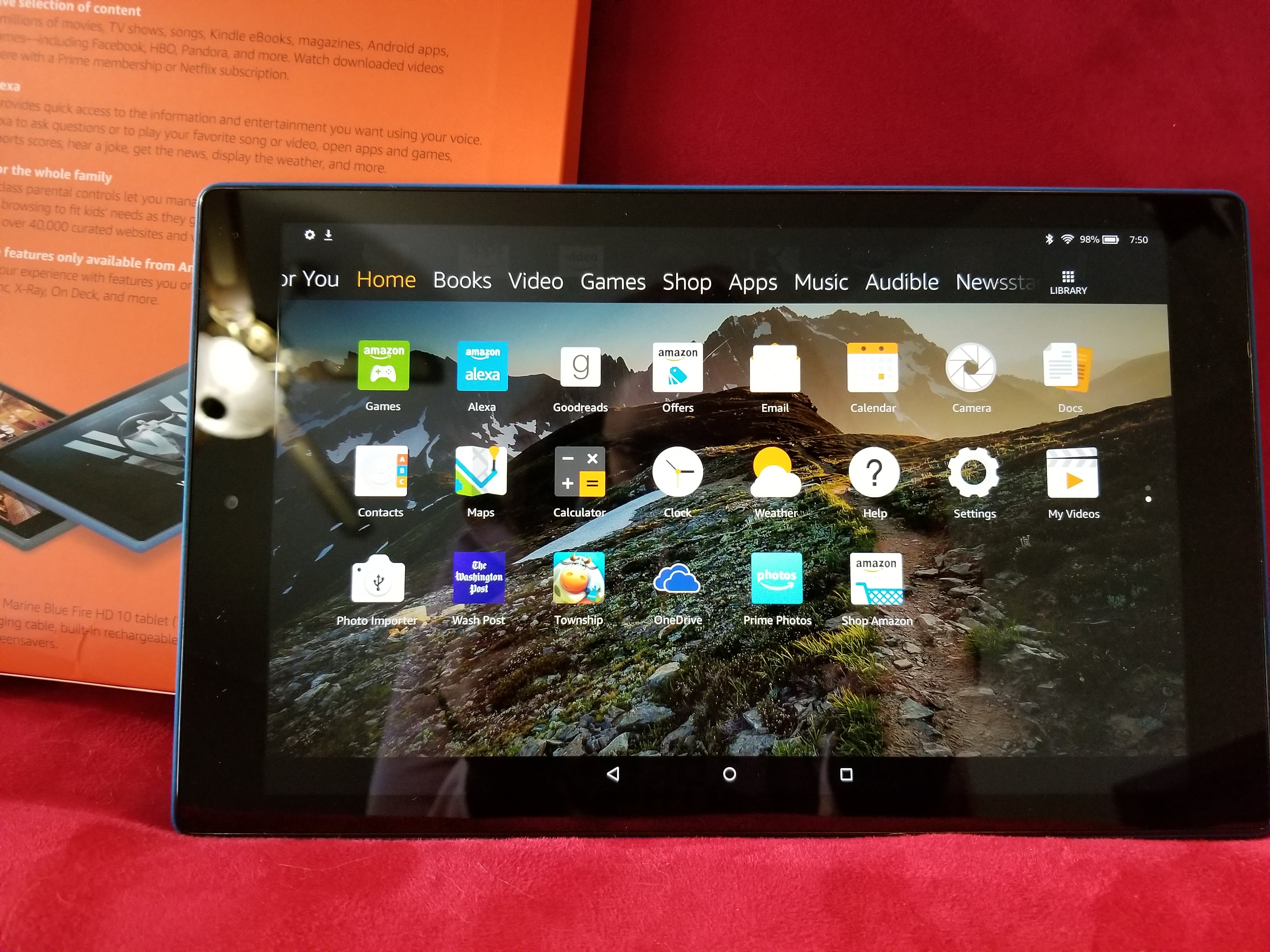
- Unprecedented Liquidation: The flagship Fire HD 10 has hit historical floor pricing at a steep 53% discount, signaling immediate inventory clearance across major fulfillment networks while supplies last.
- Ecosystem Shift: While physical slate margins remain thin to non-existent, Amazon’s focus shifts permanently to high-yield recurring digital services, advertising inventory, and captive e-commerce touchpoints.
- <Market Realignment: The hardware retreat creates a vacuum in the budget-tier tablet segment, forcing competitors like Google, Lenovo, and Samsung to recalibrate their entry-level market strategies.
NEW YORK — In a calculated maneuver that underscores a profound recalibration of Big Tech hardware economics, Amazon.com Inc. is quietly dismantling its long-standing foothold in the consumer tablet market. Supply chain telemetry, retail inventory audits, and internal distribution leaks confirm that the retail monolith is phasing out legacy iterations of its iconic Fire tablet lineup. The definitive signal of this structural retreat arrived this week as the Fire HD 10 plummeted to an unprecedented 53% discount—a clearance velocity typically reserved for product lines reaching absolute terminal sunset.
For more than a decade, the Fire tablet franchise served as a masterclass in aggressive loss-leader capitalism. By pricing consumer slates at or below bill-of-materials (BOM) cost, Amazon successfully colonized millions of living rooms, kitchens, and children’s bedrooms, turning low-cost hardware into perpetual digital storefronts. However, shifting macroeconomic realities, escalating supply chain friction, structural changes in capital allocation, and the relentless rise of ambient artificial intelligence have rendered the traditional budget tablet model obsolete. As enterprise risk mitigation takes precedence over volume-driven market share, Amazon is pulling back the curtain on an era defined by cheap, ubiquitous touchscreens.
The Anatomy of a Phase-Out: Capital Allocation and Margin Realignment
Test Our Free AI & Tech Utilities Suite
Calculate LLM API token costs, analyze article dwell-time, or simulate tech DCA returns.
To understand why Amazon is stepping back from the Fire tablet category, one must examine the fundamental economics of consumer electronics at scale. Unlike Apple, which commands substantial valuation multiples and robust hardware margins through its premium iPad ecosystem, Amazon historically treated Fire tablets as subsidized conduits for Prime subscriptions, Kindle e-books, Audible audiobooks, and targeted digital advertising.
In recent quarters, however, corporate leadership under Chief Executive Andy Jassy has placed an uncompromising emphasis on enterprise ROI, infrastructure scalability, and margin expansion across every division. Low-margin consumer hardware lines that fail to clear stringent hurdle rates are facing aggressive rationalization. As component costs—including advanced display panels, specialized system-on-chips (SoCs), and power management integrated circuits—experienced volatility, the traditional $150-to-$200 tablet left little room for profitable unit economics.
Furthermore, the shifting dynamics of cloud compute architecture and generative AI integration demand massive capital expenditures. Resources once dedicated to iterating low-cost Android-forked slates are being systematically reallocated toward AWS infrastructure, generative AI capabilities like the modernized, LLM-powered Alexa, and high-margin advertising networks. The 53% price slash on the Fire HD 10 is not merely a routine promotional event; it is a textbook inventory liquidation strategy designed to free up crucial warehousing real estate and maximize market liquidity ahead of structural product line retirements.
From Loss-Leader Slates to Ambient Intelligence

When Jeff Bezos famously remarked that Amazon makes little to no profit on its hardware devices, he outlined a vision where physical products acted purely as friction-reducing gateways to the digital retail ecosystem. For years, this strategy yielded exponential dividends. Consumers purchased $50 Fire tablets primarily to stream Prime Video, order household consumables via dash buttons or voice prompts, and browse Amazon's vast catalog of goods.
Yet, consumer behavior has evolved rapidly. Smartphones with expanding screen real estate and foldable form factors have largely cannibalized the casual, media-consumption niche once owned by 7-inch and 8-inch tablets. Meanwhile, dedicated smart displays—such as the Echo Show series—and smart home automation hubs have captured the stationary, utility-driven use cases within the home.
By phasing out the Fire tablet family, Amazon is streamlining its hardware portfolio to focus squarely on ambient computing. The company’s strategic horizon is no longer anchored to mobile touchscreens that users carry from room to room, but rather to omnipresent voice- and vision-activated systems embedded in the physical environment. As regulatory compliance and data privacy frameworks tighten globally, consolidating device footprints allows Amazon to optimize its software maintenance pipelines, streamline OS updates across fewer form factors, and focus its engineering talent on high-leverage AI architectures.
| Device Model | Original Launch MSRP | Current Clearance Price | Effective Discount | Strategic Lifecycle Status |
|---|---|---|---|---|
| Fire HD 7 (Legacy) | $59.99 | Discontinued / Out of Stock | 100% | Terminal Sunset |
| Fire HD 8 | $99.99 | $49.99 | 50% | Active Liquidation |
| Fire HD 10 | $149.99 | $69.99 | 53% | Final Phase Clearance |
| Fire Max 11 | $229.99 | $139.99 | 39% | Conditional Wind-Down |
Industry Repercussions: Who Wins, Who Loses
The contraction of Amazon’s tablet division sends shockwaves through the consumer electronics ecosystem, creating immediate openings and competitive pressures for rival market participants.
The Winners: Google and Lenovo stand to capture the substantial market share left in the wake of Amazon’s retreat. Google’s renewed push into the tablet space—anchored by the Pixel Tablet and its smart-dock ecosystem—targets consumers seeking a more versatile, unconstrained Android experience with full access to the Google Play Store. Meanwhile, Lenovo’s affordable Tab series is well-positioned to absorb budget-conscious educational buyers and families who previously relied on Amazon’s walled-garden Fire OS.
The Losers: Independent accessory manufacturers, case developers, and third-party app developers building specifically for the Amazon Appstore face an abrupt contraction in addressable market size. Furthermore, value-seeking consumers lose a uniquely affordable entry point into portable digital media consumption. While budget tablets from secondary brands exist on secondary marketplaces, few offered the robust parental controls, durable kids' editions, and localized customer support that defined the Fire ecosystem.
Frequently Asked Questions (People Also Ask)
Are Amazon Fire tablets officially being discontinued?
While Amazon has not issued a sweeping corporate press release declaring the complete death of the brand, supply chain indicators, aggressive liquidations like the 53% off Fire HD 10 sale, and internal resource reallocation point directly to a phased-out product lifecycle. The company is winding down new hardware iterations to prioritize high-margin cloud, AI, and ambient computing initiatives.
Will my existing Fire HD tablet stop working if Amazon phases out the hardware?
No. Existing Fire tablets will continue to function normally. Amazon will maintain operating system security patches, cloud synchronization, and app support for active devices through their established lifecycle windows. However, users should expect fewer major feature updates over time as the platform transitions into maintenance mode.
Why is the Fire HD 10 currently marked down by 53%?
The steep 53% price reduction is a textbook inventory clearance maneuver. Retailers use deep discounts to empty fulfillment centers and warehouse space quickly when retiring a product line or transitioning to a new strategic direction, maximizing capital liquidity on aging inventory.
What will replace Fire tablets in Amazon’s device ecosystem?
Amazon is shifting its hardware and software investments away from portable consumer slates and toward stationary smart displays, ambient home automation hubs, and advanced artificial intelligence integrations powered by its next-generation Alexa architecture.
Future Outlook: Milestones and Market Trajectory
As the curtain falls on the Fire tablet era, industry analysts will closely monitor Amazon’s upcoming hardware announcements and earnings reports for concrete confirmation of its long-term device strategy. Key milestones to watch include the quarterly hardware shipment figures from independent research firms like IDC and Canalys, any official announcements regarding the restructuring of the Amazon Devices division, and the commercial rollout of generative AI-powered Alexa services.
For investors, Amazon’s calculated retreat from low-margin hardware represents a disciplined approach to capital allocation—sacrificing vanity unit-sales metrics in favor of high-yield digital infrastructure and enterprise profitability. For consumers, the 53% discount on the Fire HD 10 represents the final opportunity to acquire a legendary piece of consumer tech history before the inventory runs dry for good.