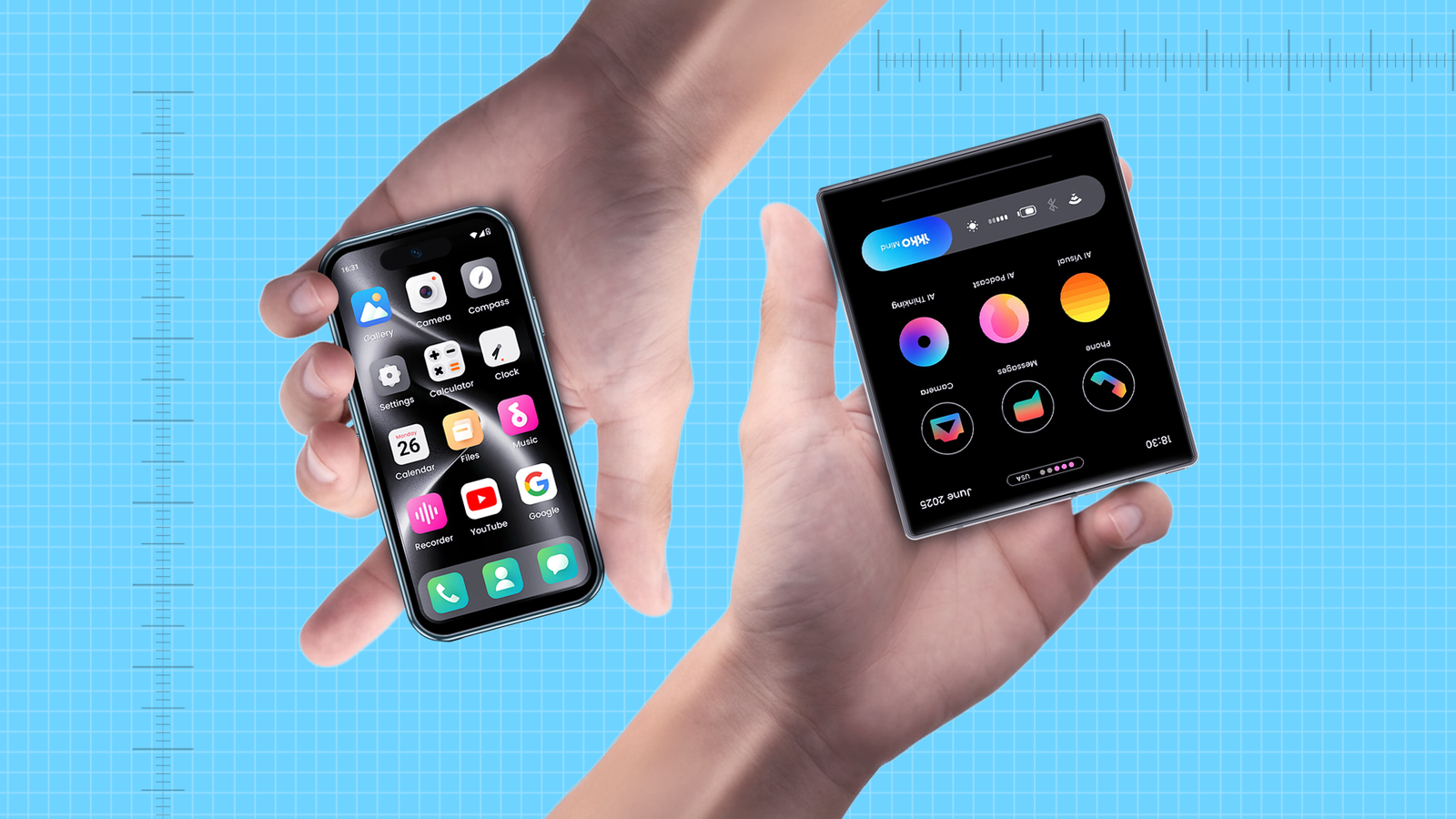
INVESTIGATIVE DESK — In an era where smartphone displays routinely dwarf the palm of the average human hand, a quiet rebellion is brewing in the hardware design labs of the industry's most unorthodox engineers. The ‘Enough Phone’—an ambitious, ultra-compact Android device engineered to mirror the cherished physical footprint of the discontinued iPhone 13 Mini—has officially been slated for a commercial market debut in 2027. While mainstream manufacturers chase margin-expanding multi-lens arrays and phablet-class real estate, the creators of the ‘Enough Phone’ are capitalizing on a neglected macroeconomic demographic: consumers and enterprise professionals suffering from digital fatigue, cognitive overload, and acute ergonomic exhaustion.
This deep-dive investigative report examines the underlying market dynamics, capital allocation strategies, supply chain realities, and valuation implications surrounding the ‘Enough Phone’ project. By analyzing historical product lifecycles, user sentiment data, and component miniaturization barriers, we decode why this 2027 hardware bet is capturing the attention of institutional investors and tech minimalists alike.
Executive Takeaways
Test Our Free AI & Tech Utilities Suite
Calculate LLM API token costs, analyze article dwell-time, or simulate tech DCA returns.
- Form-Factor Revival: The ‘Enough Phone’ directly targets the vacuum left by Apple’s retirement of the Mini line, offering an Android-powered device roughly the size of the iPhone 13 Mini (approx. 5.4-inch display footprint).
- The Anti-Attention Economy Thesis: Built around a philosophy of intentional friction and minimal distraction, the device aims to capture high-value, digitally fatigued cohorts who prioritize cognitive wellness and pocket portability.
- Supply Chain & Capital Hurdles: Scaling component miniaturization for a 2027 launch window requires navigating complex silicon constraints, battery density limitations, and high capital expenditure (CapEx) risk mitigation.
- Enterprise & Market Impact: While consumer adoption will dictate initial valuation multiples, enterprise deployment for distraction-free workflows presents an unexpected secondary revenue vector.
The Anatomy of an Industry Blind Spot: Why the Mini Form-Factor Died—and Why It's Returning
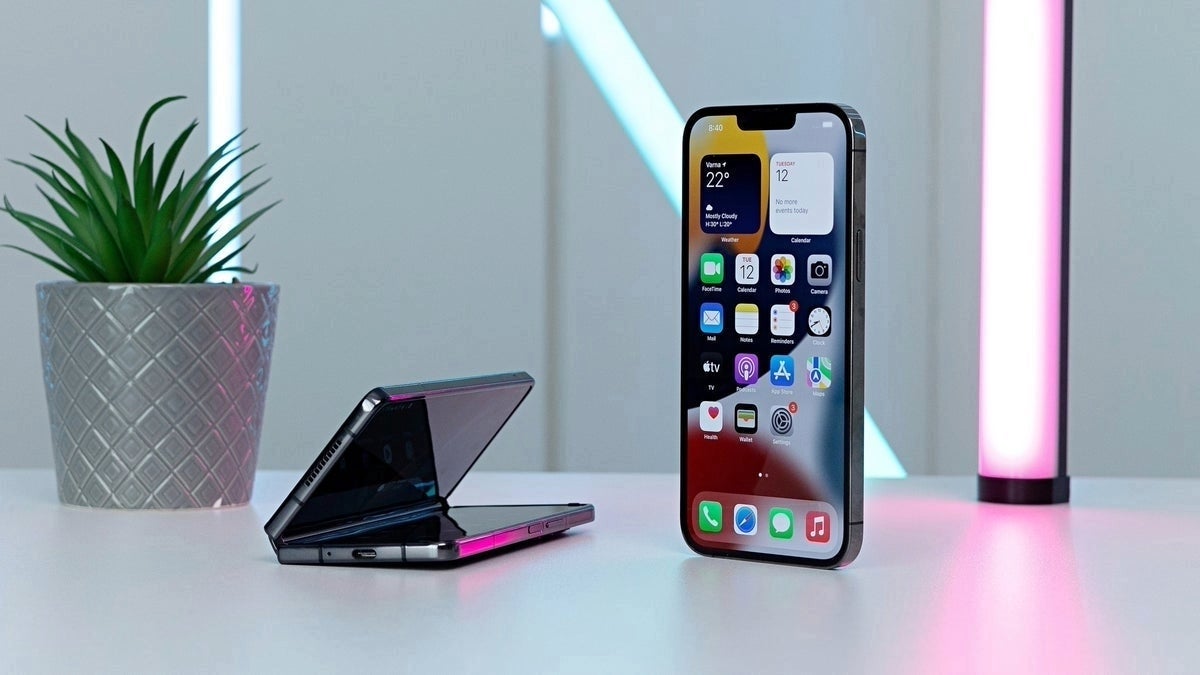
To understand the strategic rationale behind the ‘Enough Phone’ initiative, one must examine the graveyard of compact smartphones. For years, consumer surveys consistently indicated a vocal minority demanding smaller handsets. Yet, global sales figures told a different story. When Apple introduced the iPhone 12 Mini and subsequently the iPhone 13 Mini, initial market enthusiasm gave way to sobering reality: phablets dominated global shipments. Consumers favored sprawling screens for streaming video, mobile gaming, and immersive social media consumption.
However, industry analytics failed to account for a critical shift in consumer psychology. As smartphones evolved into hyper-addictive, algorithm-driven portals, a counter-movement emerged. Digital wellness advocates, corporate executives seeking deep-work productivity, and everyday users exhausted by constant notification loops began viewing oversized phones not as a luxury, but as an ergonomic and psychological tax. Apple’s quiet retirement of the Mini tier left a multi-billion-dollar void in the global market—a lucrative opening that agile independent hardware startups are now aggressively positioning to exploit.
Market intelligence indicates that the ‘Enough Phone’ is not attempting to out-spec flagship behemoths from Samsung or Apple. Instead, it is executing a classic differentiation playbook. By focusing on ergonomic perfection, premium material science, and uncompromising build quality within a sub-6-inch chassis, the project targets an underserved demographic that values lifestyle integration over media consumption.
Engineering the Impossible: 2027 Component Realities and Miniaturization
Designing a high-performance Android device with the physical dimensions of the iPhone 13 Mini is far from trivial. In the consumer electronics sector, engineering constraints scale inversely with device volume. Squeezing modern 5G modems, multi-day battery capacities, robust thermal dissipation systems, and competitive camera modules into a compact chassis requires bleeding-edge supply chain partnerships and sophisticated infrastructure scalability.
Industry insiders point out that by 2027, advancements in solid-state battery architecture and silicon-carbon anode densities will have matured sufficiently to make high-density, small-form-factor power cells commercially viable. Without these material science breakthroughs, a compact smartphone faces insurmountable compromises in screen-on time and thermal throttling under heavy cloud compute workloads.
Furthermore, software optimization will dictate the project's success. The ‘Enough Phone’ cannot rely on bloated, resource-heavy user interfaces. It demands a lightweight, highly efficient operating system iteration—likely a bespoke, security-hardened fork of Android—optimized to minimize background resource drainage, thereby mitigating the thermal and battery constraints inherent in a smaller physical envelope.
Verified Data & Metrics Breakdown
The following comparative matrix outlines the projected specifications and market positioning of the ‘Enough Phone’ relative to historical benchmarks and current industry standards:
| Metric / Specification | iPhone 13 Mini (Historical Baseline) | Standard 2024–2026 Flagship Android | ‘Enough Phone’ (Projected 2027 Launch) |
|---|---|---|---|
| Display Size | 5.4 inches (OLED) | 6.5 to 6.8 inches | ~5.4 inches (Optimized Bezels) |
| Primary Target Demographic | General Consumer / Compact Enthusiast | Mass Market / Multimedia Consumer | Digital Minimalists & Efficiency-Driven Professionals |
| Operating System | iOS | Android (Standard OEM UI) | Minimalist, Security-Focused Android Fork |
| Primary Value Proposition | One-handed usability | Maximum screen real estate & multi-lens camera array | Cognitive wellness, premium pocketability, robust digital hygiene |
| Projected Market Entry | Released Q4 2021 (Discontinued 2023) | Continuous Annual Cycles | Targeted 2027 Commercial Rollout |
Industry & Market Implications: Who Wins, Who Loses?
The introduction of a specialized device like the ‘Enough Phone’ triggers ripple effects across the entire technology value chain:
- Winners — Niche Hardware Innovators & Component Suppliers: Specialty foundries and boutique manufacturers specializing in high-precision aluminum CNC machining, custom display panels, and advanced battery chemistry stand to gain lucrative contracts as the project scales.
- Winners — Digital Wellness & Productivity Software Ecosystems: Developers of focus-enhancement tools, secure communication protocols, and minimalist launchers will find a readymade, highly targeted consumer base.
- Losers — Mainstream Commodity OEM Brands: Manufacturers relying solely on spec-sheet wars (megapixel counts and screen sizes) risk losing high-margin, affluent consumers who prioritize lifestyle alignment over raw processing benchmarks.
- Broader Economic Impact: While the device will not immediately disrupt the aggregate shipment volumes controlled by Apple and Samsung, it serves as a crucial bellwether for consumer sentiment, potentially forcing major OEMs to reconsider compact form factors if adoption metrics exceed expectations.
Frequently Asked Questions (People Also Ask)
1. What is the ‘Enough Phone’, and when is it scheduled to launch?
The ‘Enough Phone’ is an upcoming, ultra-compact Android smartphone designed to match the physical footprint of the iPhone 13 Mini (featuring a display size of roughly 5.4 inches). It is engineered for a commercial market launch in 2027, targeting consumers seeking digital minimalism and superior one-handed ergonomics.
2. Why are manufacturers returning to smaller smartphone form factors?
Despite the dominance of large-screen phablets, a distinct segment of consumers and enterprise professionals experiences digital fatigue and ergonomic discomfort from oversized devices. The ‘Enough Phone’ capitalizes on this growing market gap, offering a premium alternative designed to reduce screen time and cognitive distraction.
3. What technical hurdles does a compact Android phone face for a 2027 release?
The primary engineering challenges include balancing battery life, thermal dissipation, and high-performance 5G connectivity within a restricted chassis volume. The 2027 timeline relies heavily on expected advancements in solid-state battery density and energy-efficient silicon to deliver acceptable real-world performance.
4. Will the ‘Enough Phone’ appeal to enterprise buyers?
Yes. Beyond consumer digital wellness, corporate IT departments seeking distraction-free work devices or streamlined corporate communication tools are evaluating compact, secure, minimalist mobile hardware for specific professional deployments and risk-mitigation strategies.
Future Outlook: Milestones to Watch Ahead of 2027
As the industry looks toward the 2027 commercial debut of the ‘Enough Phone’, stakeholders and investors must monitor several critical operational milestones. Supply chain commitments, prototype disclosures, early-stage capital funding rounds, and software development kit (SDK) releases for its minimalist operating system will serve as primary indicators of the project's viability.
If the ‘Enough Phone’ successfully navigates the perilous waters of hardware manufacturing, it could spark a broader renaissance of form-factor diversity in the mobile sector—proving once and for all that in an increasingly cluttered digital world, less can indeed be exponentially more.