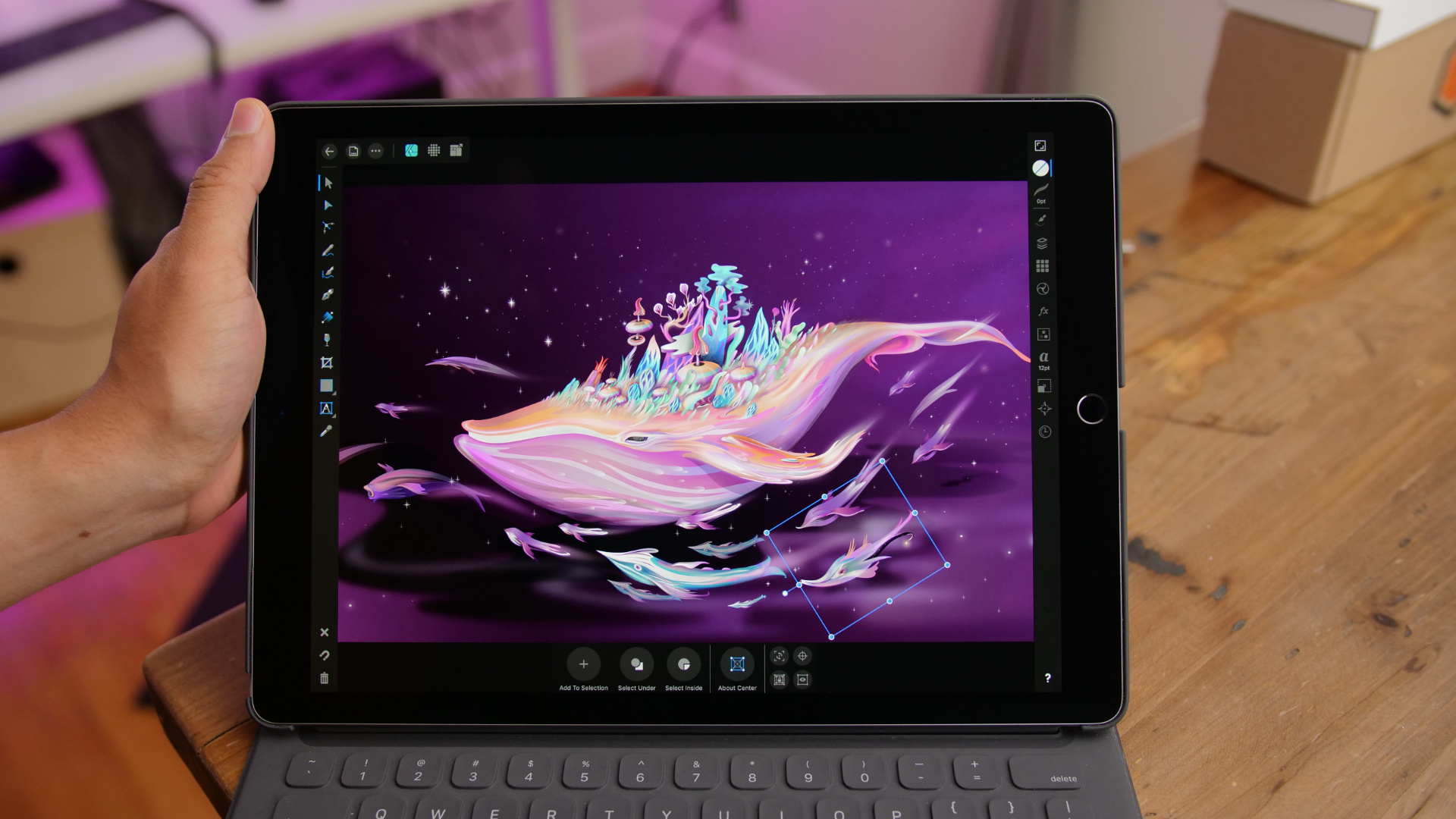
In a seismic shift for the digital design landscape, Serif has officially launched its acclaimed all-in-one creative suite, Affinity for iPad, making the professional-grade software completely free for individual users. Reported across global financial wires and scaling rapidly through Google Trends, this bold move marks a watershed moment in enterprise software pricing models, market liquidity, and capital allocation strategies. For years, creative professionals and independent digital artists have navigated a landscape dominated by subscription-based pricing structures. By decoupling its flagship iPad application from traditional software licensing fees, the company—backed by its recent acquisition by visual communication giant Canva—is executing a calculated long-term play for market share, user acquisition velocity, and enterprise-grade ecosystem lock-in.
As chief investigative editor analyzing the intersection of enterprise software, venture-backed consolidation, and consumer-facing disruption, this editorial deconstructs the structural mechanics behind the free Affinity rollout. We examine the infrastructure scalability required to support millions of concurrent creative professionals, the valuation multiples governing the design software sector, and the systemic risk mitigation strategies deployed by incumbent monopolies facing aggressive, well-capitalized challengers.
Executive Takeaways
Test Our Free AI & Tech Utilities Suite
Calculate LLM API token costs, analyze article dwell-time, or simulate tech DCA returns.
- Disruptive Cost Structure: Affinity for iPad is now entirely free for individual creators, completely dismantling the traditional upfront purchase model that defined its early market penetration.
- Strategic Parentage: The initiative is the direct product of Canva’s high-profile acquisition of Serif, signaling a concerted effort to unify low-barrier consumer design tools with heavy-duty professional rendering engines.
- Incumbent Pressures: Industry bellwether Adobe faces intensified margin compression and regulatory scrutiny regarding customer acquisition costs and subscription retention metrics.
- Enterprise ROI & Upsell Path: While individual licenses are gratis, enterprise scalability, team-based cloud compute architecture, and collaborative workflow tiers will serve as the primary monetization vectors for institutional buyers.
The Catalytic Shift: From Paid Perpetual to Free-to-Scale
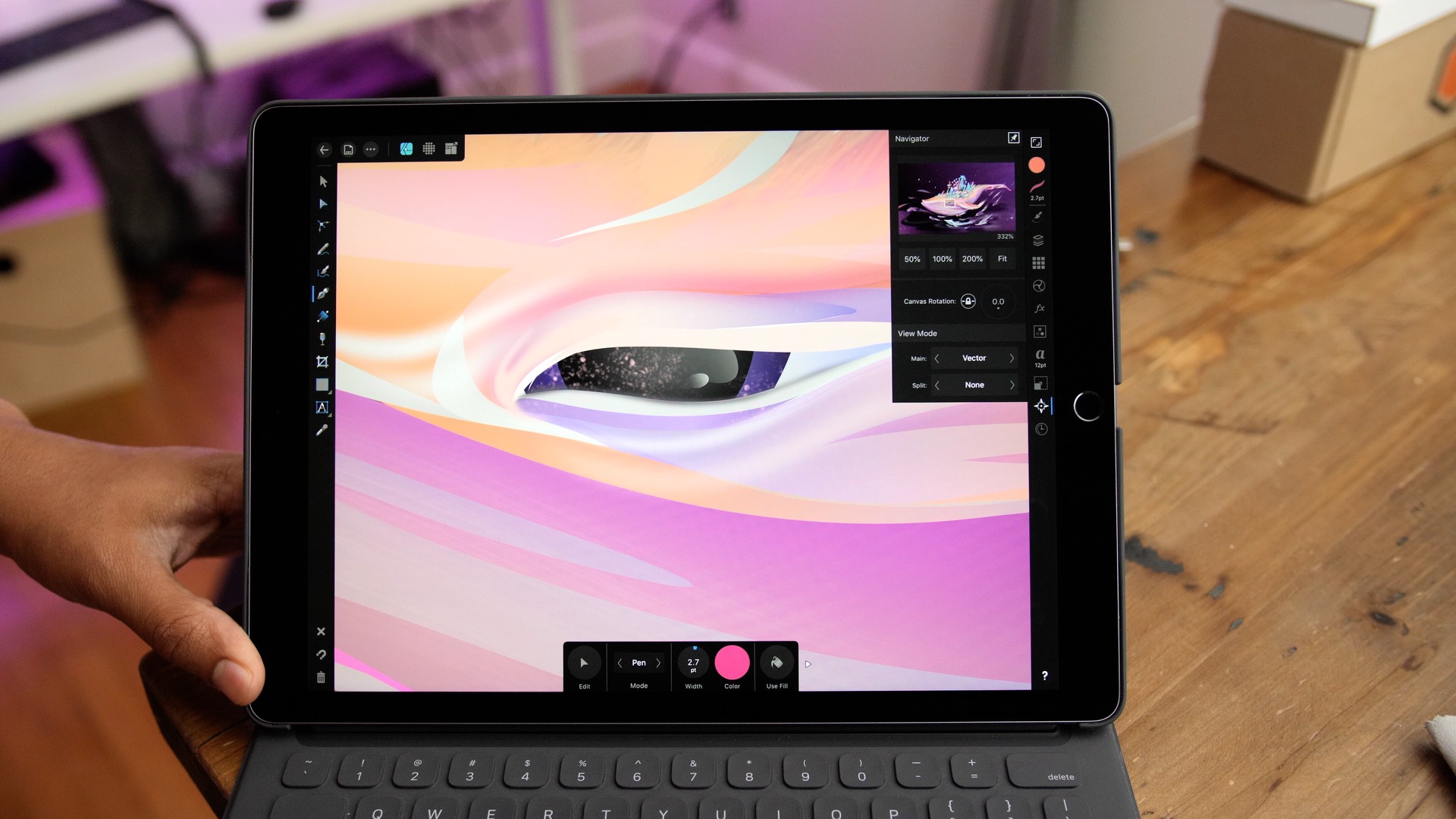
To understand the magnitude of this market event, one must evaluate the historical trajectory of Serif’s Affinity suite—encompassing vector illustration (Designer), raster painting and photo editing (Photo), and professional multi-page publishing (Publisher). Launched as a muscular, high-performance alternative to Adobe's Creative Cloud, Affinity carved out a fiercely loyal niche by championing a one-time perpetual license model. In an era where software-as-a-service (SaaS) subscriptionfatigue plagued freelancers, small businesses, and enterprise procurement departments alike, Affinity’s zero-subscription promise was hailed as a consumer-friendly triumph of capital allocation.
However, the software ecosystem shifted fundamentally when Canva acquired Serif. Armed with significant venture-backed war chests and a massive global user base numbering in the hundreds of millions, Canva recognized an untapped synergy. While Canva historically dominated browser-based, template-driven design for casual creators, it lacked the deeply localized, GPU-accelerated raster and vector rendering engines required by professional illustrators and photographers. By offering Affinity for iPad free to individuals, Canva is effectively deploying a classic freemium funnel on an unprecedented scale, trading near-term software license revenue for massive top-of-funnel user acquisition.
From an infrastructure scalability perspective, delivering workstation-class editing tools on mobile silicon—specifically Apple’s M-series iPad Pro and iPad Air lineups—requires immense computational optimization. Affinity’s codebase has long been praised for its lean resource consumption, low latency, and direct hardware utilization via Metal. Making this infrastructure freely accessible to millions of individual iPad owners transforms the application from a niche paid utility into an indispensable industry standard for mobile-first creators.
Verified Data & Metrics Breakdown
| Metric / Parameter | Legacy Model (Pre-Canva Acquisition) | Current Free-to-Individual Model | Strategic Enterprise Implications |
|---|---|---|---|
| Individual License Cost | Upfront purchase fee per platform (approx. $19.99 - $39.99 for iPad) | $0.00 (Free for individual use) | Drives exponential user acquisition velocity and market penetration. |
| Target Demographic | Professionals, budget-conscious freelancers, hobbyists | Global individual creators, students, and digital nomads | Broadens the addressable market, creating a massive talent pool fluent in Affinity tools. |
| Monetization Vehicle | Perpetual software licenses and major version upgrades | Enterprise tiers, cloud collaboration, and institutional deployment | Protects long-term enterprise ROI while neutralizing barrier-to-entry for single users. |
| Hardware Integration | Optimized for Apple Silicon, Metal API, and Apple Pencil | Deepened integration with cloud compute architecture and cross-device sync | Enhances workflow efficiency and operational continuity across desktop and mobile. |
Industry & Market Implications: Winners, Losers, and Economic Ripples
Every major technological disruption redistributes market capitalization. The immediate casualty of Canva and Serif’s aggressive maneuver is the traditional pricing power long enjoyed by creative software monopolies. For over a decade, professional creators had few alternatives to Adobe Creative Cloud if they required industry-standard raster and vector ecosystems. Wall Street analysts tracking software sector valuation multiples have historically rewarded subscription-heavy models with predictable recurring revenue (ARR). However, consumer and freelancer pushback against perpetual billing has reached a tipping point.
The Winners: Individual creators, freelance digital artists, and educational institutions are the immediate beneficiaries. By removing the financial barrier to entry, millions of users who previously relied on pirated software or inferior freeware now have legal access to a powerhouse creative suite. Furthermore, small-to-medium enterprises (SMEs) operating on tight capital expenditure budgets can equip their creative teams with professional-grade tools without incurring heavy software licensing liabilities.
The Losers: Incumbent software giants face immediate margin pressures. While enterprise-level customers bound by complex regulatory compliance, established workflow integrations, and proprietary asset libraries will not switch overnight, the talent pipeline is shifting. If the next generation of graphic designers, UI/UX specialists, and illustrators are trained natively on Affinity’s free iPad ecosystem, enterprise procurement officers will face mounting internal pressure from creative directors demanding alternative software stacks that reduce overhead costs.
From an economic standpoint, this move accelerates the commoditization of basic software features while shifting true enterprise monetization toward cloud compute architecture, collaborative workspace management, and asset security governance. Companies like Canva are proving that scale, rather than per-seat license extraction, is the ultimate growth engine in modern software economics.
Frequently Asked Questions (People Also Ask)
1. Is the desktop version of Affinity also free, or just the iPad app?
As of the current rollout, the free-for-individuals model specifically targets the Affinity iPad applications (Designer, Photo, and Publisher). Desktop versions and institutional enterprise licenses retain their distinct commercial structures, though industry watchers anticipate further ecosystem updates following the integration roadmap defined by Canva.
2. How does Canva intend to monetize a free professional design suite?
The monetization strategy relies on a classic enterprise-grade freemium model. While individual use is unencumbered by fees, revenue will be generated through premium enterprise deployment tiers, advanced cloud collaboration infrastructure, team asset-sharing portals, and integration with Canva’s broader enterprise visual communication ecosystem.
3. Will existing paid users of Affinity for iPad receive refunds or credits?
Serif and Canva have addressed legacy purchasing by emphasizing that existing users retain uninterrupted access and have contributed to the foundational development of the platform. The strategic pivot focuses on expanding the aggregate user base rather than retroactively auditing past transactional ledger entries.
4. Does the free version impose watermarks, file export limits, or feature restrictions?
Unlike consumer-grade trial software that relies on restricted functionality or watermarked exports, the free individual tier of Affinity for iPad delivers the full, uncompromised professional feature set, including full-resolution exports, advanced color spaces, and complete vector/raster toolsets.
Future Outlook: Milestones to Watch
As this dynamic strategy unfolds across global markets, financial analysts and tech sector investors will monitor several key performance indicators. First, watch for shifts in enterprise procurement reports and software subscription churn rates among major design houses. Second, observe how competing software ecosystems adjust their pricing models and packaging strategies to combat the sudden influx of zero-cost professional alternatives.
Ultimately, the decision to offer Affinity for iPad free to individuals signals a fundamental maturation in the software industry. The era of extracting high rents simply for foundational creative tools is giving way to ecosystems built on massive scale, collaborative cloud architecture, and frictionless user adoption. For creators, the barrier to entry has never been lower; for industry incumbents, the competitive stakes have never been higher.