Executive Takeaways
- The Grassroots Pivot: Local zoning boards and county commissions have transformed from sleepy municipal bodies into the primary frontline of defense against hyperscale cloud compute expansion.
- Grid Capacity Crunch: Exponential surges in AI workloads and cloud architecture have collided with aging electrical infrastructure, directly driving voter anxiety over utility rate hikes and rolling brownouts.
- Capital Allocation Risks: Major technology conglomerates face compressed valuation multiples and extended deployment timelines as regulatory compliance and environmental opposition stall multibillion-dollar real estate acquisitions.
- The Midterm Calculus: State and local election cycles demonstrated that anti-data center platforms can mobilize bipartisan voter coalitions, forcing incumbents to reevaluate capital expenditure strategies.
For more than a decade, the digital economy operated on an invisible blueprint. Hyperscale cloud providers—Amazon Web Services, Microsoft Azure, Google Cloud, and an expanding ecosystem of specialized artificial intelligence operators—acquired rural farmland, suburban industrial parks, and rust-belt brownfields with minimal friction. These multi-acre, windowless server farms promised a frictionless future: high-paying tech jobs, robust municipal tax bases, and an aesthetic silence that contrasted sharply with heavy manufacturing.
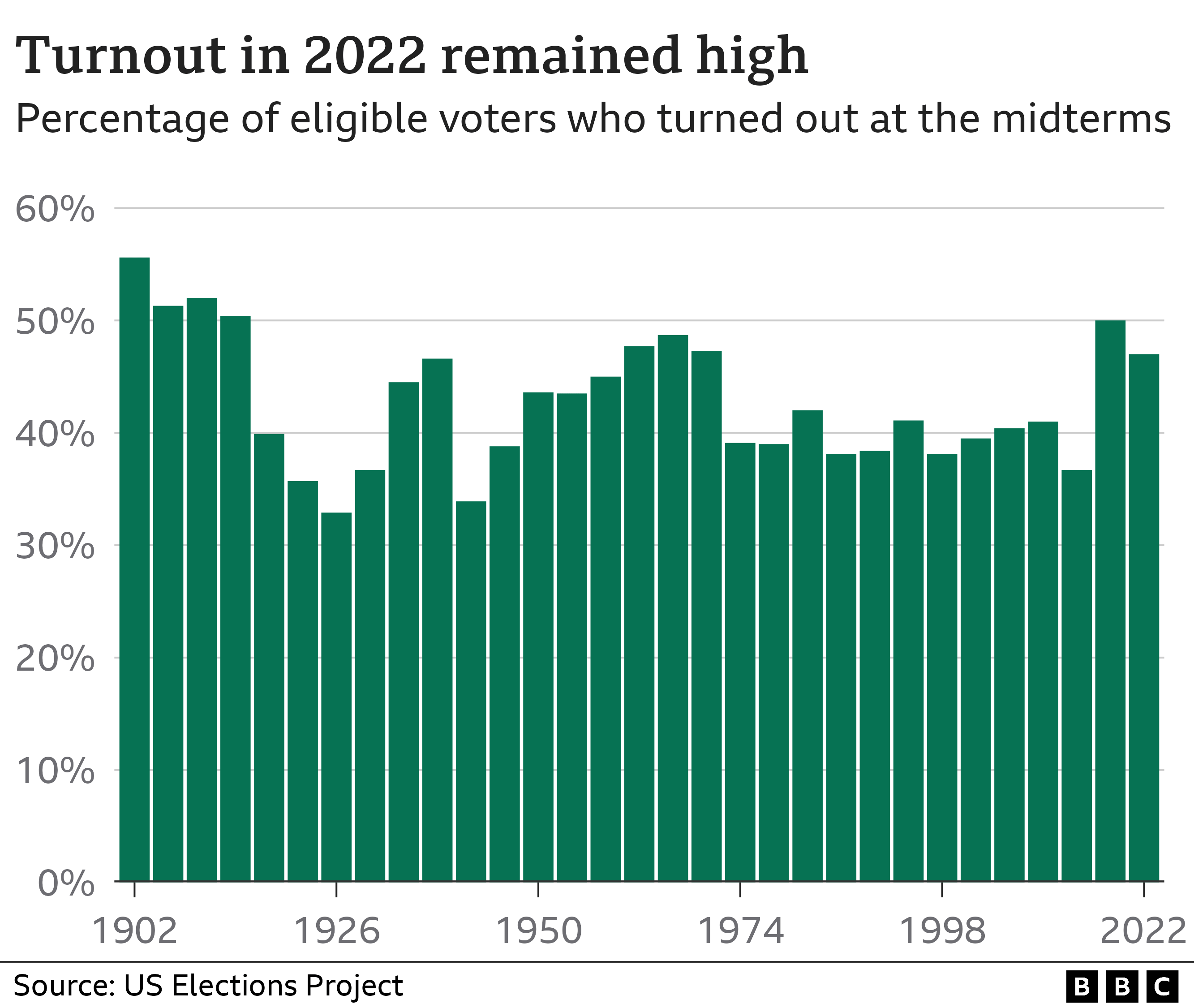
That consensus shattered in the lead-up to and wake of the recent US midterm elections. Across critical swing states and suburban counties from Northern Virginia to the exurbs of Phoenix, data center expansion evolved from a routine real estate transaction into a hyper-charged political flashpoint. Grassroots resistance movements, fueled by mounting anxieties over grid stability, water consumption, and noise pollution, successfully leveraged local and state ballot initiatives. The outcome is a fundamental reordering of how digital infrastructure intersects with municipal governance, forcing a radical recalculation of risk mitigation and capital allocation for the world's most valuable technology enterprises.
The Catalytic Convergence: Compute Demand Meets Grid Vulnerability
Test Our Free AI & Tech Utilities Suite
Calculate LLM API token costs, analyze article dwell-time, or simulate tech DCA returns.
To understand why the midterm cycles became a referendum on digital infrastructure, one must examine the macroeconomic mechanics governing modern compute architecture. The generative AI boom catalyzed by Large Language Models (LLMs) fundamentally altered power consumption metrics. A traditional enterprise server rack typically consumes between 5 to 10 kilowatts. In stark contrast, modern high-density AI clusters packed with advanced graphical processing units (GPUs) routinely demand 40 to 100 kilowatts per rack—and that figure is scaling upward toward 150 kilowatts.
This insatiable appetite for electricity collided directly with an aging North American power grid. Regional Transmission Organizations (RTOs)—such as PJM Interconnection, which manages the grid across 13 states and the District of Columbia—began issuing urgent warnings regarding reserve margin deficits. Northern Virginia’s "Data Center Alley," which handles an estimated 70% of global internet traffic, found itself staring down the barrel of unprecedented transmission constraints. Utilities were forced to contemplate massive new high-voltage transmission lines and localized substation upgrades, the costs of which local ratepayers feared would be shifted directly onto residential utility bills.
As monthly electricity bills ticked upward and residents experienced flickering lights during extreme weather events, public perception shifted. Data centers were no longer viewed as clean, silent neighbors. Instead, they were increasingly characterized as parasitic energy sinks that threatened grid reliability for average citizens while generating corporate windfalls for remote shareholders.
From Zoning Boards to Ballots: The Mechanics of Resistance
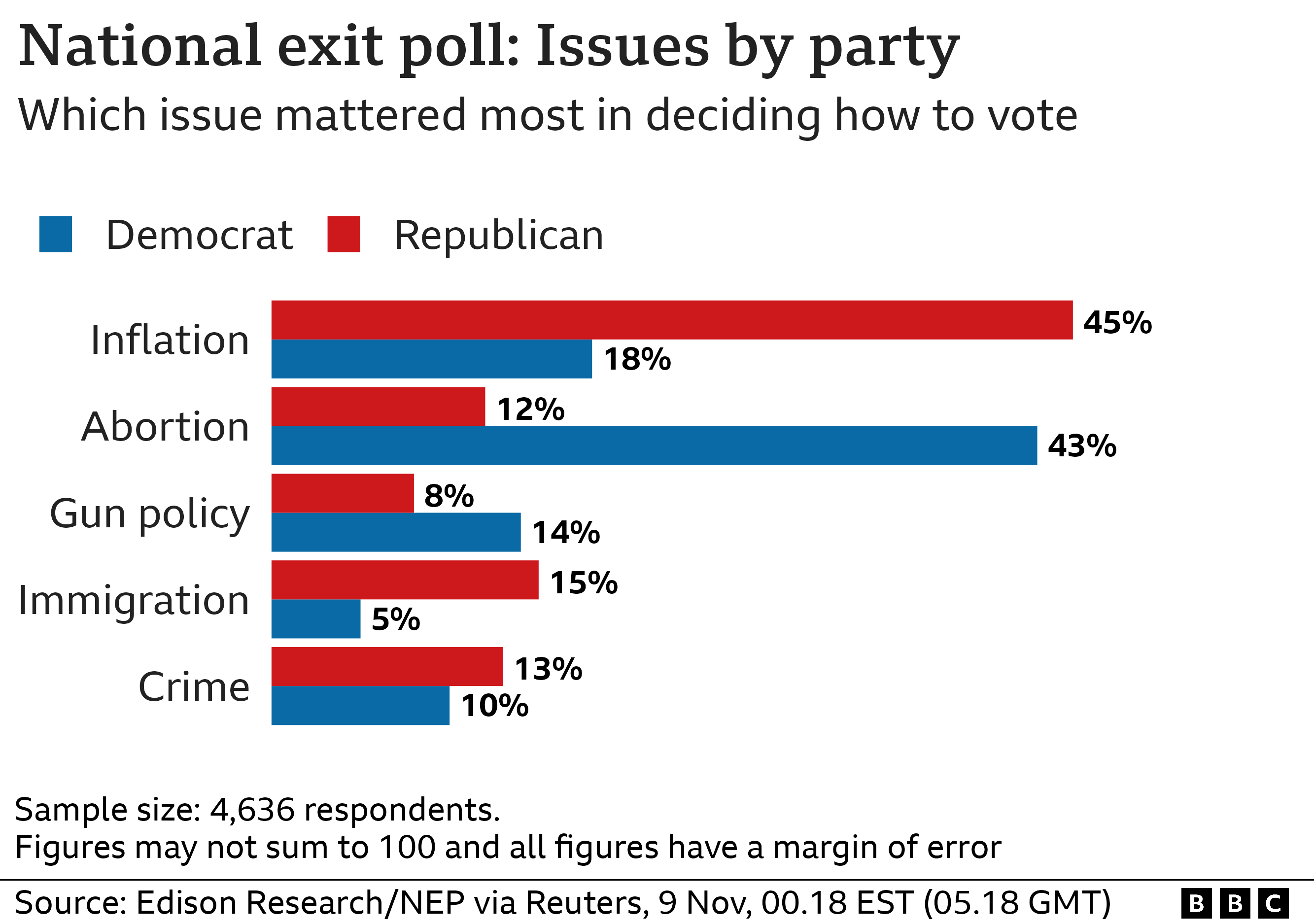
The political backlash crystallized during the midterm election cycles as local candidates realized that opposing unbridled data center development was a potent, bipartisan wedge issue. In Loudoun County, Virginia; Prince William County; Maricopa County, Arizona; and various townships across rural Ohio and Georgia, municipal elections turned on zoning density, environmental impact reports, and noise ordinances.
Campaigns funded by grassroots coalitions deployed sophisticated opposition toolkits. They highlighted the relentless hum of industrial-grade cooling fans—which frequently operate at decibel levels that disrupt rural and suburban tranquility—and scrutinized the millions of gallons of potable water consumed daily to prevent server overheating through evaporative cooling towers. Furthermore, voters balked at tax-increment financing (TIF) deals and aggressive property tax abatements granted to multitrillion-dollar corporations under the banner of economic development.
This localized friction created severe bottlenecks in infrastructure scalability. Real estate acquisition teams that once closed land deals in months now faced multi-year litigation, zoning board denials, and hostile referendums. The political cost of approving these massive industrial footprints became too high for local elected officials seeking re-election, creating a cascading policy gridlock.
Verified Data & Metrics Breakdown
| Metric / Indicator | Pre-Boom Baseline (2018–2020) | Current Environment (Post-Midterms) | Macroeconomic & Operational Impact |
|---|---|---|---|
| Average Facility Power Density | 5 – 10 kW per rack | 40 – 100+ kW per rack | Strains local substations; forces reliance on localized peaker plants. |
| Average Zoning Approval Timeline | 6 to 12 months | 24 to 48+ months (where approved) | Delays enterprise ROI; compresses deployment velocity for cloud architecture. |
| Local Referendum Opposition Rate | < 15% of contested sites | > 65% in key suburban submarkets | Forces hyperscalers to pivot toward secondary and tertiary remote markets. |
| Average Daily Water Consumption (Large Facility) | 500,000 – 1,000,000 gallons | 3,000,000 – 5,000,000+ gallons | Triggers fierce opposition from agricultural and municipal water boards. |
Industry & Market Implications: Winners, Losers, and Capital Shifts
The political mobilization against data centers has triggered profound shifts across financial markets and real estate sectors. Investors are aggressively repricing risk, evaluating how regulatory compliance and social license to operate will impact future valuation multiples for tech giants and specialized real estate investment trusts (REITs).
The Winners: Grid Modernization and Alternative Energy
As hyperscalers face insurmountable roadblocks in traditional power markets, capital is rapidly rotating toward infrastructure solution providers. Engineering, Procurement, and Construction (EPC) firms specializing in high-voltage direct current (HVDC) transmission, microgrids, and behind-the-meter generation are seeing unprecedented demand. Furthermore, technology companies are striking direct power purchase agreements (PPAs) with nuclear, geothermal, and advanced solar-plus-storage operators to bypass grid congestion entirely—driving a massive bull market in clean-energy project finance.
The Losers: Traditional Suburban Land Speculators and Unprepared Municipalities
Land speculators who purchased rural acreage near major fiber-optic backbones with the expectation of an easy flip to hyperscalers are now sitting on illiquid assets burdened by skyrocketing carrying costs. Additionally, municipalities that relied exclusively on data center tax revenues without factoring in long-term infrastructure maintenance costs find themselves facing budget shortfalls as litigation and moratoriums stall construction.
People Also Ask (FAQ)
Frequently Asked Questions
Why did data center expansion become a major issue during the US midterm elections?
Data center expansion collided with mounting public anxiety over rising electricity bills, grid reliability risks, and water scarcity. As localized server farm developments scaled up to support generative AI workloads, residents and local politicians pushed back against industrial sprawl, noise pollution, and perceived tax giveaways, turning zoning approvals into high-stakes political battles.
How do modern AI workloads differ from traditional cloud computing in terms of power consumption?
Traditional enterprise data center racks typically consume 5 to 10 kilowatts of power. In contrast, high-density AI clusters utilizing advanced GPU hardware routinely require 40 to 100+ kilowatts per rack. This exponential increase has overwhelmed local electrical substations and forced grid operators to implement emergency capacity constraints.
What are the primary financial risks for technology companies facing local zoning pushback?
Delays in regulatory approval and zoning permits extend development timelines by years, severely impacting enterprise ROI and capital expenditure efficiency. Furthermore, forced relocations to remote markets increase latency, drive up land acquisition costs, and complicate compliance with environmental regulations.
Are hyperscalers finding ways to bypass local electrical grid limitations?
Yes. Major technology firms are increasingly investing in behind-the-meter energy solutions, including direct partnerships with nuclear power plants, geothermal energy startups, and dedicated microgrids powered by renewable sources combined with grid-scale battery storage.
Future Outlook: What Comes Next and Key Milestones to Watch
The resistance observed during the midterm cycles is not a temporary aberration; it represents a structural realignment of the digital infrastructure market. As artificial intelligence adoption accelerates, the tension between physical resource constraints and virtual economic growth will only intensify.
Key milestones to monitor over the next 18 to 24 months include:
- State-Level Legislative Frameworks: Anticipate a wave of new state bills establishing mandatory statewide zoning guidelines, noise limits, and water-use caps specifically targeting data center developments, overriding local municipal patchwork rules.
- Behind-the-Meter Nuclear Deals: Watch for regulatory approvals regarding direct connections between hyperscale campuses and commercial nuclear reactors, which will serve as the litmus test for independent power sourcing.
- Municipal Tax Reform: Expect local governments to restructure tax abatement agreements, shifting toward impact fees designed to directly fund grid hardening and water infrastructure upgrades.
For enterprise leadership, the era of frictionless digital expansion has officially closed. Navigating the modern landscape requires not only superior cloud compute architecture and robust capital allocation but also sophisticated community relations, proactive grid co-investment, and an acute understanding of local political dynamics.