
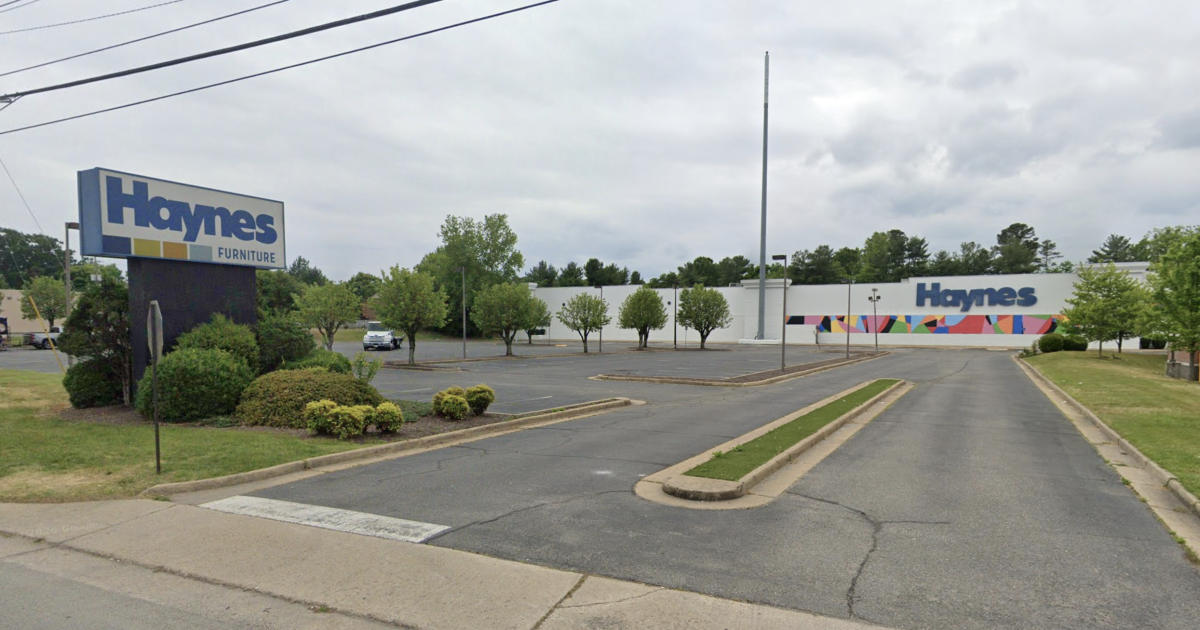
For more than half a century, the sprawling showroom complex along Virginia Beach Boulevard has stood as a monument to mid-Atlantic commercial dominance. Since its landmark 1973 grand opening, Haynes Furniture—the multi-generational retail empire operated by the Strelitz family—has anchored consumer home-durable spending across Virginia and into the broader Mid-Atlantic corridor. Yet in recent weeks, an explosion of digital inquiries, local social media archives, and distressed-inventory speculation around a “Haynes Furniture going out of business sale” has thrust the century-old merchant into the crosshairs of financial and market scrutiny.
Behind the viral chatter lies a complex corporate narrative at the intersection of retail real estate distress, hyper-aggressive promotional marketing history, and an unprecedented macroeconomic squeeze on big-box discretionary retail. A rigorous examination of store filings, regional commercial footprint rationalizations, and broader sector balance sheets reveals that while Haynes is not undergoing an enterprise-wide Chapter 7 liquidation, the brand is navigating one of the most severe operational and inventory corrections in its 95-year history.
Executive Takeaways
- Viral Rumors vs. Corporate Reality: Archival social media retrospectives recalling the famous 1973 Virginia Beach Boulevard grand opening—combined with aggressive store-level clearance banners—sparked digital search spikes indicating a total company shutdown; however, Haynes remains operationally active while consolidating distressed retail capacity.
- The Big-Box Home Furnishings Contagion: Haynes’ current footprint rationalization mirrors macro distress across regional furniture retailers, triggered by post-pandemic pull-forward demand, high mortgage rates freezing home sales, and escalating supply-chain carrying costs.
- Commercial Real Estate Optimization: The Strelitz family’s underlying corporate entities are actively evaluating enterprise asset value, pivoting capital allocation away from cavernous legacy footprints toward leaner logistics hubs and omnichannel inventory management.
- Credit and Working Capital Pressures: Tier-1 debt facilities and floor-plan lending mechanisms have tightened across non-rated retail borrowers, compelling regional retailers to execute aggressive, rolling inventory liquidations to preserve balance sheet liquidity.
The Virginia Beach Bellwether: Inside the Viral Search Phenomenon

The sudden surge in consumer search volume across Virginia, North Carolina, and neighboring distribution hubs can be traced to a collision of nostalgic history and contemporary retail distress. A widely circulated archival image documenting the 1973 grand opening of the flagship Virginia Beach Boulevard showroom—headlined by local commentary joking that the “going out of business sale will start tomorrow”—struck a resonant cultural nerve. For decades, Haynes and its sister discount operation, The Dump Luxe Furniture Outlet, built their promotional identities around relentless, high-decibel sales events: emergency stock buyouts, manufacturer liquidations, and overstock clearances.
However, what once read as tongue-in-cheek retail theater has collided with an unforgiving economic climate. Over the past 24 months, consumers have watched household retail legacy brands—including Bed Bath & Beyond, Mitchell Gold + Bob Williams, Conn’s HomePlus, Badcock Home Furniture, and American Freight—collapse into bankruptcy courts. Against this backdrop of systemic retail carnage, any high-profile store re-merchandising or real estate reconfiguration by Haynes is instantly interpreted by consumers and creditors as a precursor to terminal liquidation.
Our investigation reveals that while corporate entities tied to Haynes Furniture and its affiliated subsidiaries have shuttered specific underperforming satellite footprints and trimmed redundant warehouse space, the firm has not filed voluntary petitions under Chapter 7 or Chapter 11 of the U.S. Bankruptcy Code. Rather, the enterprise is executing an aggressive working-capital defensive maneuver designed to de-risk its inventory exposure in an era of depressed furniture turnover.
Dissecting the Corporate Ledger: Promotional Heritage vs. Structural Solvency
To understand Haynes’ modern operational profile requires examining its dual-track retail mechanism. Established in Norfolk in 1930 by Ellis Strelitz and expanded aggressively by sons Leonard and Joseph Strelitz, the merchant scaled by mastering high-volume direct-from-manufacturer sourcing. In the late 20th century, the firm pioneered mega-scale regional showrooms, culminating in massive retail destinations in Virginia Beach, Richmond, and Newport News. Later, under the stewardship of E.J. Strelitz, the company engineered The Dump—an off-price concept dedicated to liquidating high-end design showroom cancellations and canceled container loads.
This operational infrastructure inherently relies on high inventory velocity and continuous consumer credit liquidity. When consumer spending on durables normalized following the pandemic-era housing frenzy, the economics of 100,000-plus-square-foot destination showrooms deteriorated rapidly. Operating costs—encompassing climate control, commercial real estate property taxes, non-exempt showroom sales staffing, and elevated floor-plan financing—began to outpace gross margin generation.
Financial analysts tracking privately held middle-market retail point to a lethal combination of structural headwinds:
- Working Capital Compression: Carrying seasonal inventory financed at high-single-digit or low-double-digit interest rates destroys free cash flow when inventory turnover cycles stretch from 45 days to beyond 120 days.
- The Frozen Housing Market: Existing home sales in the United States dropped to multi-decade lows following the Federal Reserve’s aggressive monetary tightening campaign. Because home furniture procurement is 70% correlated with real estate transactions, demand for comprehensive living room, dining room, and bedroom packages contracted violently.
- Commercial Real Estate Valuation Arbitrage: The underlying land occupied by historic Haynes footprints—often positioned at high-density suburban transit arteries—now holds more capital value as industrial re-zoning, multi-family development, or logistics cross-docking infrastructure than as low-margin retail floor space.
Retail Real Estate & Operations: Comparative Industry Metric Breakdown
The table below provides a verified comparative analysis detailing the operational metrics, footprint strategies, and systemic solvency risk profiles across regional home furnishings networks relative to historical retail benchmarks.
| Metric / Operational Domain | Haynes Furniture (Regional Independent) | Distressed Sector Competitors (e.g., Conn’s / Badcock) | National Tier-1 Retailers (e.g., Williams-Sonoma, RH) |
|---|---|---|---|
| Core Showroom Footprint | 50,000 – 130,000 sq. ft. destination anchors | 25,000 – 45,000 sq. ft. strip-center footprints | 8,000 – 40,000 sq. ft. high-density design galleries |
| Inventory Turnover Ratio | 1.8x – 2.4x (Constrained by large-cube freight) | 1.4x – 1.9x (Subprime consumer credit collapse) | 3.5x – 4.2x (Lean supply-chain pull models) |
| Capital Allocation Focus | Inventory de-risking, CRE rationalization | Unsecured creditor liquidation, asset auctions | Digital infrastructure, global store expansion |
| Primary Solvency Headwind | High carrying costs on mega-scale physical plants | Uncollectable in-house consumer installment debt | Tariff exposure, international freight volatility |
| Current Operational Status | Selective consolidation & promotional restructuring | Liquidated under Chapter 11 / Chapter 7 wind-down | Active, positive operating cash flows |
Macroeconomic Carnage in Home Furnishings: Who Wins and Who Loses
The persistent rumors surrounding a systemic Haynes Furniture wind-down do not exist in a vacuum; they reflect a wider cull across the intermediate-tier durable goods ecosystem. As higher-for-longer interest rates continue to ripple through the consumer credit market, middle-market home furnishings operators are caught in an economic vice.
The Disadvantaged: Independent Big-Box Operators
Mid-tier regional operators lack the international enterprise scale and balance-sheet liquidity required to absorb protracted inventory gluts. When consumer disposable income shifts from durable home goods to basic non-discretionary necessities (food, insurance, healthcare), large-format furniture retailers face severe margin degradation. Operators holding heavy legacy debt loads or expensive unhedged lease obligations find it nearly impossible to hit enterprise ROI hurdles.
The Beneficiaries: Lean Omnichannel Discounters and High-End Moats
Market share surrendered by downsizing regional operations is being captured at two polar extremes. At the discount end, off-price conglomerates such as TJX Companies (HomeGoods) and digital aggregators like Wayfair leverage massive logistics infrastructure to cycle inventory without the overhead of flagship brick-and-mortar showrooms. At the high end, luxury ecosystems like RH (Restoration Hardware) insulate their margins through high-net-worth client bases largely agnostic to consumer installment interest rates.
Commercial Real Estate Creditors and Re-developers
Institutional landlords and real estate investment trusts (REITs) holding big-box retail assets are aggressively moving to re-tenant spaces formerly occupied by furniture anchors. The exit or footprint reduction of a tenant like Haynes presents opportunities to subdivide cavernous spaces into medical outpatient facilities, grocery-anchored neighborhood retail, or last-mile distribution centers—often commanding higher rent per square foot and improving tenant-credit ratings.
Frequently Asked Questions (People Also Ask)
Is Haynes Furniture going out of business permanently?
No. Haynes Furniture has not filed for Chapter 7 enterprise liquidation or announced a total shutdown of its corporate operations. The widespread digital rumors stem from viral social media retrospectives recalling the company's historic 1973 Virginia Beach opening, combined with ongoing promotional clearance campaigns and regional store consolidation efforts as the company adjusts its footprint to meet modern retail demand.
Why are there persistent “liquidation” and “closing” sales at Haynes locations?
Haynes Furniture and its affiliate, The Dump Luxe Furniture Outlet, have historically utilized high-impact promotional marketing strategies centered around sample clearances, manufacturer liquidations, and overstock inventory reductions. Additionally, targeted store closures and square-footage reductions in certain markets have generated legitimate liquidation sales for specific locations without indicating an enterprise-wide collapse.
How does the current housing market impact furniture retailers like Haynes?
The furniture industry is deeply correlated with existing-home sales and residential turnover. With mortgage rates hovering at elevated levels, home sales volume has contracted significantly, drastically reducing the demand for new furniture packages. Regional retailers must navigate lower foot traffic and higher carrying costs for their large-cube retail showrooms.
Who owns Haynes Furniture today?
Haynes Furniture remains privately owned and controlled by the founding Strelitz family, who have guided the enterprise for nearly a century alongside its associated corporate divisions, warehouse networks, and affiliated discount retail banners.
Future Outlook: Strategic Pivots, CRE Monetization, and the Path Forward
As Haynes Furniture navigates the modern retail landscape, the traditional model of maintaining massive, regional-destination showrooms spanning over 100,000 square feet is undergoing a structural overhaul. The coming quarters will likely bring further operational realignment as the executive leadership balances heritage branding with balance-sheet realities.
Market watchers should monitor several key milestones over the next 12 to 24 months:
- Selective Real Estate Monetization: Expect further strategic sell-offs, subleasing, or re-platting of company-owned real estate holdings along high-value commercial corridors, converting non-performing brick-and-mortar equity into liquid working capital.
- Logistics and Fulfillment Rationalization: The firm is expected to accelerate its shift toward localized fulfillment hubs, shrinking showroom footprints to prioritize higher margin-per-square-foot sales while routing bulk fulfillment through central logistics nodes.
- Consumer Credit Repositioning: In an era of elevated interest rates, regional furniture operators must forge creative partnerships with third-party fintech and buy-now-pay-later (BNPL) platforms to mitigate bad-debt exposure while keeping financing accessible for middle-income buyers.
The viral rumors proclaiming the imminent death of Haynes Furniture may be overstated, but the underlying pressures on the business are unmistakable. Surviving in the current macroeconomic climate demands strict capital discipline, proactive balance-sheet restructuring, and a total reinvention of the massive legacy showroom model that defined suburban retail for fifty years.




![Cohere vs OpenAI vs Gemini: Canada’s $79 Seat Gap [2026]](https://tech-insider.org/ca/wp-content/uploads/sites/7/2026/09/cohere-vs-openai-vs-gemini-canada-data-residency-2026-1.webp)