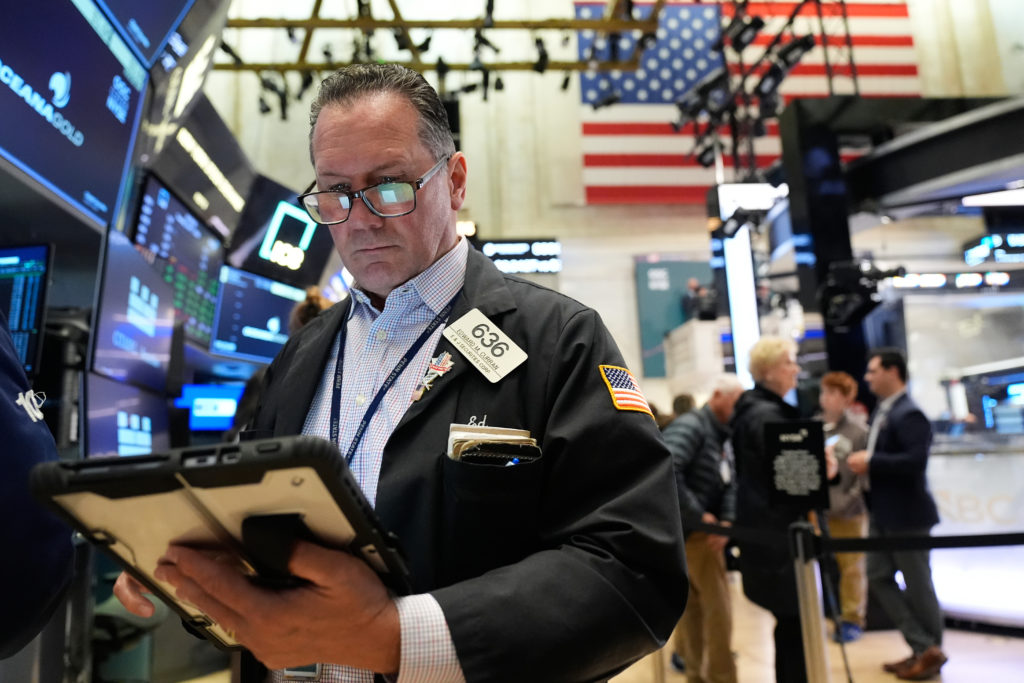
Stagflation Fears Resurface: Global Stocks Tumble and Oil Spikes Toward $95 as Middle East War Darkens Economic Horizon
NEW YORK / LONDON — Global financial markets plunged into a defensive crouch on Friday as a sharp military escalation in the Middle East rattled investor confidence, sending crude oil prices soaring and triggering a synchronized sell-off across equity bourses. Benchmark sovereign bonds and gold caught aggressive safe-haven bids as institutional investors rapidly repriced macroeconomic risk, bracing for prolonged energy inflation and delayed interest rate cuts from major central banks.
The sudden risk-off pivot wiped out weeks of equity gains, driven by mounting intelligence reports of expanded strikes threatening critical maritime passages and vital processing facilities across the Persian Gulf. With energy supply corridors facing their most severe disruption threat in years, fund managers are confronting a familiar, toxic dynamic: supply-side commodity shocks colliding head-on with an already fragile global growth trajectory.
Executive Summary: The Friday Market Route
- Equities Slide Globally: The S&P 500 tumbled 1.6%, the tech-heavy Nasdaq Composite sank 2.1%, and Europe's Stoxx 600 slid 1.4% as cyclical and growth sectors bore the brunt of portfolio de-risking.
- Crude Surges Past Thresholds: Brent crude jumped 4.2% to trade above $93 a barrel, while West Texas Intermediate (WTI) crossed $88, fueled by threats to transit routes through the Strait of Hormuz.
- Rate-Cut Trajectories Derailed: Futures markets slashed the probability of mid-year rate cuts by the Federal Reserve and the European Central Bank, fearing a secondary wave of headline consumer inflation.
- Flight to Quality: Gold breached $2,280 an ounce to test record territory, while the U.S. Dollar Index (DXY) climbed to a five-month peak of 104.85.
Anatomy of the Sell-Off: Wall Street and Global Bourses Retreat

The rout was broad-based, tearing through market segments that had previously ridden an optimistic "soft landing" narrative. Technology and consumer discretionary sectors led declines on Wall Street, with megacap tech names buckling under the weight of rising yields. The CBOE Volatility Index (VIX)—often termed Wall Street's fear gauge—surged nearly 22% to cross the 18-point handle, reflecting a rapid scramble for downside portfolio protection.
In Europe, Frankfurt’s DAX dropped 1.5% and Paris’s CAC 40 lost 1.7%, heavily weighed down by chemicals, manufacturing, and airline equities that are hyper-sensitive to surging jet fuel and input costs. Asian markets had set a grim tone earlier in the global session, with Tokyo's Nikkei 225 retreating 1.8% and India’s BSE Sensex shedding over 750 points as import-dependent economies digested the prospect of ballooning trade deficits.
“We are moving from an environment dominated by immaculate disinflation to one hijacked by geopolitical unpredictability,” said Marcus Vance, Chief Global Strategist at Vanguard Horizon Capital. “When energy prices surge because of active kinetic warfare, equity multiples cannot remain insulated. Market participants are realizing that central banks cannot easily cut rates to bail out equity markets if oil is igniting headline inflation.”
The Energy Shock: Chokepoint Risks and Supply Anxiety
Crude oil markets have taken center stage as maritime logistics and energy infrastructure sit directly in the crosshairs of the conflict. Tanker tracking data indicated that multiple commercial freight operators have begun diverting routes away from heightened-risk sectors, dramatically increasing shipping transit times and insurance premiums.
Energy strategists warn that while current physical production has not yet experienced an outright halt, the structural risk premium has expanded aggressively. OPEC+ has signaled limited appetite to tap spare capacity prematurely, leaving energy importers vulnerable to sudden shortfalls.
| Asset / Benchmark | Latest Level | Day Change (%) | Primary Driver |
|---|---|---|---|
| Brent Crude | $93.45 / bbl | +4.25% | Strait of Hormuz transit risk & supply disruption |
| WTI Crude | $88.80 / bbl | +3.90% | U.S. export demand spike and inventory drawdowns |
| S&P 500 | 5,115.20 | -1.62% | Multiple contraction driven by sticky inflation fears |
| 10-Year U.S. Treasury Yield | 4.38% | +7 bps | Inflation expectations dampening Fed easing bets |
| Spot Gold | $2,284.10 / oz | +1.85% | Geopolitical safe-haven flows and sovereign hedging |
The Central Bank Conundrum: Stagflation Specter Revived
The primary concern for macroeconomic planners is the timing of the disruption. Western central banks, led by the Federal Reserve, had spent the past quarter priming markets for a pivot toward monetary accommodation. A sustained spike in energy prices threatens to inject cost-push inflation into supply chains just as services inflation was moderating.
Treasury markets reflected this panic: despite typical flight-to-safety dynamics that lower sovereign yields, the 10-year Treasury yield actually pushed higher to 4.38%. Fixed-income desks are aggressively pricing out easing expectations, recognizing that central bankers will not risk an easing cycle while geopolitical tensions elevate upstream commodity costs.
“Central bankers now face their worst nightmare: stagnant economic activity coupled with cost-push commodity spikes,” observed Elena Rostova, Senior European Economist at Moneta Macro Research. “If Brent sustains above $90 through the next quarter, headline consumer price indices in import-reliant economies will rebound, paralyzing monetary policy boards.”
Strategic Outlook: What Investors Should Watch Next
As trading desks head into the weekend, focus remains trained on several pivotal indicators to determine whether Friday’s sell-off marks a brief geopolitical tremor or the start of a protracted bear phase:
- Commercial Shipping Corridors: Any targeted damage to commercial oil tankers or key regional pipelines will likely push crude immediately toward the psychological $100-per-barrel mark.
- Bond Market Breakevens: A sustained rise in 5-year and 10-year inflation breakevens will confirm institutional expectations of stubborn price pressures, forcing another downward revision in equity valuations.
- Diplomatic De-escalation Signals: Backchannel diplomatic interventions over the weekend will serve as the primary catalyst for any potential relief rally when Asian markets open on Monday.
Frequently Asked Questions (FAQ)
How does a prolonged Middle East war derail central bank rate-cut plans?
Central banks primarily fight aggregate demand to bring down core inflation. A conflict-driven spike in crude oil introduces supply-side, cost-push inflation. Because energy costs quickly bleed into transportation, agriculture, and manufacturing, central bankers cannot afford to loosen monetary policy while headline numbers are climbing, as doing so risks unanchoring long-term consumer inflation expectations.
Which sectors are best and worst positioned during this energy-driven market rout?
Outperformers: Upstream oil and gas producers, defense contractors, commodity traders, and domestic energy infrastructure operators benefit directly from elevated spot prices and expanded defense expenditures.
Underperformers: Airlines, logistics, consumer discretionary retailers, and high-multiple growth/tech companies face severe headwinds due to higher fuel costs, compressed corporate margins, and elevated discount rates on future cash flows.