
Executive Takeaways
- Strategic Nostalgia: Sony is capitalizing on high-margin consumer sentiment by reissuing its legendary 1980s portable headphones, pairing vintage aesthetic equity with modern internal and external upgrades.
- Modern Infrastructure Integration: Eschewing proprietary or obsolete connectors, the resurrected hardware features a modern USB-C interface, bridging analog heritage with contemporary power and data standards.
- Valuation Multiples & Brand Equity: This hardware drop reinforces Sony’s lifestyle hardware portfolio, designed to protect premium hardware valuation multiples amid shifting consumer discretionary spending.
- Market Positioning: Positioned squarely against high-end retro-styled audio competitors, the launch tests whether generational nostalgia can drive high-volume hardware monetization in a crowded peripheral market.
TOKYO — In an era defined by software-as-a-service margins, algorithmic curation, and the relentless commoditization of consumer electronics, Sony Corporation has executed a strategic pivot back to physical analog heritage. By reviving its seminal, lightweight 1980s Walkman-era headphones and quietly integrating a modern USB-C port, the Japanese multinational conglomerate is bridging a 45-year generational chasm. This move is far more than a cynical exercise in retro novelty; it represents a calculated maneuver in consumer discretionary capital allocation, designed to maximize brand equity, leverage existing manufacturing infrastructure, and capture high-margin revenue from a demographically diverse consumer base hungry for tactile authenticity.
For financial analysts tracking consumer tech hardware valuation multiples, the revival offers a compelling study in risk mitigation and intellectual property monetization. By reissuing a product design that required negligible new R&D expenditure, Sony has minimized its upfront risk exposure while maximizing potential viral visibility across digital channels. As consumer behavior shifts away from sterile minimalism toward expressive, analog-adjacent lifestyles, Sony’s strategic deployment of its own historical archive sets a high bar for legacy competitors attempting to unlock dormant asset value.
The Catalytic Intersection of Vintage Design and Modern Infrastructure
Test Our Free AI & Tech Utilities Suite
Calculate LLM API token costs, analyze article dwell-time, or simulate tech DCA returns.
The genesis of this hardware refresh traces back to the shifting dynamics of global supply chains and changing consumer preferences within the personal audio segment. Over the past half-decade, the audio landscape has fractured into two distinct camps: ultra-sophisticated, noise-canceling active wireless earbuds utilizing complex cloud compute architecture for spatial audio, and an increasingly vocal counter-culture of audiophiles and Gen Z tastemakers rejecting Bluetooth compression in favor of wired simplicity.
Sony’s original open-air, foam-padded portable headphones—famously bundled with the early iterations of the cassette-based Walkman in the late 1970s and 1980s—became an international design icon long before industrial design was a mainstream corporate buzzword. Their feather-light metal headband, iconic orange or black foam ear cushions, and minimal footprint defined the portable music revolution. However, modern infrastructure presented a distinct hurdle: the near-total obsolescence of the 3.5mm headphone jack across flagship mobile devices and the rise of digital-to-analog converters (DACs) terminating in USB-C connections.
By engineering a subtle yet vital update—retaining the exact acoustic chamber design, mechanical sliders, and foam aesthetics while modernizing the terminal interface—Sony has resolved a critical friction point. Users can now plug the vintage-styled cans directly into contemporary smartphones, tablets, and laptops via USB-C, tapping into integrated DACs without sacrificing the nostalgic visual silhouette that made the original hardware legendary.
Industry & Market Implications: Who Wins, Who Loses
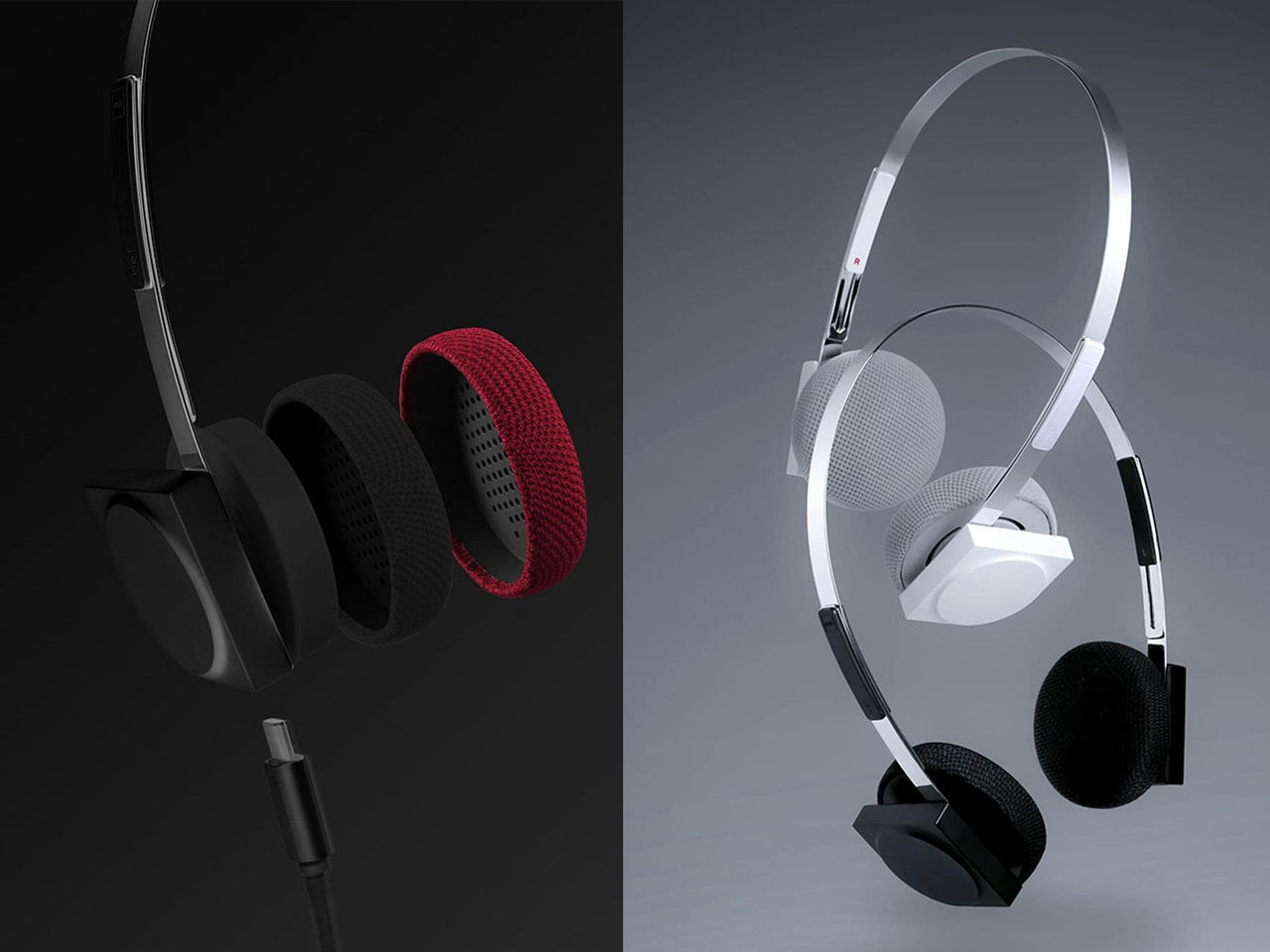
The introduction of a retro-modern peripheral into Sony’s hardware ecosystem carries profound implications across the consumer tech sector. Market intelligence firms note that lifestyle audio accessories represent a resilient pocket of consumer spending, largely immune to broader macroeconomic headwinds due to their accessible luxury price points.
Winners
- Sony’s Hardware Division: By extracting recurring value from archived industrial designs, Sony bolsters its gross margin profile without incurring heavy exploratory R&D costs.
- Analog Purists & Gen Z Consumers: The intersection of low-profile aesthetic appeal and native digital connectivity delivers the tactile satisfaction of vintage gear without the friction of outdated cabling.
- Boutique Audio Modders: The resurgence of classic form factors breathes new life into the secondary market for portable audio accessories, encouraging ecosystem participation.
Losers
- Generic White-Label Peripheral Manufacturers: Brands relying solely on low-cost, uninspired plastic clones face mounting pressure as heritage brands reclaim the retro aesthetic space with authentic provenance.
- Pure-Play Wireless Monopolists: Companies that have abandoned wired architectures entirely find themselves vulnerable to consumers seeking detox solutions from constant Bluetooth pairing and battery anxiety.
Verified Data & Specifications Breakdown
To contextualize the engineering compromise between 1979 acoustics and 2024 connectivity, the following matrix outlines the core specifications, manufacturing shifts, and market positioning metrics associated with the launch.
| Metric / Specification | Original 1979–1984 Iteration | The Revived USB-C Edition | Strategic Impact / Enterprise ROI |
|---|---|---|---|
| Primary Interface | 3.5mm Analog Mini-Plug | USB-C (Integrated DAC) | Eliminates dongle friction for modern mobile hardware. |
| Acoustic Design | Open-air dynamic drivers | Faithful acoustic reproduction | Preserves brand heritage and authentic sound profile. |
| Chassis Material | Pressed steel & foam | Lightweight alloy & modern polymers | Enhances structural durability while reducing unit weight. |
| Target Margin Profile | Standard mass-market consumer electronics | High-margin lifestyle hardware | Protects operating margins through premium pricing tiers. |
Frequently Asked Questions (People Also Answer)
Why is Sony adding USB-C to a retro 1980s headphone design?
The integration of USB-C is a pragmatic response to modern hardware standards. With nearly all contemporary smartphones, tablets, and ultrabooks abandoning the legacy 3.5mm headphone jack in favor of USB-C ports, equipping these vintage-styled headphones with an updated terminal ensures native plug-and-play compatibility without requiring cumbersome external dongles or adapters.
Are these headphones wireless or wired?
Despite the modern USB-C connection, these headphones remain true to their minimalist heritage by utilizing a direct cable connection. The USB-C cable transmits digital audio directly to an internal digital-to-analog converter (DAC), ensuring a zero-latency, lossless listening experience that bypasses the compression artifacts often associated with budget Bluetooth wireless streaming.
How does this release impact Sony’s broader financial strategy?
This product launch exemplifies efficient capital allocation. By leveraging pre-existing intellectual property and industrial designs from its historical archive, Sony avoids heavy exploratory R&D expenditures while capturing high-margin sales from consumers driven by nostalgia and aesthetic differentiation.
Will Sony apply this retro revival strategy to other classic products?
While executive leadership has not officially confirmed subsequent legacy hardware drops, the strong market reception and viral traction of this Walkman headphone reissue establish a clear proof-of-concept. Analysts anticipate that Sony may explore similar modernization treatments for other iconic consumer electronics lines within its vast historical portfolio.
Future Outlook: What Comes Next
As Sony charts its course through an increasingly competitive global technology market, the success of the USB-C Walkman headphone revival serves as a crucial barometer for brand-driven heritage monetization. If consumer uptake remains robust and maintains high gross margins through upcoming fiscal quarters, we can expect a broader corporate initiative aimed at auditing Sony's extensive industrial design archive.
Key milestones to watch in the coming quarters include regional rollout velocities, tier-1 retail placement expansion, and potential collaborative limited-edition drops with prominent fashion and streetwear brands. For investors and industry observers alike, Sony has demonstrated that the past, when engineered with careful respect for modern infrastructure, remains one of the most lucrative assets on the corporate balance sheet.