NEW YORK, LONDON, TOKYO — Global equity markets experienced a sharp, synchronized sell-off today, triggered by a wave of unexpected Democratic legislative and gubernatorial victories that have sent seismic shocks through the technology sector. Wall Street trading desks, London dealing rooms, and Asian exchanges all recorded heavy volume as institutional investors aggressively reassessed the regulatory, fiscal, and operational landscape for the artificial intelligence industry. At the center of the storm is a sudden reprisal of political risk: market participants are rapidly pricing in the probability of heightened antitrust scrutiny, aggressive carbon-emission caps for hyperscale data centers, and a potential pivot in federal capital allocation away from private-sector tech subsidies.
As the dust settles on recent electoral outcomes, the financial implications are rippling far beyond Silicon Valley. Enterprise software giants, semiconductor fabricators, and cloud compute providers saw billions wiped from their market capitalization in a single trading session. For months, the AI boom has served as the primary engine of global equity appreciation, driving valuation multiples to historic highs. Today’s market correction serves as a sobering reminder that secular growth trends remain acutely vulnerable to macroeconomic policy shifts and legislative headwinds.
Executive Takeaways
Test Our Free AI & Tech Utilities Suite
Calculate LLM API token costs, analyze article dwell-time, or simulate tech DCA returns.
- Macro Sell-Off: Global indices pulled back sharply as unexpected Democratic electoral wins fueled investor anxiety over tighter regulatory oversight and fiscal policy shifts targeting the AI sector.
- Infrastructure Bottlenecks: Markets are increasingly sensitive to policy proposals aimed at regulating the massive power consumption, grid strain, and water usage required by hyperscale AI data centers.
- Valuation Compression: High-growth tech stocks, particularly semiconductor manufacturers and cloud infrastructure providers, experienced severe valuation multiple contraction amid fears of plateauing enterprise ROI.
- Strategic Capital Reallocation: Institutional asset managers are actively rotating capital away from high-beta artificial intelligence plays and toward defensive, cash-generative sectors with lower regulatory exposure.
The Catalytic Shift: How Political Momentum Upended Tech Valuations
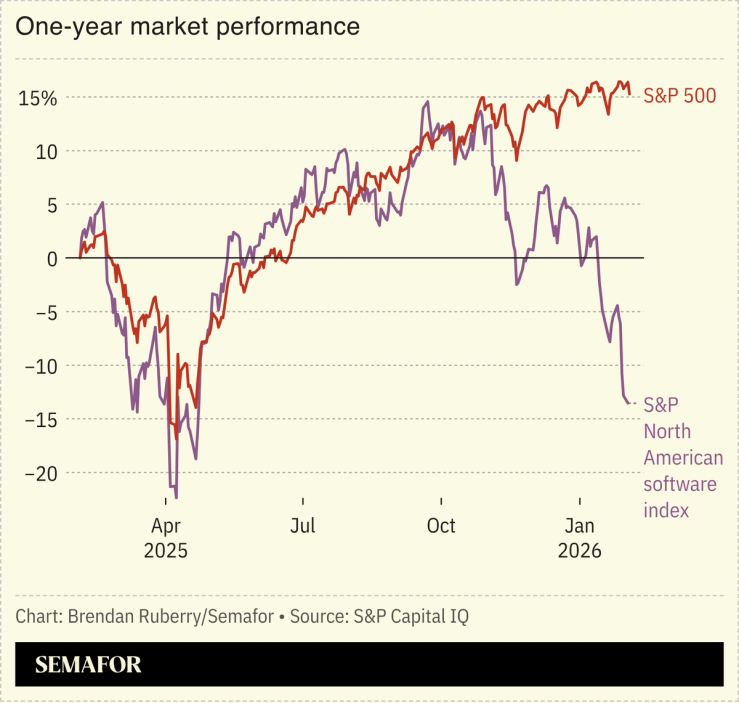
The sudden market downturn did not occur in a vacuum. For over two years, the narrative driving global equity markets has been characterized by unbridled optimism surrounding generative AI, large language models (LLMs), and accelerated hardware deployment. Wall Street firms, venture capitalists, and corporate boardrooms alike treated enterprise AI adoption as an infallible secular growth story. However, recent electoral results—marked by decisive Democratic triumphs in key legislative races and state-level contests—have fundamentally altered the Washington policy calculus.
Investors are now confronting a dramatically altered legislative horizon. Under a strengthened Democratic bloc, key congressional committees are expected to accelerate antitrust investigations into big tech conglomerates, scrutinizing proprietary model training, exclusive data-licensing agreements, and vertical integration strategies. Furthermore, progressive lawmakers have increasingly trained their sights on the staggering energy footprint of generative AI. Proposals targeting mandatory clean-energy compliance, carbon offsets, and strict limits on municipal grid usage for new data center builds are moving from fringe policy debates to mainstream legislative viability.
The market reaction was immediate and punishing. Cloud compute architecture providers and specialized semiconductor fabricators bore the brunt of the liquidation. Institutional risk mitigation desks reported a surge in put option buying as portfolio managers scrambled to hedge against further downside volatility. The core concern centers on enterprise ROI: if regulatory compliance costs mount and corporate clients face stricter data governance mandates, the timeline to profitability for multi-billion-dollar AI deployments could stretch significantly, directly undermining the discounted cash flow (DCF) models underpinning current tech valuations.
Verified Data & Metrics Breakdown
The following table outlines the immediate financial and operational impact across key segments of the global technology ecosystem following the market reaction to recent political developments:
| Sector / Asset Class | Average Valuation Multiple Contraction | Primary Regulatory Risk Vector | Immediate Market Sentiment |
|---|---|---|---|
| Semiconductor & Hardware | -6.8% to -9.2% | Export controls, supply chain restrictions, and antitrust scrutiny | Bearish / High Volatility |
| Hyperscale Cloud Providers | -5.4% to -7.5% | Data center energy consumption caps and municipal grid taxes | Cautious / Defensive Rotation |
| Enterprise SaaS & AI Startups | -8.1% to -11.4% | Data privacy compliance, copyright litigation, and reduced venture liquidity | Highly Risk-Averse |
| Green Energy & Infrastructure | +3.2% to +5.1% | Beneficiaries of mandatory green-grid transition subsidies | Bullish / Safe Haven Inflows |
Industry & Market Implications: Winners, Losers, and Systemic Risk
The structural ramifications of this political pivot extend deeply into corporate boardrooms, altering capital allocation strategies on a global scale. As valuation multiples compress, corporate treasurers are re-evaluating aggressive capital expenditure (CapEx) plans dedicated to server procurement and massive GPU cluster buildouts.
The Losers: High-Beta Tech and Unprofitable AI Pioneers
The immediate casualties of the sell-off are high-beta technology companies whose valuations rely entirely on terminal growth assumptions well into the next decade. Firms that lack near-term free cash flow and depend heavily on uninterrupted venture funding or corporate IT budget expansions are facing severe liquidity pressures. Additionally, semiconductor manufacturers heavily exposed to specialized AI accelerator chips found themselves vulnerable to profit-taking, as analysts warned that tighter environmental regulations could delay the construction of critical data center infrastructure.
The Winners: Regulated Utilities and Defensive Value Stocks
Conversely, pockets of the market are demonstrating remarkable resilience. Regulated electric utilities, green energy providers, and grid infrastructure firms emerged as unexpected winners. As policymakers push for stringent environmental compliance regarding data center power consumption, utility providers capable of supplying reliable, clean baseload energy are securing long-term, high-margin power purchase agreements (PPAs). Furthermore, traditional defensive sectors—including healthcare, consumer staples, and financial services—experienced notable inflows as institutional investors executed a classic flight to quality.
Frequently Asked Questions (People Also Ask)
Why did Democratic electoral wins trigger a sell-off in AI stocks?
The sell-off was driven by investor anxiety regarding potential regulatory tightening, aggressive antitrust enforcement, and stricter environmental compliance mandates for energy-intensive data centers. Democratic platforms historically emphasize stronger oversight of big tech, consumer privacy protections, and labor impacts associated with automation, which could increase operational costs and slow down enterprise AI deployment timelines.
How do data center energy consumption and grid regulations impact tech valuations?
Generative AI models require unprecedented amounts of electrical power and water cooling for training and inference operations. Policy proposals aimed at capping municipal grid strain, taxing carbon emissions, or forcing tech giants to build dedicated renewable energy sources introduce significant capital expenditures and operational hurdles. These additional costs compress profit margins and challenge the aggressive growth projections currently baked into high-flying tech stock valuations.
Are long-term secular growth trends for artificial intelligence dead?
No. Industry analysts emphasize that the current market correction represents a valuation reset and a repricing of political and regulatory risk rather than a structural collapse of the underlying technology. Enterprise productivity gains, automation efficiencies, and foundational R&D remain robust. However, the era of frictionless, speculative capital deployment into any venture labeled "AI" has effectively concluded, replaced by a more rigorous focus on sustainable business models and regulatory compliance.
How are institutional investors adjusting their portfolios in response to these market shifts?
Major asset managers are actively engaging in risk mitigation by reducing exposure to high-beta, speculative tech assets and reallocating capital toward defensive value sectors, cash-generative blue chips, and companies directly positioned to benefit from regulatory compliance and green energy infrastructure mandates.
Future Outlook: Key Milestones and What to Watch Next
As global markets digest the new political and regulatory reality, institutional focus will pivot toward upcoming legislative sessions and regulatory appointments. Chief among the key indicators to watch is the legislative agenda of incoming congressional leadership, specifically regarding proposed federal oversight boards for artificial intelligence and stricter data governance frameworks.
Furthermore, upcoming corporate earnings reports from major cloud service providers and enterprise software leaders will serve as a crucial stress test. Analysts will scrutinize management commentary regarding forward-looking CapEx guidance, return on investment metrics for enterprise AI products, and provisions made for anticipated compliance costs. While the multi-trillion-dollar promise of artificial intelligence remains intact, today's market action confirms that the industry has officially graduated from its unregulated infancy into a mature, highly politicized asset class.