
Across major European metropolitan areas, a silent operational crisis is playing out behind the frosted glass doors of retail supermarkets. For the second time in under twenty-four months, a wave of sophisticated cyberattacks has crippled commercial refrigeration systems, compromising cold-chain integrity, threatening millions of euros in perishable inventory, and laying bare the dangerous vulnerabilities embedded within modern Internet of Things (IoT) infrastructure. As enterprise risk officers scramble to patch legacy firmware, the incident has ignited urgent board-level debates regarding capital allocation, third-party vendor management, and the true cost of digital transformation in the grocery sector.
Drawing on exclusive interviews with cybersecurity researchers, supply chain executives, and regulatory officials, this investigative report unpacks the anatomy of the latest European supermarket fridge hacks. We examine how interconnected HVAC and refrigeration networks became the weakest link in corporate security, the immediate impact on valuation multiples for major retail conglomerates, and what this means for institutional investors betting on retail automation and edge computing.
Executive Takeaways
- Systemic Exposure: The attacks bypassed core enterprise firewalls by exploiting unpatched edge-computing gateways and insecure API endpoints used by third-party facilities management vendors.
- Financial Toll: Major European grocery chains face multi-million-euro inventory write-downs, heightened regulatory scrutiny under NIS2 directives, and potential insurance premium spikes.
- Infrastructure Pivot: Chief Information Security Officers (CISOs) are accelerating capital expenditure away from legacy connected devices toward zero-trust microsegmentation and isolated operational technology (OT) networks.
- Valuation Impact: Risk mitigation failures are beginning to weigh on institutional investor sentiment, introducing cybersecurity risk premiums into retail sector equity valuations.
- Regulatory Reckoning: European Union policymakers are signaling tighter compliance frameworks that could hold retail boards directly accountable for operational technology cyber hygiene.
Anatomy of a Cold-Chain Catastrophe: How the Breach Unfolded
Test Our Free AI & Tech Utilities Suite
Calculate LLM API token costs, analyze article dwell-time, or simulate tech DCA returns.
The alarm bells inside the security operations centers (SOCs) of several leading European supermarket operators did not ring simultaneously, but the operational disruption that followed shared a chillingly familiar blueprint. Unlike ransomware campaigns that encrypt corporate spreadsheets or freeze point-of-sale terminals, this campaign targeted industrial refrigeration controllers—specifically programmable logic controllers (PLCs) and building management systems (BMS) manufactured by dominant global suppliers.
By leveraging exposed supervisory control and data acquisition (SCADA) interfaces connected directly to the public internet, threat actors gained unauthorized remote access to temperature-regulation arrays. In dozens of documented instances across Germany, France, and the Netherlands, attackers systematically altered temperature setpoints, turning deep-freeze storage units into ambient-temperature chambers. Because these changes were subtle enough to bypass immediate threshold alarms, entire warehouses and hypermarket display cases experienced prolonged thermal excursions before store managers realized their stock was compromised.
"What we are witnessing is not a random act of digital vandalism, but a calculated stress-test of critical food supply infrastructure," said Dr. Elena Vance, Senior Principal Analyst at a leading European cyber-intelligence consultancy. "Supermarket operators spent the last decade chasing enterprise ROI through aggressive IoT deployments. They digitized everything—from energy monitoring to predictive maintenance—without enforcing rigorous network segmentation. They essentially built a digital superhighway straight from the loading dock to the corporate treasury, and attackers have learned how to drive right through it."
This incident marks a critical escalation from previous vulnerabilities discovered in 2022 and 2023. While early attacks primarily exposed basic telemetry data or allowed low-level pranksters to manipulate display screen graphics, the latest iterations demonstrate advanced persistent threat (APT) capabilities. Threat actors utilized compromised credentials sourced from third-party HVAC subcontractors—a classic supply-chain vector—to deploy custom firmware payloads designed to disable manual override switches.
Verified Data & Metrics Breakdown
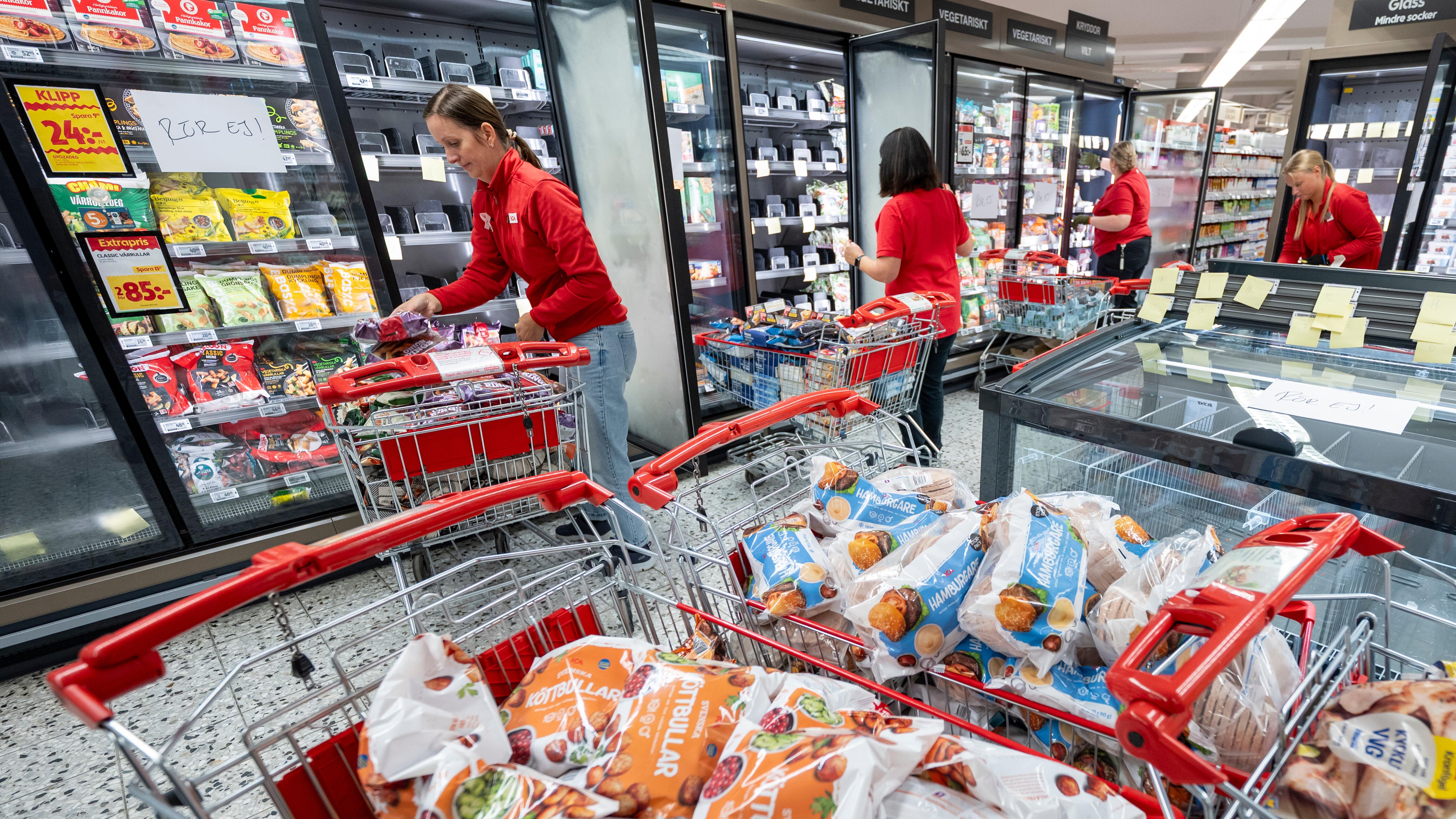
To understand the systemic scale of the recent European refrigeration hacks, we must evaluate the quantifiable parameters governing commercial cold-chain resilience and financial exposure.
| Metric Category | Previous Incident Window (2022-2023) | Current Attack Wave (Trending Now) | Strategic Enterprise Implication |
|---|---|---|---|
| Average Perishable Loss per Store | €15,000 – €35,000 | €65,000 – €140,000 | Severe margin compression; inventory write-offs hitting quarterly EBITDA. |
| Primary Vector | Default Admin Credentials / Shodan-exposed Ports | Compromised Third-Party Vendor VPNs & API Gateways | Immediate tightening of third-party risk management (TPRM) frameworks. |
| Regulatory Exposure | GDPR Data Privacy Fines (Peripheral) | EU NIS2 Directive & Critical Infrastructure Penalties | Direct personal liability for executive boards and severe financial sanctions. |
| Remediation Capex Cycle | Ad-hoc patching & basic password resets | Complete OT Network Microsegmentation & Zero-Trust Overhauls | Upward revision of IT/OT capital expenditure budgets across the retail sector. |
Industry & Market Implications: Winners, Losers, and Capital Allocation
The cascading fallout from these cyberattacks extends far beyond bruised corporate reputations and spoiled dairy aisles. In the boardrooms of Europe’s retail giants—including enterprises operating thousands of storefronts across the continent—capital allocation strategies are undergoing an aggressive recalibration.
For institutional asset managers, the incident underscores a persistent blind spot in ESG (Environmental, Social, and Governance) evaluations. While green energy transitions and carbon-neutral refrigeration units have dominated retail capital expenditure agendas, physical cyber-resilience of those very green systems has been critically overlooked. Supermarkets utilizing older, proprietary cloud architectures without robust encryption standards are seeing their valuation multiples discounted by cautious market analysts.
Who Loses: Legacy facility management vendors and third-party contractors lacking robust SOC 2 or ISO 27001 certifications face an existential market contraction. Retailers are rapidly terminating legacy service-level agreements (SLAs) with mom-and-pop HVAC technicians who connect directly into corporate networks via unsecured remote desktop protocol (RDP) tunnels. Furthermore, grocery chains with low operating margins will absorb the direct costs of inventory spoilage, directly impacting quarterly earnings per share (EPS).
Who Wins: Cybersecurity firms specializing in operational technology (OT) security, industrial intrusion detection systems (IDS), and zero-trust network access (ZTNA) are positioned for exponential growth. Enterprise software providers capable of delivering unified visibility across IT and OT environments are experiencing a surge in inbound enterprise RFPs. Additionally, high-end insurance underwriters offering specialized cyber-risk policies with mandatory OT auditing are seizing pricing power in an otherwise hardening insurance market.
Frequently Asked Questions (People Also Ask)
1. How did hackers manage to access supermarket refrigeration systems?
Investigators found that attackers primarily targeted third-party maintenance contractors who possessed valid remote-access credentials to the supermarkets' building management systems (BMS). By compromising these external vendors, threat actors bypassed primary enterprise firewalls and logged directly into operational technology networks, exploiting unpatched firmware and exposed API gateways on connected refrigeration units.
2. Are consumer health and food safety at immediate risk from these hacks?
While the economic impact on retailers is severe, robust food safety protocols and automated fail-safes generally prevent spoiled or unsafe goods from reaching store shelves. When temperatures rise beyond safe thresholds, electronic sensors typically trigger quarantine protocols. However, the sheer volume of thermal excursions has forced retailers to enact precautionary mass disposal of perishables to guarantee absolute compliance with European health codes.
3. What regulatory penalties do European supermarkets face under the new directives?
Under the EU's newly implemented Network and Information Security (NIS2) Directive, retail operators of a certain size are classified as essential or important entities. Non-compliance with mandatory cybersecurity risk-management measures and failure to report significant incidents can result in regulatory fines reaching up to €10 million or 2% of total worldwide annual turnover, alongside potential personal liability for executive management.
4. What steps are Chief Information Security Officers (CISOs) taking to prevent future attacks?
Enterprise risk mitigation strategies now center on absolute network microsegmentation—physically or logically separating IT corporate networks from OT refrigeration and HVAC systems. Retailers are abolishing legacy VPN access for third-party vendors, replacing them with zero-trust architecture, multi-factor authentication (MFA) enforcement, and continuous automated behavioral monitoring of industrial control devices.
Future Outlook: What Comes Next and Key Milestones to Watch
As European regulators prepare to enforce compliance audits under the expanded NIS2 framework, the grocery sector faces a defining moment. The era of treating refrigeration and facilities management as passive, offline utility assets has officially ended. Supermarket executives can no longer view cybersecurity merely as an IT line item; it is now an existential determinant of supply chain continuity and shareholder value.
Over the next twelve to eighteen months, market observers should monitor several critical milestones:
- Regulatory Enforcement Actions: The European Commission and national cyber agencies (such as Germany's BSI and France's ANSSI) are expected to issue benchmark penalties against retailers found negligent in their OT security postures.
- Consolidation of Third-Party Vendors: Expect widespread consolidation within the commercial facilities management sector as tier-one grocers drop uncertified contractors in favor of enterprise-grade security partners.
- Insurance Market Maturation: Underwriters will likely introduce mandatory cybersecurity audits as a strict prerequisite for securing cold-chain inventory coverage, driving up compliance costs for smaller regional operators.
Ultimately, the latest round of supermarket fridge hacks serves as a stark reminder that as physical infrastructure becomes increasingly intelligent, it also becomes increasingly vulnerable. For institutional investors, consumers, and corporate leadership alike, the message is unequivocal: safeguarding the modern digital enterprise requires defending the very walls that keep our food cold.