NEW YORK — The portable computing landscape has reached a generational inflection point. As consumer electronics giants and legacy silicon manufacturers push thermal dynamics and graphics architectures to unprecedented limits, the market for mobile gaming rigs has fundamentally transformed. For years, buyers faced an unpalatable compromise: blistering performance tethered to a heavy, expensive chassis, or affordable portability that sacrificed frame rates the moment a modern title booted up.
According to comprehensive benchmark data and testing reports released by industry analysts at PCMag, the 2026 hardware cycle has finally bridged that divide. Driven by next-generation neural processing units, hyper-efficient silicon nodes, and advanced vapor-chamber cooling, this year’s hardware lineup delivers desktop-grade fidelity to form factors that easily slip into a standard backpack. At the center of this consumer shift is the perennial question facing every modern shopper: Which machine genuinely delivers maximum value without breaking the bank?
The Sweet Spot: Balancing Cost and Raw Compute Power
Market intelligence indicates that while ultra-enthusiast rigs outfitted with top-tier GPUs continue to capture headlines, the volume driver for 2026 rests firmly in the mid-to-high performance category. Extensive lab evaluations highlight a clear frontrunner for the average consumer navigating today’s volatile retail environment.
The MSI Katana 15 HX has officially secured the crown as the premier baseline gaming laptop for most shoppers. Industry reviewers note that its aggressive pricing structure, paired with a robust thermal architecture and current-generation processing cores, makes it the definitive value play of the year. Unlike luxury models that demand a steep premium for marginal aesthetic upgrades, the Katana 15 HX focuses capital where it matters most: sustained frame rates, reliable memory configurations, and crisp display refresh rates.
- Democratized Performance: Advanced mid-tier laptops now handle ray-tracing and complex physics engines natively without catastrophic thermal throttling.
- Value Shift: Consumers are increasingly prioritizing long-term component upgradability over flashy, non-essential chassis lighting.
- Cross-Industry Convergence: The boundary between professional content creation workstations and high-end gaming laptops has nearly vanished, driven by shared GPU architectures.
Comparative Hardware Breakdown: 2026’s Top Tier
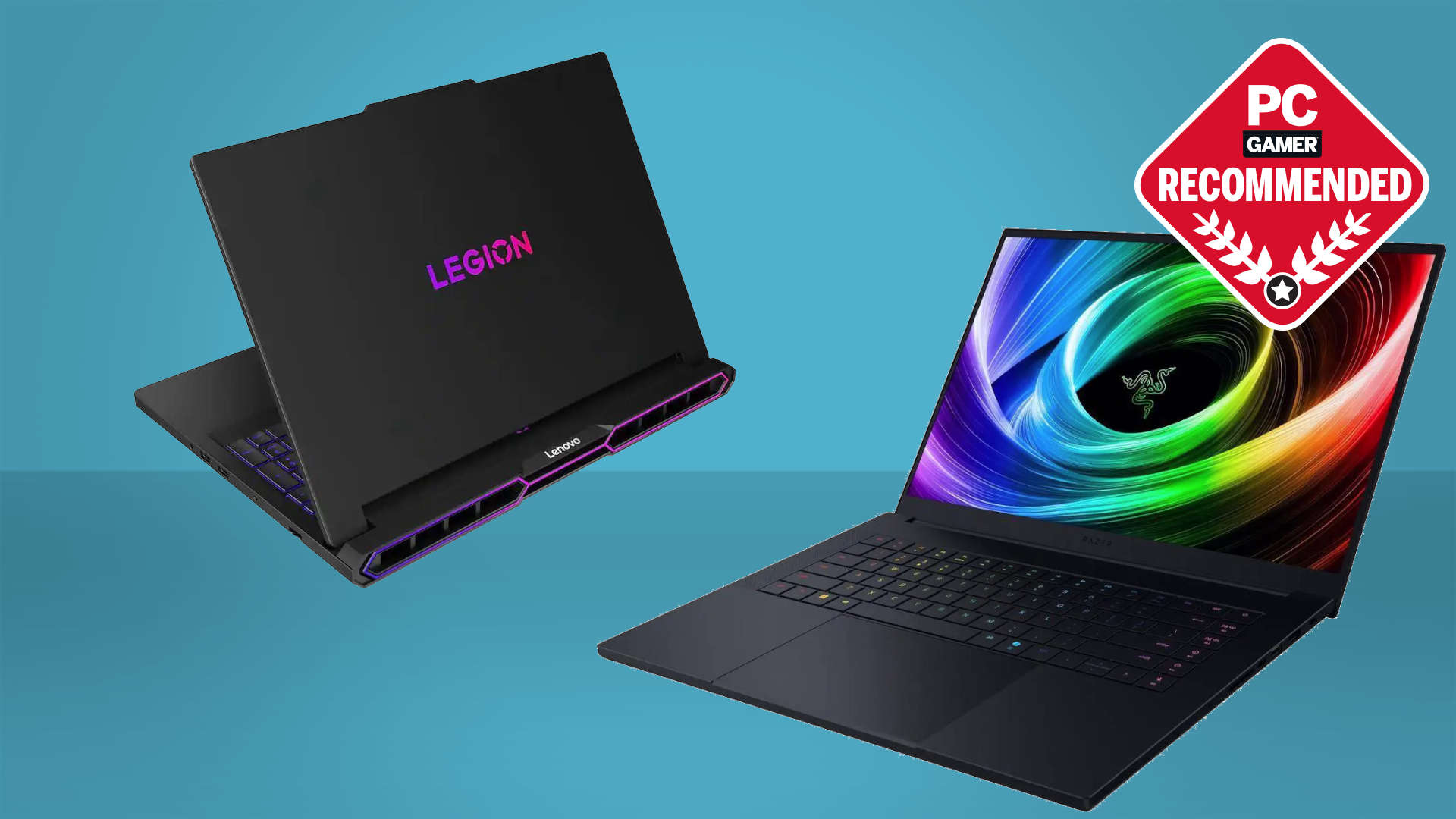
To navigate the crowded retail landscape, our editorial desk has synthesized key performance tiers based on recent testing metrics. The following matrix outlines what buyers can expect across different price points in the current market:
| Category / Use Case | Top Recommended Model | Key Strength | Target Consumer |
|---|---|---|---|
| Best Overall Value | MSI Katana 15 HX | Balanced price-to-performance ratio | Mainstream gamers seeking reliability |
| Ultra-Enthusiast / Pro | Custom Flagship Rigs (RTX 50-Series) | Uncompromising 4K frame rates & ray tracing | Competitive pros & heavy content creators |
| Ultra-Portable Hybrid | Thin-and-Light Chassis Variants | Extended battery life & lightweight build | Students and frequent business travelers |
Broader Market Dynamics: The Convergence of Gaming and High-Res Media
The ripple effects of this hardware boom extend far beyond the traditional gaming community. Analysts monitoring the intersection of consumer tech and digital media note that the components powering 2026's top-tier gaming laptops—specifically high-bandwidth memory pipelines and advanced tensor cores—are simultaneously transforming adjacent industries, such as ultra-high-definition digital cinematography.
Simultaneous reports from niche sectors like Digital Camera World highlight a parallel race toward extreme high-resolution capture, with the market now inundated with cutting-edge 8K and 6K video cameras. Creators editing massive, uncompressed raw footage in the field rely heavily on the exact same mobile workstation architectures optimized by gaming laptop manufacturers. This dual-market demand has accelerated research and development cycles, resulting in better thermal efficiency, brighter HDR panels, and longer battery life for all mobile power users.
Looking Ahead: What to Expect in the Second Half of 2026
As supply chains stabilize and next-generation silicon production ramps up globally, industry experts anticipate aggressive pricing competition heading into the crucial back-to-school and holiday shopping windows. Retailers are expected to bundle software suites and extended warranties to capture market share in an increasingly crowded ecosystem.
For prospective buyers, the overarching takeaway is clear: waiting for the "next big thing" no longer yields exponential gains. The hardware currently available on shelves represents a mature, highly refined generation of portable computing capable of standing shoulder-to-shoulder with traditional desktop towers.
Frequently Asked Questions
1. Is it better to buy a mid-tier gaming laptop now or wait for late-year price drops?
Current market analysis suggests that manufacturers have already priced in anticipated silicon supply adjustments for 2026. Models like the MSI Katana 15 HX offer an optimal balance of price and performance right now, meaning waiting may only yield marginal savings on aging hardware.
2. Can modern gaming laptops double as professional workstations for video editing and 3D rendering?
Yes. Thanks to high core counts, dedicated tensor cores, and abundant system RAM, today’s top-tier gaming laptops are routinely deployed by professionals handling demanding 4K video editing, 3D modeling, and machine learning workloads.