The Red Sea Gambit: How Houthi Gains Hand Iran Ultimate Leverage Over US and Saudis—While Risking Total Collapse at Home
As the rebel group expands its military footprint and disrupts global trade, Tehran’s strategic hand strengthens. But inside Yemen, a worsening humanitarian crisis and economic ruin threaten to implode the Houthi regime from within.
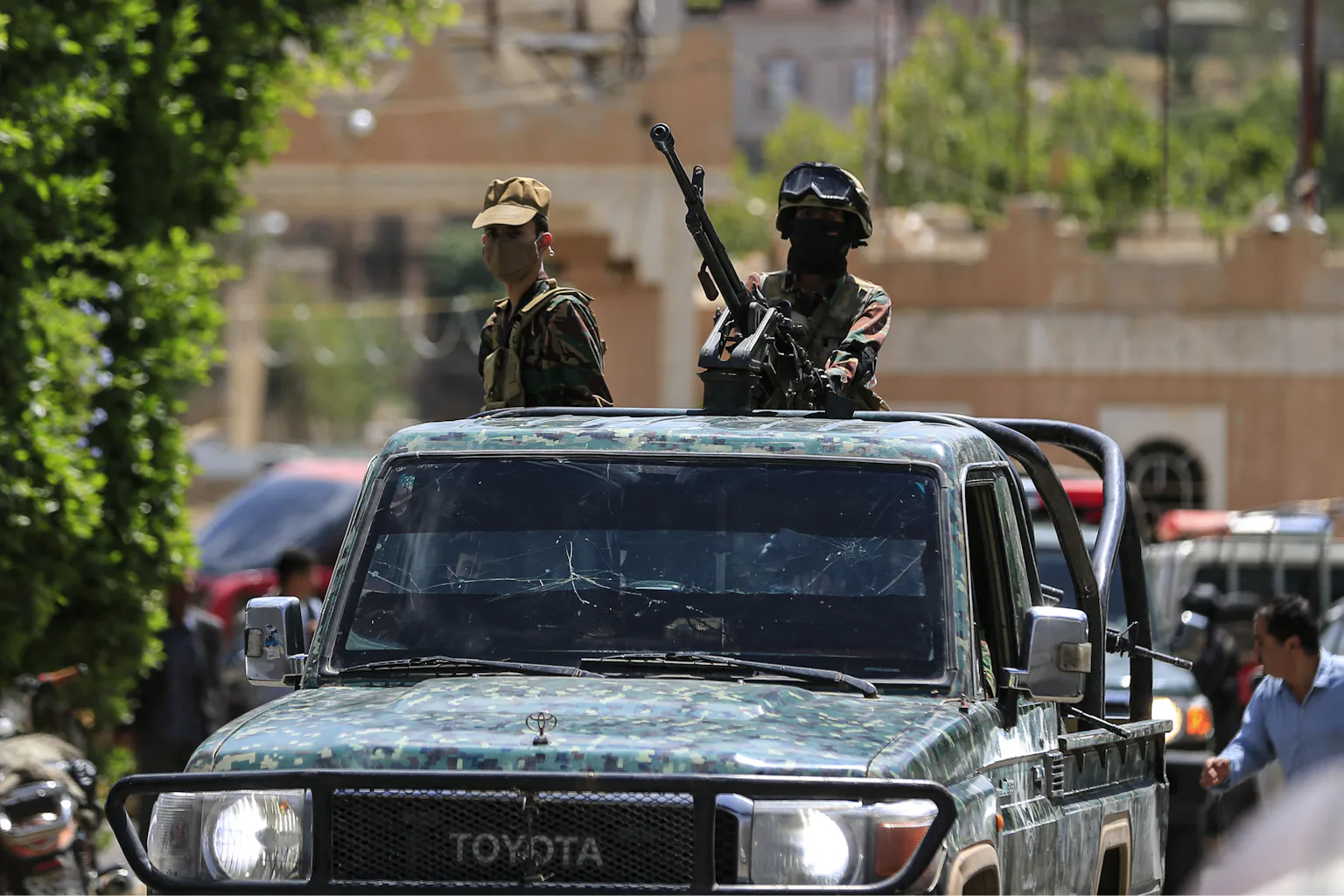
SANAA/WASHINGTON — The geopolitical chessboard of the Middle East has undergone a dramatic realignment. Over the past several months, the Ansar Allah movement—commonly known as the Houthis—has transitioned from a localized Yemeni rebel group into a formidable regional actor capable of dictating the terms of global trade and maritime security. This military ascendance has handed their primary benefactor, the Islamic Republic of Iran, unprecedented leverage over the United States and Saudi Arabia.
Yet, behind the high-profile missile strikes in the Red Sea and triumphant anti-Western rhetoric lies a fragile domestic reality. Diplomatic, economic, and security analysts warn that the Houthis’ focus on global power projection is actively alienating their domestic base. In northern Yemen, the local population is grappling with severe food shortages, hyperinflation, and a complete collapse of public infrastructure—a volatile mix that threatens to cost the rebel group its hard-won, domestic legitimacy.
The Tehran Connection: Leveraging Global Trade Chokepoints
By executing sophisticated drone and ballistic missile strikes on commercial shipping vessels in the Bab-el-Mandeb strait, the Houthis have effectively weaponized one of the world's most critical maritime chokepoints. This has directly served Iran's regional foreign policy objectives, forcing the United States and its allies into a costly defensive posture and disrupting Western supply chains.
For Iran, the Houthis' actions provide a powerful, deniable mechanism to project power without triggering a direct military conflict with Washington or Riyadh. Through this proxy war, Tehran has signaled that any attempt to further isolate Iran economically or diplomatically will result in severe disruptions to global energy and cargo shipping routes. This dynamic has left the U.S. and its European allies struggling to establish effective deterrence, as the multi-billion dollar naval coalition "Operation Prosperity Guardian" has failed to completely halt Houthi drone strikes.
The Saudi Dilemma: Protecting Vision 2030

For Saudi Arabia, the Houthi advance represents an immediate threat to Crown Prince Mohammed bin Salman’s ambitious economic transformation agenda, "Vision 2030." Riyadh’s primary objective has shifted from defeating the Houthis militarily to securing its borders and protecting its massive domestic infrastructure projects, such as NEOM, from cross-border drone strikes.
To preserve this delicate domestic stability, Saudi negotiators have been forced to engage in direct, back-channel peace talks with the Houthis, offering substantial financial concessions and proposing to pay the salaries of public civil servants in Houthi-controlled territories. This diplomatic capitulation highlights the immense leverage the rebel group currently holds over Riyadh, effectively holding the kingdom's economic future hostage.
The Domestic Paradox: A Regime Built on Broken Promises
While the Houthis project strength abroad, their domestic governance is deteriorating rapidly. The group’s military campaigns have drained local resources, leaving little funding for basic public services. This internal neglect has triggered widespread public anger, particularly in densely populated urban centers like Sana’a and Hodeidah.
- Unpaid Public Salaries: Despite demanding that Saudi Arabia fund local civil servant wages, the Houthis have refused to allocate their own significant tax and customs revenues toward public salaries, hoarding wealth for military expenditures.
- Economic Exploitation: The regime has imposed aggressive taxation and "war efforts" levies on local businesses, crippling the private sector and exacerbating the humanitarian crisis.
- Systematic Repression: To suppress growing domestic dissent, the Houthis have intensified their crackdown on civil society, arresting local journalists, humanitarian workers, and political activists under the guise of combating "foreign espionage."
Comparative Analysis: External Leverage vs. Internal Stability
The following table illustrates the sharp contrast between the Houthis' growing international influence and their rapidly deteriorating domestic indicators.
| Geopolitical Asset (External Leverage) | Domestic Vulnerability (Internal Risk) | Strategic Implication |
|---|---|---|
| Red Sea Maritime Disruption: Control over the Bab-el-Mandeb strait, impacting 12% of global trade. | Port and Fuel Monopolization: Rising fuel prices and artificial scarcity inside Houthi-held areas. | High risk of local food riots and civil unrest due to artificial economic suffering. |
| Tehran's Military Support: Direct access to advanced Iranian drone, missile, and intelligence technology. | Tribal Backlash: Growing resentment from powerful northern Yemeni tribes over forced conscription of youth. | Loss of tribal alliances could fracture the Houthis' ground combat capabilities. |
| Leverage over Riyadh: Ability to threaten Saudi "Vision 2030" mega-projects with drone strikes. | Public Sector Collapse: Millions of public workers unpaid for years, leading to widespread extreme poverty. | Loss of political legitimacy as a governing body; viewed increasingly as an occupying militia. |
The Road Ahead: Can the Houthis Survive Their Own Success?
As the international community debates how to respond to the Houthi maritime threat, the ultimate threat to the group's survival may come from within. While anti-Western and anti-Israel rhetoric has temporarily united various domestic factions, this ideological distraction is beginning to lose its efficacy in the face of widespread famine and public sector collapse.
If the Houthis continue to prioritize Tehran's regional objectives over the basic welfare of the Yemeni people, they risk facing a decentralized, domestic uprising that even their advanced security apparatus may fail to contain. For the US and Saudi Arabia, the strategic challenge is to balance maritime deterrence with policies that hold the Houthis accountable for their domestic failures, potentially shifting the balance of power back in favor of a stable, sovereign Yemeni state.
Frequently Asked Questions (FAQ)
1. Why are the Houthis disrupting international shipping in the Red Sea?
The Houthis have launched attacks on commercial shipping vessels under the pretext of supporting Palestinians and protesting Western policy in the Middle East. However, geostrategically, these actions allow them to demonstrate their military utility to Iran, gain international leverage over the U.S. and Saudi Arabia, and distract their domestic population from severe internal governance failures.
2. How does the domestic situation in Yemen threaten Houthi rule?
While the Houthis possess significant military strength, they are failing as a governing authority. The collapse of public services, systemic non-payment of civil servant salaries, aggressive tax extortion, and widespread famine have deeply alienated the local population and powerful northern tribes. This growing domestic anger could eventually erupt into an internal rebellion, undermining their military victories.


![[HMG Tech Talent Forum 2026 Series ②] Minwoo Park, President and Head of AVP Division at Hyundai Motor Group and CEO of 42dot; Hyundai Motor Group’s Roadmap for Commercializing AI Technology](https://www.hyundaimotorgroup.com/image/upload/asset_library/MDA00000000000079943/06e7fc79563c448eb27874eeea34f579.jpg)