Executive Takeaways
- The Parity Threshold Breached: Commercial battery pack costs have dipped into the $78–$84/kWh range for high-volume lithium iron phosphate (LFP) and lithium manganese iron phosphate (LMFP) cells, effectively breaking the psychological $100/kWh barrier that long delayed mass-market electric vehicle (EV) price parity.
- Process Engineering Over Pure Alchemy: While solid-state technology remains an enterprise-scale horizon play for 2028–2030, current cost reductions are driven by manufacturing process advances—notably dry battery electrode (DBE) coating, continuous mixing, and cell-to-chassis (CTC) structural integration that strips up to 35% of non-active pack weight.
- A Widening Geopolitical Spread: Regional cost bifurcation has reached an all-time peak. Sub-$75/kWh packs in East Asian supply chains clash with $105–$115/kWh localized packs in North America and Western Europe, where automakers navigate Foreign Entity of Concern (FEOC) rules, carbon border adjustments, and capital expenditure amortization on nascent gigafactories.
- Capital Allocation Paradigm Shift: Automakers face a severe return-on-equity divergence. Pure-play cost leaders with fully depreciated cell assets are capturing cash-flow positive margins on $25,000 retail vehicles, while legacy OEMs reliant on unhedged merchant cell agreements face steep margin compression or platform-level write-downs.
The Death of the '$100/kWh Myth' and the Reality of 2026
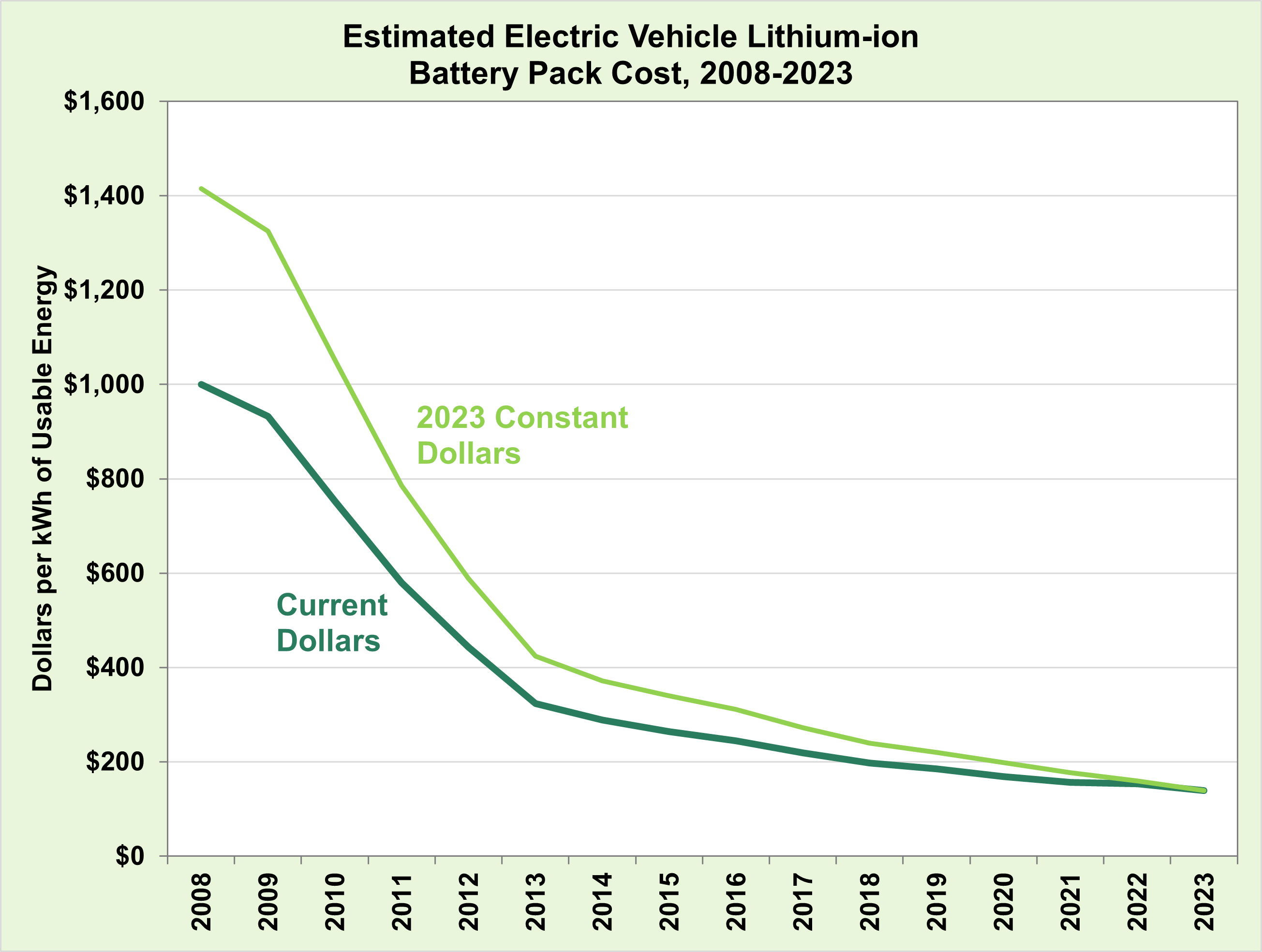
For more than a decade, the global automotive C-suite operated under an article of faith: once battery packs reached $100 per kilowatt-hour at the volume pack level, the internal combustion engine (ICE) would gracefully yield to electric propulsion on an unsubsidized, showroom-sticker basis. Yet as inflation, raw-material whipsaws, and high borrowing costs collided with the market over the past three years, that threshold proved deceptive. Vehicle-level cost parity did not arrive uniformly at $100/kWh because rising distribution, copper, microelectronics, and software integration costs pushed the true parity target down to roughly $80/kWh for mass-market B- and C-segment platforms.
Now, according to a landmark research brief published by McKinsey & Company on January 2, 2026 (“The Future of Affordable EVs: Breakthroughs in Battery Pack Costs”), that elusive sub-$80 horizon is no longer theoretical. In targeted manufacturing clusters, fully integrated pack architectures have crossed below the $85/kWh waterline, with top-tier producers tracking toward $70/kWh before 2028. This inflection is fundamentally reconfiguring global capital allocation, forcing legacy original equipment manufacturers (OEMs) to overhaul their supply-chain architectures or surrender entry-level vehicle segments altogether.
What makes this development distinct from earlier cost declines—which were driven almost entirely by commodity deflation in lithium carbonate and nickel sulfates—is that the current drop is anchored in deep architectural simplification, high-throughput manufacturing innovations, and radical cathode diversification.
Engineering the Cheap Kilowatt: The Manufacturing Triad
The step-change in pack economics is governed by three interlocked vectors: cathode reformulations that eliminate critical-mineral exposure, structural integration that bypasses traditional module-level overhead, and industrial gigafactory efficiencies that drastically compress scrap rates.
1. The Rise of Manganese and Sodium Intercalation
While nickel-manganese-cobalt (NMC) chemistries retain their dominance in premium, long-range platforms where volumetric energy density remains non-negotiable, the center of gravity in mass-market vehicles has pivoted definitively to advanced polyanion and earth-abundant systems. The most aggressive volume driver in 2026 is industrial-grade Lithium Manganese Iron Phosphate (LMFP). By introducing manganese into traditional LFP crystal lattices, cell engineers have elevated nominal operating voltages from 3.2V to 3.7V, unlocking a 15% to 20% improvement in energy density without the thermal runaway liabilities or cost penalties of cobalt and nickel.
Concurrently, first-generation sodium-ion (Na-ion) battery packs have scaled from pilot operations into urban mobility fleets and entry-level passenger commuter cars. With raw material costs for cathode precursors tracking up to 60% lower than standard lithium-based compounds, sodium-ion cells have entered structural pack environments at under $60/kWh cell-level, insulating low-cost vehicle segments from the geopolitical choke points of global lithium refining.
2. Structural Miniaturization: Cell-to-Chassis (CTC)
The historic practice of assembling cells into modules, modules into packs, and packs into vehicle platforms introduced vast parasitic weight, auxiliary cooling loops, and high assembly bill-of-materials (BOM) costs. Pack-level breakthroughs in 2026 are primarily mechanical:
- Volumetric Efficiency Gains: Modern Cell-to-Pack (CTP 3.0) and Cell-to-Chassis (CTC) platforms elevate space utilization efficiency from 45% a half-decade ago to over 72% today.
- Part Consolidation: Eliminating module housings, internal cross-members, and redundant wire harnesses has eradicated tens of kilograms of dead weight per vehicle, creating a virtuous design cycle: lighter vehicles require smaller battery capacities to achieve nominal 250-to-300-mile ranges, lowering enterprise cost per unit.
3. Process Economics: Dry Coating and Megacasting Integration
On the factory floor, the capital expenditure required to establish an automotive gigafactory has historically been bloated by energy-intensive electrode drying ovens and complex solvent-recovery systems (primarily for toxic N-Methyl-2-pyrrolidone, or NMP). The commercialization of dry battery electrode (DBE) processing across leading production lines has slashed gigafactory footprint requirements by up to 30% while reducing electrode-processing energy consumption by roughly 45%. Combined with high-speed laser welding, real-time computer-vision inspection, and automated cell formation cycles, first-pass manufacturing yields have ascended from historic averages of 82% to enterprise benchmarks topping 94%.
| Metric / Architecture | 2022 Benchmark | 2024 Transition | 2026 Commercial Standard |
|---|---|---|---|
| Average Pack Cost (Volume LFP/LMFP) | $138 / kWh | $98 / kWh | $78 – $84 / kWh |
| Average Pack Cost (High-Nickel NMC) | $162 / kWh | $128 / kWh | $102 – $110 / kWh |
| Pack-Level Volumetric Efficiency | 45% – 52% | 60% – 65% | 70% – 74% |
| Gigafactory Scrap / Rejection Rates | 12% – 18% | 8% – 10% | 4% – 6% |
| Capex per GWh of Installed Capacity | $80M – $100M | $65M – $75M | $42M – $50M |
| ICE Upfront Price Parity ($25,000 Segment) | Negative Margin | Subsidized Only | Organic Parity Achieved |
Geopolitical Divergence and Regional Arbitrage
The macroeconomic picture sketched out in the McKinsey findings is characterized by deep geographic fragmentation. There is no longer a single global battery price; instead, the world has broken into three distinct cost regimes governed by industrial policy, trade protectionism, and local supply chain maturity.
The Asian Cost Baseline
Domestic Chinese battery ecosystems, operating on localized upstream mining, hyper-integrated refining assets, and aggressive production scale, have already pushed standard LFP pack pricing below $70/kWh in domestic vehicles. This ultra-low baseline has enabled original equipment manufacturers in the region to launch feature-complete, mid-range passenger vehicles at domestic retail equivalents below $18,000 with healthy gross operating margins.
The North American Protectionism Premium
In contrast, the North American regulatory framework—anchored by the Inflation Reduction Act’s (IRA) stringent Section 30D consumer credits and Section 45X Advanced Manufacturing Production Credits—has erected a structural cost premium. To ensure compliance and bypass Foreign Entity of Concern (FEOC) disqualifications, automakers are forced to source precursor materials and process lithium through higher-cost, allied-jurisdiction supply chains.
While Section 45X offsets these localized costs by paying up to $35/kWh for domestically produced cells and $10/kWh for modules, the raw capital costs of standing up greenfield gigafactories in the United States—compounded by unionized labor dynamics, regulatory permitting timelines, and higher utility tariffs—anchor localized pack costs closer to $100 to $115/kWh. Automakers in this market are balancing federal balance-sheet transfers against substantial upfront capex, dampening their near-term ability to offer genuinely profitable sub-$25,000 models without federal subsidy cushions.
The European Transition Dilemma
European OEMs face the most acute margin compression. Confronted with the EU’s Battery Passport mandates, stringent Corporate Average Fuel Economy (CAFE) fleet emissions standards, and elevated energy input costs across the continent, Western European gigafactory ventures have scaled slower than planned. High-profile project delays have prolonged the reliance of European automakers on imported modules, rendering them vulnerable to tariffs and currency fluctuations, even as regulatory compliance pressures accelerate.
Industry Implications: Enterprise ROI, Winners, and Casualties
The arrival of scalable, sub-$80 pack technologies bifurcates global automakers into two distinct financial camps, decisively shifting automotive valuation multiples.
The Structural Winners
- Vertically Integrated Battery Champions: Mega-suppliers such as CATL, BYD, and rapidly advancing Tier-1 players like LG Energy Solution and Samsung SDI that possess proprietary chemistry portfolios, in-house continuous mixing technologies, and robust refining networks are capturing expanding operating margins. Their enterprise value is shifting from pure auto-supplier multiples toward high-value advanced technology valuations.
- Platform-Agile Automakers: OEMs that decoupled their physical skateboard architectures from specific cell chemistries—allowing seamless plug-and-play transitions between LFP, LMFP, and entry-level Sodium-ion based on prevailing spot commodity prices—are protecting their gross product margins.
The Legacy Value Traps
- Captive Tier-1 Joint Ventures With Rigid Chemistries: Automakers that locked themselves into capital-intensive, high-nickel NMC joint ventures across 2021–2023 with strict volume take-or-pay clauses are now saddled with excessive per-kWh production costs for entry- and mid-tier product lines. Amortizing these multibillion-dollar investments over slowing premium-EV adoption rates threatens significant balance-sheet impairment charges.
- Under-Capitalized Pure-Play Startups: Pure-play EV makers operating at low production volumes without internal pack manufacturing or raw-material hedge desks are caught in an existential squeeze. Lacking purchasing power to demand sub-$85/kWh merchant rates, their unit economics remain deeply negative in entry-level market tiers.
Frequently Asked Questions (People Also Ask)
When will electric vehicles reach true upfront price parity with gas-powered cars?
True unsubsidized upfront showroom parity is occurring throughout 2026 in entry-to-midsize vehicle classes across regions with advanced supply chains, largely due to pack costs falling beneath the $80/kWh threshold. In North America and Western Europe, where localization constraints, tariff structures, and gigafactory capital amortization add cost overhead, mainstream upfront parity for $25,000–$30,000 passenger vehicles is expected between 2026 and 2028, supported in the interim by regional industrial subsidies and tax credits.
What specific battery chemistry is driving pack costs below $80 per kilowatt-hour?
The primary catalyst is the maturation of advanced Lithium Iron Phosphate (LFP) and Lithium Manganese Iron Phosphate (LMFP) chemistries, combined with the emergence of commercial Sodium-ion (Na-ion) platforms for urban vehicles. These chemistries intentionally eliminate expensive, volatile raw materials like cobalt and nickel, substituting them with abundant, lower-cost iron, manganese, and sodium precursors. Process engineering improvements—such as dry electrode coating and cell-to-pack integration—have amplified these raw material savings.
How do regional trade policies like the US IRA and EU tariffs affect EV battery costs?
Trade policies create a stark regional bifurcation in battery pricing. While Asian markets benefit from mature, hyper-scaled domestic supply chains achieving sub-$75/kWh packs, policies like the US Inflation Reduction Act (IRA) and the EU’s localized sourcing mandates impose compliance and localization premiums. Automakers building in the West face higher initial gigafactory capex, higher energy input costs, and strictly regulated supply chains, temporarily maintaining North American and European pack costs at a $25 to $35/kWh premium over unsubsidized Asian benchmarks.
What is the difference between cell-level cost and pack-level cost in 2026?
Cell-level cost refers exclusively to the direct manufacturing, chemical, and assembly expenses of individual battery cells. Pack-level cost incorporates the complete, vehicle-ready structural battery system—including the Battery Management System (BMS), thermal cooling plates, high-voltage wiring, structural enclosures, internal busbars, and safety fuses. While cell-level costs for basic chemistries have fallen toward $50–$60/kWh, innovations like Cell-to-Chassis (CTC) design have narrowed the historic cell-to-pack cost delta from roughly 35% down to under 18%.
Future Outlook: Strategic Milestones to 2030
As the electric vehicle market pivots from early-adopter luxury platforms to brutal price-performance competition for the everyday commuter, battery pack cost dynamics will dictate corporate solvency across the automotive landscape. The path toward 2030 will be charted by three critical operational milestones:
First, the commercial scale of Dry Battery Electrode processing. As tier-one cell manufacturers achieve steady-state 95%+ operational uptime on dry-process production lines through late 2026 and 2027, the capex intensity per gigawatt-hour will fall by another 20%, driving pack-level manufacturing costs for LFP platforms closer to $65/kWh.
Second, the institutional maturation of closed-loop hydrometallurgical recycling. Black-mass recovery processes are reaching enterprise scale across North America and Europe. As first-generation EV fleets enter decommissioning channels in high volumes, the yield of battery-grade lithium, nickel, and cobalt recovered at sub-mining energy expenditure levels will establish an internal cost ceiling, permanently dampening primary commodity price volatility.
Third, the boundary conditions of Solid-State Batteries (SSBs). While solid-state technology will not achieve broad mass-market passenger vehicle cost competitiveness before the end of the decade, pilot-line deployments scheduled for 2027–2028 will segment the market cleanly: premium luxury and long-haul commercial logistics platforms will transition to ultra-high-density solid-state cells at $120+/kWh, while mass-market commuter vehicles will permanently standardize on commoditized, sub-$70/kWh polyanion and sodium-ion structural packs.
The long-debated threshold for affordable electric transit is no longer a matter of forward-looking laboratory optimism. As factory automation accelerates, chemistry risks are mitigated, and manufacturing integration strips non-essential mass from the vehicle frame, the economics of the internal combustion engine are entering a permanent defensive retreat.