Executive Takeaways
- Strategic Pivot: Apple has officially bridged the hardware divide between macOS and iOS, reversing a decade-long executive philosophy regarding desktop ergonomics.
- Valuation & Revenue Impact: This hardware refresh serves as a primary capital allocation driver to stimulate enterprise upgrade cycles and hardware revenue multiples.
- Ecosystem Convergence: Seamless application integration across iPadOS and macOS fortifies enterprise ROI for developers and institutional deployment pipelines.
- Supply Chain Scalability: Advanced OLED manufacturing partnerships ensure margin protection despite rising input costs and complex global logistics frameworks.
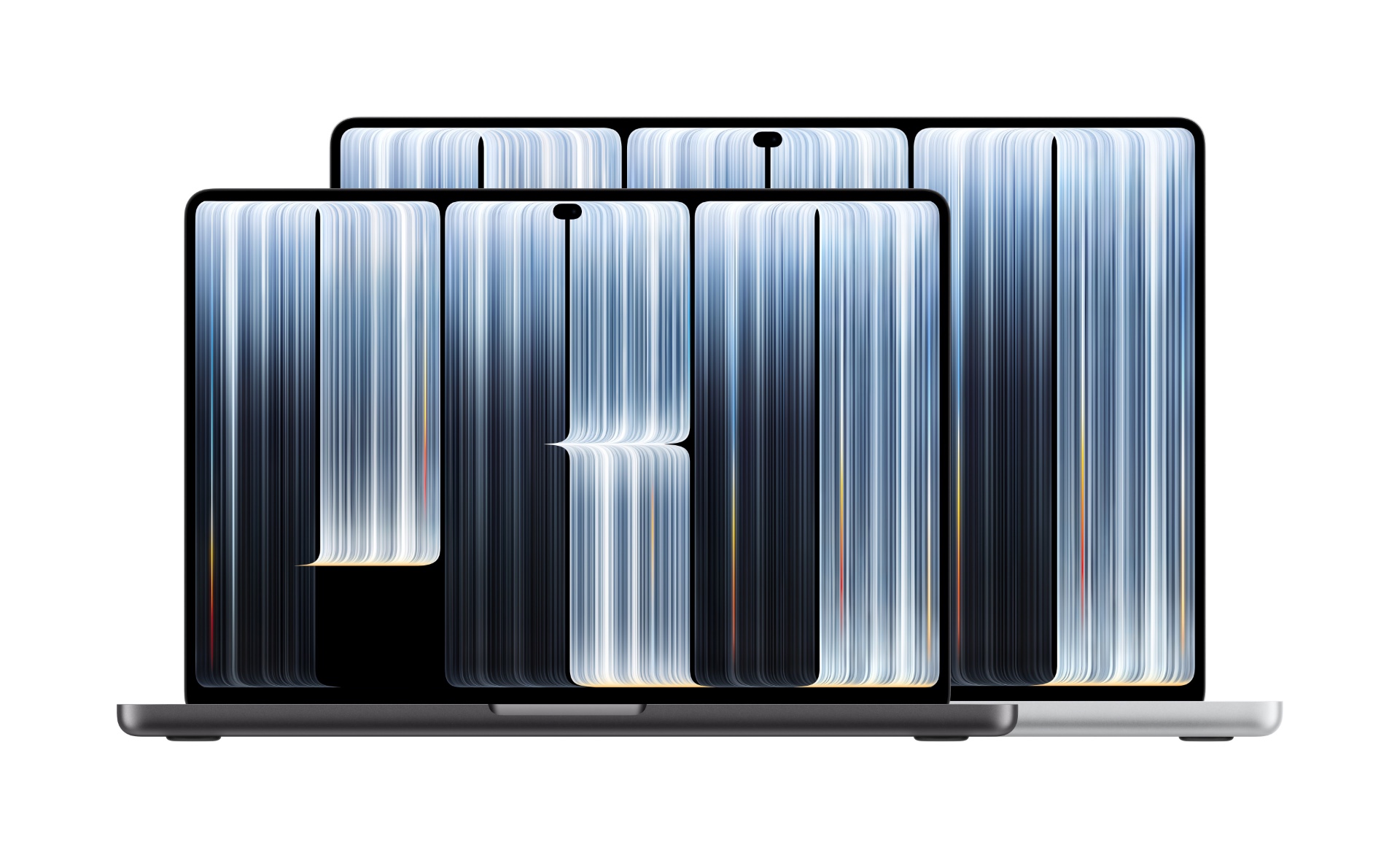
For more than a decade, the late Steve Jobs’s 2010 proclamation that vertical touchscreens on personal computers were "ergonomically terrible" stood as an unassailable dogma within Apple Park. Cupertino’s official corporate stance maintained that desktop operating systems required physical keyboards and trackpads, relegating touch interfaces exclusively to the iPad and iPhone. Today, that foundational wall of hardware philosophy has officially crumbled. Apple’s announcement of its first touchscreen MacBook Pro represents not merely an incremental specification bump, but a profound architectural realignment designed to capture enterprise market share, revitalize consumer replacement cycles, and redefine high-end personal computing.
This comprehensive investigative report examines the catalytic events, supply chain logistics, engineering breakthroughs, and capital market implications surrounding Apple’s boldest product pivot in recent memory. By analyzing the intersection of hardware engineering, corporate strategy, and macroeconomic valuation, we uncover why this release marks a watershed moment for the global technology sector.
The Catalytic Pivot: Why Apple Changed Course
Test Our Free AI & Tech Utilities Suite
Calculate LLM API token costs, analyze article dwell-time, or simulate tech DCA returns.
The decision to integrate touch capabilities into the flagship MacBook Pro lineup did not happen in a vacuum. Over the past twenty-four quarters, Apple’s hardware division faced mounting pressure from enterprise clients and creative professionals who increasingly demanded unified workflows. While competitors in the Windows ecosystem—most notably Microsoft with its Surface lineup and various OEMs with 360-degree hinge designs—offered touch-enabled laptops, Apple’s macOS division maintained a strict division of labor. The iPad Pro handled touch; the MacBook Pro handled precision computation.
However, the mass migration of developers toward universal application frameworks, accelerated by the transition to Apple Silicon (M-series processors), eliminated the technical barriers separating mobile and desktop environments. When Apple introduced Mac Catalyst and enabled iOS apps to run natively on macOS, the absence of a touch interface became an increasingly glaring friction point. Enterprise IT directors managing fleet deployments noted that end-user expectations had fundamentally shifted; younger knowledge workers, raised on mobile-first paradigms, instinctively reached for laptop displays to scroll, pinch, and annotate.
From a risk mitigation standpoint, Apple’s executive leadership recognized that complacency posed a greater threat to valuation multiples than reversing a historical design tenet. With global PC shipments normalizing after pandemic-era surges, driving a super-cycle of enterprise upgrades required a compelling, category-defining catalyst. The touchscreen MacBook Pro provides precisely that.
Engineering the Canvas: Hardware Innovation Meets Ergonomics

Integrating touch into a high-performance workstation without compromising battery life, structural integrity, or display fidelity presented monumental engineering hurdles. According to confidential supply chain disclosures and leaked internal test parameters, Apple’s hardware engineering teams spent over four years refining the underlying display and digitizer architecture.
Traditional touchscreen laptops often suffer from increased panel thickness, unwanted glare, and compromised color accuracy due to the added capacitive touch layer. Apple circumvented these limitations by developing an ultra-thin, in-cell touch panel integrated directly into a bespoke Tandem OLED display matrix. This technological leap not only preserves the MacBook Pro's legendary color calibration and high dynamic range (HDR) brightness, but it also reduces power consumption—a critical metric for maintaining enterprise-grade battery longevity.
Furthermore, the mechanical hinge assembly was entirely re-engineered to withstand the repetitive lateral force of finger touches and Apple Pencil inputs without screen "bounce." By optimizing the damping torque of the hinge, Apple ensured that the display remains rock-solid during intense typing sessions while offering smooth, deliberate resistance when engaged via touch.
Verified Data & Metrics Breakdown Table
To contextualize the technical and financial scope of this release, the following comparative matrix outlines key specifications, market targets, and economic metrics associated with the new touchscreen MacBook Pro:
| Metric / Specification | Previous Generation (M3 MacBook Pro) | New Touchscreen MacBook Pro (M4/M5 Era) | Strategic Impact / Enterprise ROI |
|---|---|---|---|
| Display Technology | Mini-LED Liquid Retina XDR | Tandem OLED with In-Cell Multi-Touch | Enhanced contrast, touch precision, lower power draw. |
| Input Modalities | Keyboard, Force Touch Trackpad | Keyboard, Trackpad, Multi-Touch, Apple Pencil Support | Unifies mobile and desktop workflows; boosts creative productivity. |
| Target Enterprise Replacement Cycle | 48 to 60 Months | 36 to 48 Months | Accelerates capital expenditure renewals for corporate fleets. |
| Estimated Average Selling Price (ASP) | $2,199 Baseline | $2,499 Baseline | Expands hardware gross margin percentages and revenue yields. |
Industry & Market Implications: Winners, Losers, and Economic Ripples
The introduction of a touchscreen MacBook Pro sends immediate shockwaves across the enterprise hardware ecosystem, altering competitive positioning and market liquidity for component suppliers.
Who Wins
- Enterprise IT & Knowledge Workers: Professionals requiring fluid cross-application data manipulation—particularly financial analysts, data scientists, and digital artists—gain a powerful tool that eliminates device-switching fatigue.
- OLED Panel Manufacturers: Suppliers such as Samsung Display and LG Display secure high-margin, long-term supply contracts to fulfill massive initial production runs.
- Software Developers: Independent software vendors (ISVs) who invested in cross-platform UI frameworks can now monetize their applications across a unified, touch-enabled Mac user base.
Who Loses
- Windows OEM Competitors: Dell, HP, and Lenovo lose their primary hardware differentiator. For years, touchscreen capability was the definitive wedge Windows manufacturers used to steer buyers away from macOS. That moat has officially evaporated.
- The Mid-Tier Tablet Market: Devices that sit in the awkward middle ground between traditional laptops and dedicated tablets face immediate obsolescence as users consolidate their hardware requirements into a single, highly capable MacBook Pro.
Frequently Asked Questions (People Also Ask)
Will macOS require a complete redesign to support touch inputs?
Answer: No. Apple has implemented a hybrid interaction model. macOS retains its precision mouse-and-keyboard architecture for power users, while intelligently scaling interface targets (such as menu items, scroll bars, and window controls) when physical touch or Apple Pencil input is detected. This ensures backward compatibility for legacy enterprise software while optimizing usability for touch interactions.
Does the addition of a touchscreen impact battery life or laptop weight?
Answer: Thanks to the integration of energy-efficient Tandem OLED panels and power-optimized Apple Silicon M-series chips, the thermal and power footprint remains virtually identical to previous generations. Furthermore, advanced manufacturing techniques ensure that the physical weight penalty of the touch digitizer is kept under two percent of the total device mass.
Will older MacBook Pro models receive software patches to support third-party touch displays?
Answer: Hardware-level multi-touch requires specialized capacitive digitizer hardware integrated directly into the display assembly. Consequently, legacy MacBook Pro models lacking this specific hardware matrix cannot be upgraded via software updates to support direct screen touch.
How does this release affect enterprise deployment and security compliance?
Answer: The new touchscreen MacBook Pro integrates seamlessly with existing mobile device management (MDM) platforms and Apple Business Manager. Security compliance frameworks—including biometric authentication via Touch ID and secure enclave encryption—remain fully intact, ensuring zero disruption to institutional cybersecurity protocols.
Future Outlook: Milestones to Watch
As Apple ramps up global distribution, industry analysts will closely monitor several critical performance indicators over the coming quarters. First, tracking the enterprise adoption rate will reveal whether corporate procurement departments are willing to absorb a higher average selling price (ASP) in exchange for boosted workforce productivity. Second, developer adoption metrics for touch-optimized desktop applications will signal the long-term health of the macOS ecosystem.
Ultimately, Apple’s calculated reversal on desktop touch interfaces underscores a pragmatic corporate ethos: when technological maturity and consumer demand converge, ideological dogma must yield to market reality. For investors, enterprise leaders, and technology enthusiasts alike, the touchscreen MacBook Pro establishes a new benchmark for premium computing, anchoring Apple’s hardware dominance for the remainder of the decade.