Executive Takeaways
- Mandate for Access: President Donald Trump’s May 19, 2026 executive order instructs the Federal Reserve and principal banking regulators to dismantle barriers granting non-bank financial technology and digital asset firms direct access to master accounts and core payment rails.
- Structural Liquidity Shift: The policy forces a paradigm shift in capital allocation, promising to dramatically compress transaction settlement times, optimize enterprise ROI, and inject unprecedented market liquidity into digital asset ecosystems.
- Regulatory Confrontation: The directive sets up a high-stakes jurisdictional showdown between independent central banking authorities and executive oversight regarding systemic risk mitigation and clearinghouse stability.
WASHINGTON — In a sweeping regulatory intervention that fundamentally redefines the architecture of American finance, President Donald Trump signed a landmark executive order on May 19, 2026, directing the Federal Reserve System and federal banking regulators to overhaul access protocols for core payment rails. Citing the imperative to modernize legacy clearing infrastructure and foster competitive market dynamics, the directive mandates that non-bank fintech innovators, payment processors, and licensed digital asset firms be granted equitable pathways to Federal Reserve master accounts and automated clearinghouse networks.
For decades, the inner sanctum of American banking—the Federal Reserve’s payment rails, including Fedwire and the FedNow instant payment infrastructure—has remained strictly cordoned off behind the fortress walls of federally insured depository institutions. Financial technology startups, stablecoin issuers, and crypto-native enterprises have long been forced to rely on intermediary commercial banks as clearing conduits. This operational bottleneck introduced severe friction, inflated compliance overhead, and concentrated systemic risk within a handful of traditional institutions. Trump’s new executive order aims to systematically dismantle these structural barriers, triggering a massive scramble across Wall Street and Silicon Valley to recalibrate business models, cloud compute architectures, and compliance frameworks.
The Catalytic Shift: Breaking the Legacy Banking Monopoly
The genesis of this executive action lies in years of mounting frustration among technology entrepreneurs and digital asset executives who argued that traditional banks weaponized their gatekeeper status to stifle competition. Under standard operating procedures, non-bank financial institutions seeking Federal Reserve master accounts faced protracted, opaque application processes governed by inconsistent regional Federal Reserve Bank discretion.
The May 19 directive changes the legal and administrative calculus. By instructing the Office of the Comptroller of the Currency (OCC), the Federal Deposit Insurance Corporation ( FDIC), and the Board of Governors of the Federal Reserve System to establish standardized, transparent, and expedited evaluation criteria, the White House has effectively declared that modern payment infrastructure is a public utility essential for economic growth. According to senior administration officials speaking on condition of anonymity, the initiative is designed to cement U.S. dominance in next-generation financial technology, ensuring that capital allocation follows efficiency rather than legacy regulatory fiefdoms.
From an operational standpoint, granting fintechs and crypto firms direct access to Fed rails eliminates the "middleman tax" exacted by intermediary correspondent banks. Transaction settlement times, which currently span hours or days depending on batch-processing schedules, will compress toward instantaneous finality. This structural upgrade promises to unlock monumental enterprise ROI for merchants, institutional trading desks, and cross-border payment providers.
Industry & Market Implications: Who Wins, Who Loses
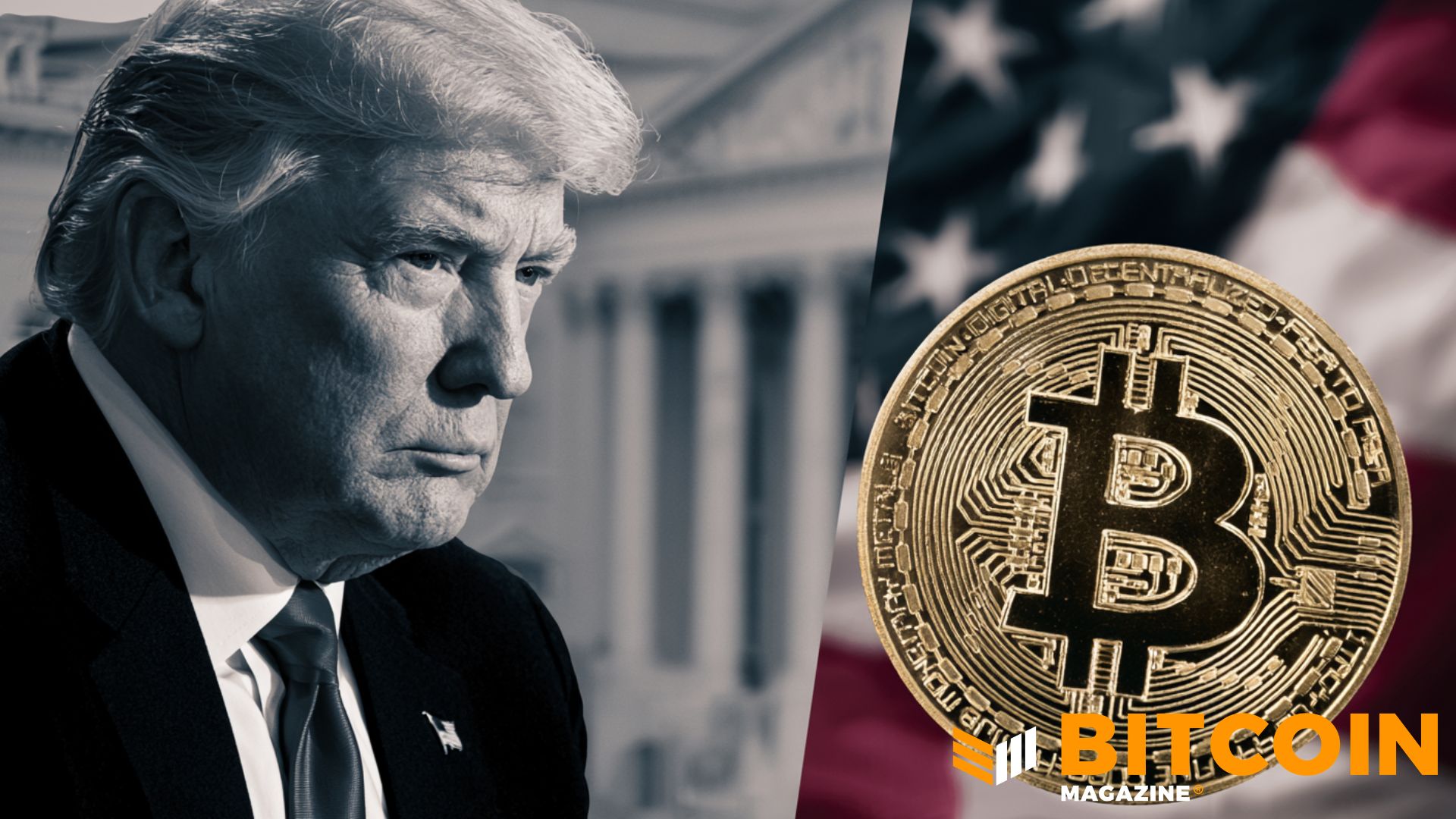
The ramifications of the executive order ripple across multiple sectors of the global economy, creating clear winners and losers as market participants rush to adapt their infrastructure scalability and risk mitigation strategies.
The Winners: Fintech Aggregators and Crypto Infrastructure Providers
Non-bank payment processors, digital wallet providers, and stablecoin issuers stand to gain the most. With direct master account access, these firms can bypass commercial bank partners, drastically reducing counterparty risk and lowering operational costs. Valuation multiples for growth-stage fintechs with robust regulatory compliance programs are expected to re-rate upward as investors price in expanded addressable markets and streamlined monetization avenues.
The Losers: Traditional Correspondent Banks
Large commercial banks that have historically profited from providing custodial and clearing services to fintech and crypto startups face a severe revenue contraction. The "rent" collected on intermediate balance-sheet holding and transaction-routing fees will evaporate as clients migrate directly to Federal Reserve plumbing. Furthermore, traditional lenders will face intensified competition for institutional deposits as alternative financial service providers offer superior yields and velocity.
The Regulatory Balancing Act: Systemic Risk vs. Innovation
Central bankers and risk management executives have raised immediate concerns regarding systemic safety. Opening payment rails to entities that do not maintain traditional retail deposits or operate under identical capital adequacy rules could, critics argue, introduce vulnerabilities into the nation's core clearing mechanisms. The Federal Reserve must now draft a complex rulebook balancing rapid technological integration with rigorous cybersecurity standards and liquidity stress-testing.
Verified Data & Regulatory Metrics Breakdown
| Metric / Parameter | Legacy Framework (Pre-May 2026) | New Executive Directive Impact |
|---|---|---|
| Master Account Access | Discretionary, protracted review by regional Federal Reserve Banks; heavily restricted for non-banks. | Standardized, federally mandated review timelines prioritizing transparent, objective criteria. |
| Settlement Velocity | T+1 to multi-day batch processing via correspondent banking layers. | Real-time settlement capability via direct FedNow and Fedwire integration. |
| Intermediary Cost Burden | High pass-through fees levied by partner depository institutions. | Significantly compressed operational overhead and improved capital efficiency. |
| Compliance & Oversight | Indirect oversight via commercial banking partners (sponsor-bank models). | Direct regulatory accountability under OCC, FDIC, and Federal Reserve supervision. |
Frequently Asked Questions (People Also Ask)
What does the executive order mean for fintech and crypto firms?
The order directs the Federal Reserve and banking regulators to establish clear, non-discriminatory pathways for non-bank financial technology and digital asset companies to obtain direct access to Federal Reserve master accounts and core payment rails like Fedwire and FedNow, eliminating the need to rely on traditional commercial bank intermediaries.
How will direct access to payment rails affect transaction speeds and costs?
By removing intermediary correspondent banks from the clearing chain, firms can leverage real-time settlement infrastructure. This slashes transaction latency from days to seconds, dramatically lowers overhead fees, and enhances overall market liquidity.
Does the Federal Reserve have to comply immediately with the executive order?
While the Federal Reserve operates as an independent central bank, the executive order initiates formal rulemaking and review processes across regulatory agencies. This exerts immense political and administrative pressure on the Fed to align its master account evaluation procedures with the administration's modernization goals.
What are the primary risks associated with opening Fed rails to non-banks?
Critics and central bankers warn that extending direct access to entities outside the traditional federal safety net could increase systemic risk, complicate monetary policy transmission, and present heightened cybersecurity and Anti-Money Laundering (AML) enforcement challenges.
Future Outlook: Milestones and Market Trajectory
As the financial sector digests the sweeping implications of the May 19 directive, attention turns immediately to agency rulemaking timelines. Over the next 90 to 180 days, market participants will monitor the OCC, FDIC, and the Federal Reserve Board for the release of draft regulatory frameworks governing non-bank master account applications.
Enterprise technology teams are already auditing their cloud compute architecture and compliance data pipelines to meet the stringent reporting standards expected by federal examiners. Simultaneously, institutional investors are reallocating capital into specialized fintech infrastructure providers poised to capture market share in a frictionless, direct-access banking environment.
Ultimately, Trump’s executive order marks a Rubicon moment for American monetary plumbing. By fusing traditional central banking infrastructure with the dynamic velocity of fintech and digital assets, the United States is embarking on a high-stakes modernization experiment—one that will permanently alter the competitive dynamics of global finance.