

- Stronger-Than-Expected Expansion: The U.S. economy added 165,000 nonfarm payrolls in October, significantly outperforming consensus Wall Street forecasts and dampening fears of an imminent recession.
- Unemployment Rate Eases: The headline jobless rate ticked down to 4.1%, demonstrating sustained resilience in labor demand despite elevated borrowing costs and restrictive monetary policy.
- Capital Allocation & Valuation Impacts: Surprising macroeconomic resilience forces institutional asset managers and corporate boards to recalibrate enterprise risk mitigation, capital allocation strategies, and valuation multiples.
- Federal Reserve Implications: The robust data print complicates the Federal Reserve's path forward, altering rate-cut trajectories and pressuring debt capital markets.
NEW YORK & WASHINGTON — In a striking demonstration of macroeconomic endurance, the U.S. labor market defied widespread analyst skepticism in October, adding a robust 165,000 jobs while the unemployment rate edged down to 4.1%. The latest employment data, released by the Bureau of Labor Statistics (BLS), easily outpaced the consensus expectations of leading economists surveyed by major financial news terminals, who had projected a more subdued growth figure in the wake of tightening monetary conditions.
For executive leadership teams, corporate treasurers, and institutional investors navigating complex financial environments, this report signals that the domestic economy continues to maintain fundamental velocity. However, this strength introduces a complex set of trade-offs regarding inflation stickiness, long-term interest rate projections, and enterprise operational overhead.
Catalytic Events and the Macroeconomic Background
Test Our Free AI & Tech Utilities Suite
Calculate LLM API token costs, analyze article dwell-time, or simulate tech DCA returns.
The October employment report arrives at a critical juncture for global financial markets. Over the preceding quarters, corporate strategy has been dominated by defensive positioning, margin preservation, and cautious capital allocation. Elevated interest rates, designed to cool persistent inflationary pressures, have traditionally acted as a severe drag on labor demand, particularly within interest-rate-sensitive sectors such as commercial real estate, manufacturing, and venture-backed tech startups.
Yet, the structural dynamics of the post-pandemic labor ecosystem have proven remarkably recalcitrant to traditional cooling mechanisms. Service-sector hiring, healthcare expansion, and targeted public infrastructure investments have acted as primary shock absorbers. As enterprises continue to optimize their cloud compute architecture, accelerate digital transformation, and navigate complex regulatory compliance mandates, demand for specialized human capital remains fundamentally inelastic.
Furthermore, wage growth figures accompanying the October report demonstrated moderate stability, averting the type of runaway wage-price spirals that previously kept central bankers awake at night. This delicate balance—solid job creation paired with non-inflationary wage expansion—has fueled intense debate among institutional economists regarding whether the U.S. economy is achieving a historic soft landing or merely postponing a cyclical reckoning.
Data Deep-Dive: Sectoral Breakdown and Metric Analysis
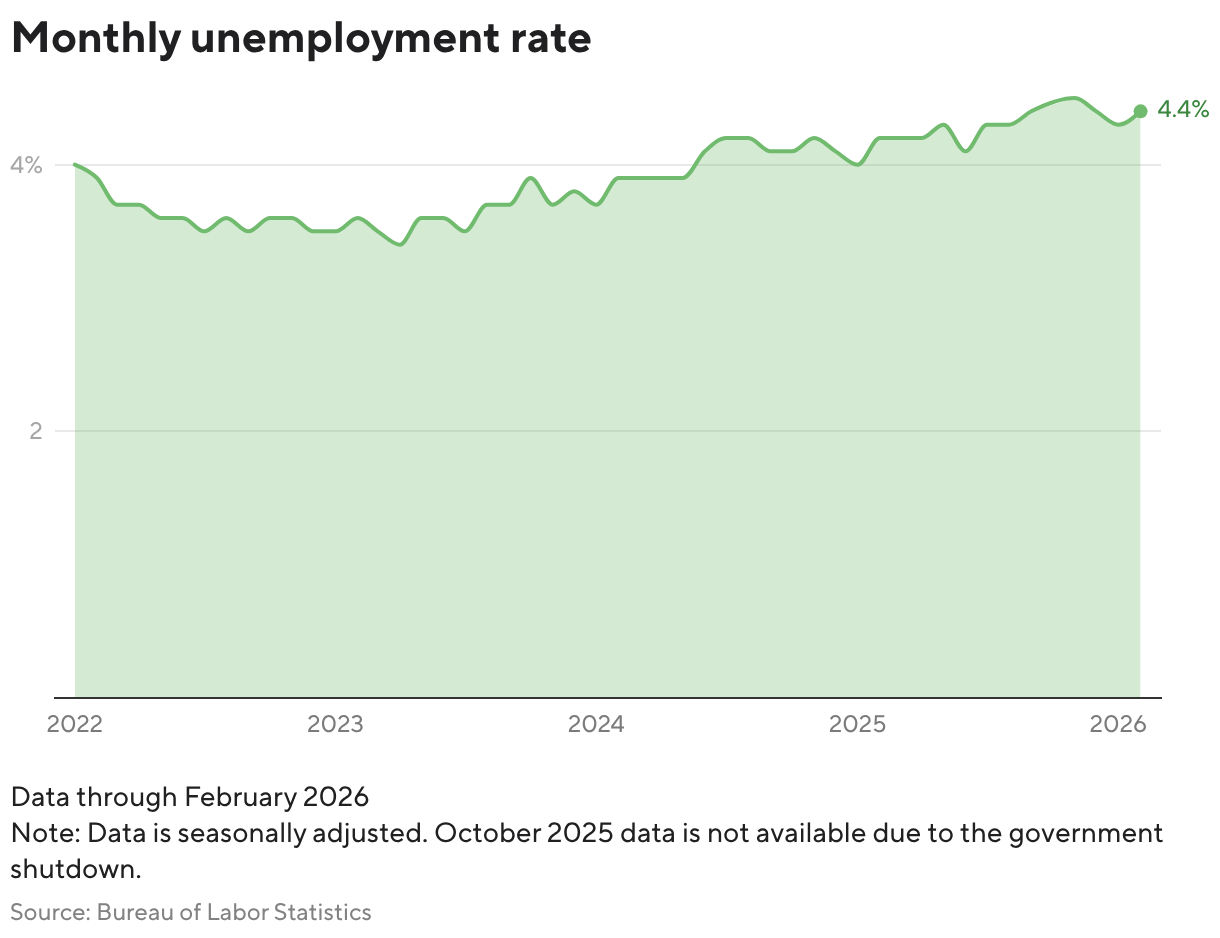
A granular examination of the October payroll report reveals distinct pockets of strength across key industrial verticals. Healthcare, leisure and hospitality, and professional business services led the aggregate gains, while government hiring continued its steady upward trajectory, reflecting prior legislative funding commitments.
To provide institutional investors and market analysts with a comprehensive analytical baseline, the following metrics illustrate the core performance indicators from the latest BLS release compared against historical benchmarks:
| Economic Indicator | October Actual | Wall Street Consensus | Prior Month (Revised) |
|---|---|---|---|
| Nonfarm Payrolls (Change) | +165,000 | +110,000 to +125,000 | +145,000 |
| Unemployment Rate | 4.1% | 4.2% | 4.2% |
| Average Hourly Earnings (YoY) | +3.9% | +3.8% | +4.0% |
| Labor Force Participation Rate | 62.7% | 62.6% | 62.6% |
As detailed in the metrics matrix above, the marginal uptick in labor force participation combined with the drop in the unemployment rate indicates that workers continue to re-enter the active job market, absorbing available positions without triggering immediate inflationary pressure on compensation packages.
Industry & Market Implications: Winners and Losers
The immediate reaction across asset classes underscored the duality of strong economic data in a rate-sensitive environment. Equity markets experienced initial volatility as algorithmic traders and portfolio managers weighed robust corporate revenue backstops against the prospect of a "higher-for-longer" federal funds rate.
Who Wins
Cyclical Equities and Consumer Discretionary: Companies reliant on sustained consumer purchasing power and steady employment baselines found immediate support. Retailers, entertainment conglomerates, and travel operators benefit directly from low consumer job insecurity.
B2B Enterprise Solutions & Cloud Infrastructure Providers: With employment remaining stable, enterprise clients feel more confident maintaining or expanding their technology budgets. Infrastructure scalability investments, enterprise ROI optimization initiatives, and software-as-a-service (SaaS) contract renewals face fewer executive-level cutbacks.
Who Loses
Fixed Income and Bondholders: Treasuries faced downward pricing pressure as yields ticked upward following the release. Yield curves steepened as market participants priced out aggressive near-term monetary easing by the Federal Reserve.
Highly Leveraged Entities: Small-cap firms and corporate borrowers dependent on floating-rate debt facilities face prolonged pressure on debt-service coverage ratios. Higher-for-longer interest rates continue to challenge refinancing schedules for over-leveraged balance sheets.
Frequently Asked Questions (People Also Ask)
What does the October jobs report mean for future Federal Reserve interest rate cuts?
A stronger-than-expected employment report reduces the urgency for the Federal Reserve to aggressively slash interest rates to prevent economic contraction. Because the labor market remains exceptionally resilient and unemployment has dropped to 4.1%, central bankers have more latitude to maintain restrictive monetary policy to ensure inflation fully converges to the 2% target. Consequently, market pricing for upcoming Federal Rate cuts has moderated.
Why did the unemployment rate drop to 4.1% despite high interest rates?
The decline in the unemployment rate is primarily driven by robust employment creation in structural growth sectors like healthcare, education, and professional services, which have largely offset layoffs in interest-sensitive verticals. Additionally, steady labor force participation demonstrates that job seekers are matching effectively with open positions, maintaining structural balance in the employment ecosystem.
How does this job growth impact corporate valuation multiples and equity markets?
For equity markets, the report presents a mixed signal. On one hand, strong job growth confirms that corporate earnings face minimal threat from an immediate consumer recession, supporting top-line revenue forecasts. On the other hand, the threat of prolonged high interest rates exerts downward pressure on valuation multiples, as the discounted cash flow (DCF) models used by institutional investors must account for higher hurdle rates and cost of capital.
Which specific industries contributed most to the October hiring surge?
The primary engines of job creation in October were healthcare and social assistance, leisure and hospitality, professional and business services, and state and local government employment. Technology sectors showed stabilization, shifting away from aggressive workforce reductions toward selective, highly targeted talent acquisition centered on AI deployment and cloud infrastructure engineering.
Future Outlook and Strategic Milestones to Watch
As global financial institutions and corporate strategists look toward the remainder of the fiscal year and budget planning for the next, attention shifts immediately to upcoming macroeconomic catalysts. The interplay between consumer price index (CPI) prints, retail sales data, and forthcoming corporate earnings guidance will dictate whether October's labor strength is a durable plateau or a temporary anomaly.
Chief Financial Officers and corporate boards are advised to focus on three critical strategic milestones over the coming months:
- Federal Reserve FOMC Policy Statements: Monitor forward guidance regarding terminal interest rate expectations and quantitative tightening paces.
- Corporate Margin Resilience: Evaluate quarterly earnings transcripts for commentary on labor cost absorption versus pricing power sustainability.
- Credit Market Liquidity: Track corporate debt issuance spreads and refinancing activity, particularly for mid-market enterprises navigating debt maturity walls.
Ultimately, the October jobs report reaffirms the underlying structural power of the U.S. economy. While market participants must continually adapt to evolving monetary conditions, the ability of the domestic workforce to generate 165,000 new payrolls while driving down unemployment underscores a remarkable capacity for adaptation, operational execution, and long-term enterprise value creation.


