Global Convergence Point: War, Runaway AI, and Climate Shocks Dominate High-Stakes UN General Assembly
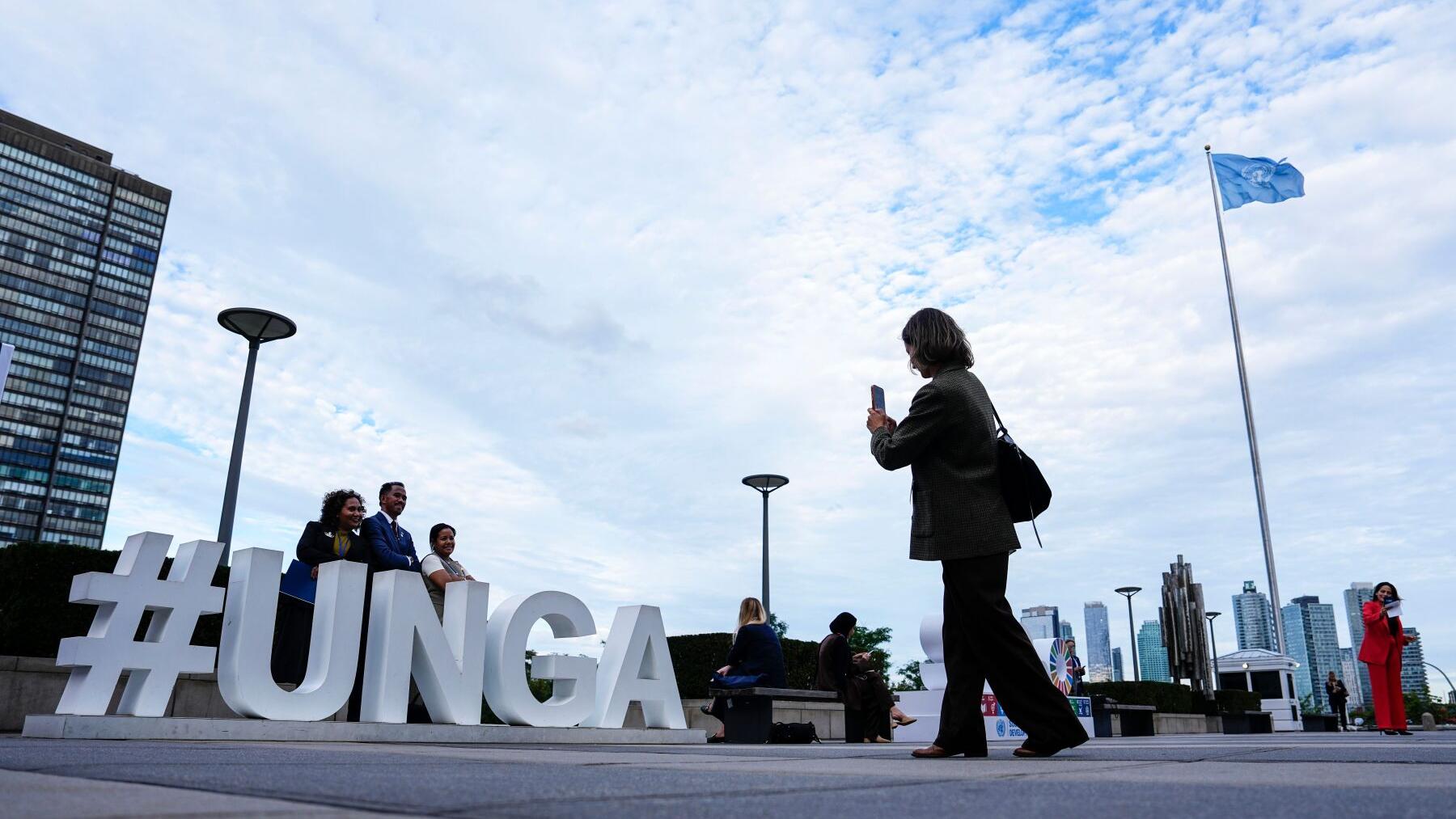
NEW YORK — As heads of state, diplomats, and global economic powerbrokers descend upon the United Nations headquarters in Manhattan, the global agenda faces an unprecedented convergence of existential threats. Moving past traditional geopolitical posturing, this year’s high-level UN gathering is zeroing in on three simultaneous compounding crises: escalating international warfare, the unregulated acceleration of artificial intelligence, and accelerating climate shocks that are already disrupting global supply chains and infrastructure.
The urgency on the ground is palpable. Against a backdrop of domestic travel disruptions—including widespread flight cancellations across the US Northeast due to sudden technical infrastructure glitches—the macro-environment feels fragile. Markets are reacting in real time to shifting political winds, highlighted by fresh reports of potential geopolitical maneuvers, such as Donald Trump preparing targeted moves to challenge the International Criminal Court, alongside ongoing debates over military architectural spending.
The Triple Threat Redefining Global Risk
For institutional investors, corporate executives, and policymakers, the discussions in New York are not merely diplomatic exercises; they are precursors to regulatory shifts, trade realignments, and capital allocation strategies for the decade ahead. The intersection of kinetic conflict, autonomous technological growth, and environmental degradation poses a systemic risk profile unlike any seen since the mid-20th century.
- Geopolitical Fragmentation: Protracted conflicts in Europe and the Middle East are straining global energy corridors, while diplomatic friction threatens to fracture international legal frameworks.
- The AI Governance Vacuum: Runaway artificial intelligence development has outpaced legislative guardrails, prompting urgent calls from tech pioneers and regulators for binding global treaties to mitigate catastrophic risks.
- Economic Toll of Climate Shocks: Extreme weather events—underscored by Hurricane Polo rapidly intensifying in open waters—are directly threatening maritime trade, agricultural yields, and physical infrastructure.
Financial markets have begun pricing in the volatility associated with these converging pressures. Commodities, defense equities, and green energy transition funds are experiencing heightened sensitivity as UN delegates debate binding resolutions and emergency response frameworks.
Infrastructure Vulnerability and Technological Fragility
The fragility of modern interconnected systems was underscored domestically as travelers faced severe delays across the US Northeast following abrupt technical failures at major aviation hubs. While domestic air traffic issues are frequently operational, security analysts at the summit are framing them as cautionary tales regarding the broader systemic vulnerabilities tied to aging infrastructure meeting advanced, yet brittle, digital systems.
This technological anxiety bleeds directly into the debate over artificial intelligence. As nations vie for technological supremacy, the absence of a unified regulatory framework for military and commercial AI has sparked deep divisions. Developing nations express alarm over algorithmic bias and economic displacement, while major powers race to deploy autonomous systems without fully understanding the long-term stabilization impacts.
| Crisis Sector | Primary Catalyst | Market & Economic Impact |
|---|---|---|
| Global Conflict | State-level hostilities & shifting legal frameworks (e.g., ICC challenges) | Defense sector inflows, supply chain rerouting, and energy price volatility. |
| Runaway AI | Unchecked autonomous model deployment and lack of global treaties | Regulatory compliance pressures, cybersecurity spending surges, labor market shifts. |
| Climate Shocks | Rapidly intensifying weather systems (e.g., Hurricane Polo) | Agricultural commodity spikes, insurance sector re-evaluations, infrastructure capex. |
Political Posturing and Institutional Challenges
Compounding the structural crises is a shifting political landscape within major Western democracies. Reports detailing potential future policies from former US leadership—including strategies to challenge international war crimes tribunals and proposals for high-profile national defense projects—have injected an extra layer of unpredictability into UN multilateral negotiations.
Many traditional allies are privately expressing concern over the durability of post-WWII international institutions. When foundational legal bodies face political pushback from major superpowers, the capacity of the United Nations to enforce consensus on climate targets, AI safety standards, and humanitarian law diminishes significantly.
"We are witnessing the strain on the seams of the post-war international order," noted one senior European diplomat speaking on condition of anonymity. "You cannot address a runaway planetary temperature rise or autonomous weapons systems with mid-20th-century institutional toolkits."
What Lies Ahead for Markets and Policy
As the high-level debate sessions progress through the week, attention will pivot toward actionable commitments. Corporations are advised to stress-test their supply chains against both physical climate disruptions—such as intensifying tropical storms threatening coastal logistics—and sudden regulatory changes stemming from AI and defense policy shifts.
Ultimately, the UN summit serves as a stark barometer of current global stability. The convergence of war, artificial intelligence, and climate change is no longer a distant theoretical scenario; it is the baseline operational reality defining the immediate global economic and political horizon.
Frequently Asked Questions
Why are these three specific issues—war, AI, and climate—dominating the UN agenda simultaneously?
These issues are deeply interconnected. Climate shocks displace populations and trigger resource scarcity, which frequently exacerbates geopolitical conflict. Concurrently, artificial intelligence is increasingly being integrated into both military operations and climate modeling, creating an urgent need for cross-sectoral governance before these technologies and pressures spiral out of control.
How are financial markets reacting to the developments at the UN General Assembly?
Institutional investors are closely monitoring the summit for regulatory signals. Sectors tied to defense, cybersecurity, renewable energy, and agricultural commodities are experiencing heightened volatility as global leaders debate policy interventions, trade restrictions, and emergency climate funding mechanisms.