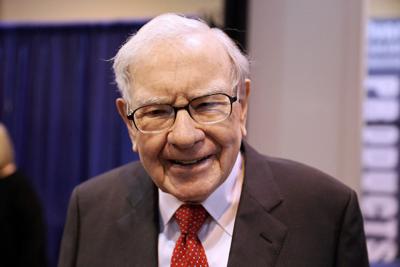
The End of an Era: Warren Buffett Steps Down as Berkshire Hathaway Chairman, Son Howard Succeeds
OMAHA, Neb. — In a monumental pivot that marks the definitive closing chapter of modern capitalism’s golden age, Warren Buffett has officially stepped down as chairman of Berkshire Hathaway. The "Oracle of Omaha," who has steered the sprawling conglomerate since 1970, leaves behind an unmatched legacy of long-term value investing, economic resilience, and unshakeable market wisdom.
Succeeding the 94-year-old investing legend is his son, Howard Buffett, who steps into the role immediately. While the transition has been carefully orchestrated for years as part of Berkshire’s rigorous succession planning, the formal departure of the world’s most famous investor sends shockwaves through Wall Street, Main Street, and global financial markets alike.
Passing the Torch: Inside the Historic Succession
For more than half a century, Warren Buffett has been synonymous with Berkshire Hathaway. Under his stewardship, a struggling textile mill in Massachusetts was transformed into a multi-hundred-billion-dollar holding company encompassing insurance, railroading, energy, retail, and massive stakes in blue-chip equities like Apple, American Express, and Coca-Cola.
Howard Buffett, who has served on Berkshire’s board for decades and acted as the designated guardian of the company’s corporate culture, assumes leadership at a time of profound economic complexity. Unlike his father, who built his reputation on folksy wisdom and standalone stock-picking, Howard’s primary mandate will be preserving the decentralized operational structure and unique ethical framework that has defined Berkshire.
- The End of an Epoch: Warren Buffett relinquishes the chairman title held continuously for over five decades.
- Continuity Assured: Howard Buffett ascends to the chairmanship, guaranteeing institutional stability and adherence to core value-investing principles.
- Market Reaction: Institutional investors have long priced in the succession, though emotional ripples across global trading desks remain palpable.
- Future Strategy: The conglomerate continues to sit on a historic cash pile, waiting for the right large-scale deployment opportunities.
The Berkshire Empire at a Glance

To understand the magnitude of this transition, one must examine the sheer financial scale of the enterprise Warren Buffett built. The following data highlights Berkshire Hathaway's core structural metrics at the time of the leadership handoff:
| Metric / Indicator | Data Point | Strategic Significance |
|---|---|---|
| Tenure as Chairman | 1970 – Present (54+ years) | Represents one of the longest continuous leadership runs in corporate history. |
| Successor | Howard Buffett | Ensures cultural continuity and protection of long-term shareholder ethos. |
| Core Holdings | Insurance, Energy, Rail, Equities | A diversified macroeconomic proxy for the broader American economy. |
| Cash Reserves | Historic Multi-Billion Cache | Provides immense dry powder for future economic downturns or acquisitions. |
What This Means for Wall Street and Shareholders
Market analysts and institutional shareholders have spent years gaming out life "after Warren." Because Greg Abel remains positioned to manage Berkshire’s vast operating businesses and investment managers Todd Combs and Ted Weschler oversee portions of the equity portfolio, Howard Buffett’s role as chairman is seen primarily as a guardian of governance rather than a hands-on portfolio manager.
"Warren Buffett didn't just build a company; he built an institution backed by a distinct philosophy of patience and rational thinking," noted a senior portfolio manager at a major New York asset management firm. "Howard’s ascension ensures that the institutional immune system of Berkshire Hathaway remains intact. The culture is the moat."
Challenges Ahead for the New Leadership
Despite its legendary status, Berkshire Hathaway faces unique contemporary challenges. The sheer size of the conglomerate makes finding high-return acquisition targets increasingly difficult. Furthermore, global macroeconomic headwinds, shifting regulatory landscapes, and the rapid rise of technology-driven markets will test the next generation of leadership.
Yet, the foundational tenets laid down by Warren Buffett—focusing on intrinsic value, maintaining a fortress balance sheet, and exercising extreme fiscal discipline—remain deeply embedded in Berkshire's corporate DNA.
Frequently Asked Questions
1. Does Warren Buffett still retain any role at Berkshire Hathaway?
While Warren Buffett has stepped down as chairman, the details of his ongoing advisory or director roles are unfolding as Berkshire management releases official regulatory filings. His overarching influence, however, remains forever baked into the company's framework.
2. Who is Howard Buffett and what is his background?
Howard Buffett is an American businessman, philanthropist, and conservationist. He has served on Berkshire Hathaway's board of directors for years and has long been designated to protect the corporate culture and ethical standards established by his father, ensuring a seamless governance transition.

:max_bytes(150000):strip_icc()/GettyImages-2295150353-20570f3ab41c46c2a6a7c08cf9a9786c.jpg)